
Atlantic Southwest Europe (1060–1071 CE): Ferdinand I’s …
Years: 1060 - 1071
Atlantic Southwest Europe (1060–1071 CE): Ferdinand I’s Legacy, Navarre’s Instability, and Portuguese Foundations
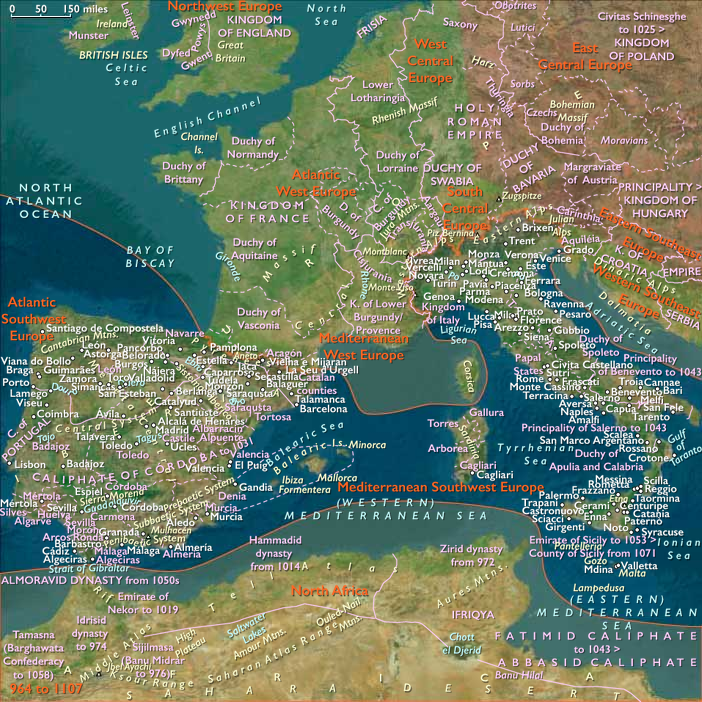
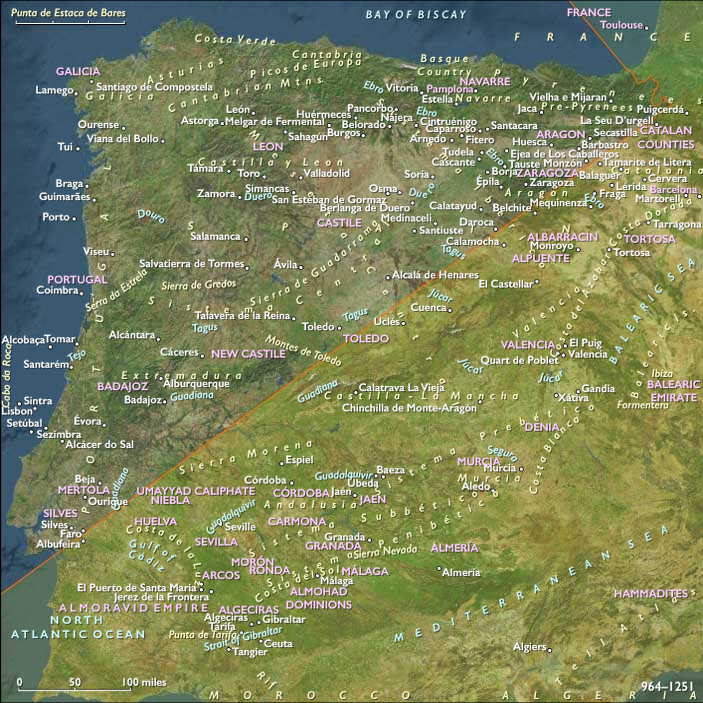
Between 1060 and 1071 CE, Atlantic Southwest Europe—including Galicia, northern and central Portugal, Asturias, Cantabria, and northern Spain south of the Franco-Spanish border (43.05548° N, 1.22924° W)—entered a decisive era characterized by significant political realignments, regional rivalry, and continued cultural flourishing. Under Ferdinand I of León and Castile (1037–1065 CE), the unified kingdom reached its zenith, but Ferdinand’s death in 1065 initiated a complex division of territories among his sons, resulting in intensified fragmentation and rivalry. Navarre, under Sancho IV Garcés (1054–1076 CE), grappled with internal instability and external pressures, diminishing its earlier prominence. Simultaneously, the County of Portugal maintained steady regional autonomy under the capable governance of the Mendes dynasty, continuing to lay firm foundations for future sovereignty. Collectively, these developments significantly shaped regional identities, political dynamics, and economic trajectories.
Political and Military Developments
Ferdinand I’s Peak and Fragmentation (1065 CE)
Under Ferdinand I, León-Castile enjoyed political stability, robust frontier defense, and territorial prosperity. Upon Ferdinand’s death in 1065, his expansive territories were divided among his sons: Sancho II received Castile, Alfonso VI inherited León, and García II received Galicia (including much of northern Portugal). This territorial division immediately intensified rivalry and instability, profoundly reshaping regional power dynamics and governance structures.
Rivalries Among Ferdinand’s Sons
The division triggered fierce competition, notably between Sancho II of Castile (1065–1072 CE) and Alfonso VI of León (1065–1109 CE), with Galicia and northern Portugal under García II caught amid these struggles. Rivalries would significantly shape subsequent political conflicts, alliances, and territorial realignments across Iberia.
Navarre’s Internal Instability and External Pressures
Under Sancho IV Garcés, Navarre faced considerable internal instability, aristocratic dissent, and external threats from neighboring Castile and Aragón. Its regional influence diminished, though careful diplomatic efforts preserved internal cohesion and autonomy, albeit weakened by political uncertainties and territorial encroachments.
Portuguese Regional Stability
Amid regional tensions, the County of Portugal continued to experience consistent stability, cohesion, and effective local governance under descendants of the Mendes family. Their capable frontier management, administrative autonomy, and internal stability significantly strengthened regional identity and cohesion, decisively shaping future Portuguese sovereignty.
Economic Developments
Sustained Economic Prosperity
Despite political fragmentation and rivalries, Atlantic Southwest Europe’s economy remained resilient, supported by robust villa-based agriculture (grain, vineyards, olives), livestock farming, artisanal production, and mining activities—especially gold and silver extraction in Galicia and Asturias. Economic stability significantly mitigated the disruptive effects of regional instability.
Maritime Trade and Pilgrimage Commerce
Coastal settlements, notably Bracara Augusta (Braga), along with smaller northern Portuguese ports, maintained flourishing maritime commerce, reinforcing steady economic connections with Atlantic and Mediterranean markets. Overland trade along pilgrimage routes to Santiago de Compostela further stimulated economic vitality, reinforcing regional prosperity and resilience.
Cultural and Religious Developments
Santiago de Compostela’s Continued Growth
Pilgrimage to Santiago de Compostela remained robust, strengthening Galicia’s economic, spiritual, and cultural prominence across Europe. Pilgrimage routes continued fostering vibrant cultural exchanges, religious devotion, and economic prosperity, significantly reinforcing regional identity and cohesion.
Ecclesiastical Leadership and Community Stability
Influential bishoprics—especially Braga, Lugo, Asturica Augusta, and Santiago de Compostela—provided crucial governance, moral leadership, and educational direction, significantly facilitating community stability and regional resilience amid political fragmentation.
Monastic Scholarship and Cultural Continuity
Monastic communities continued actively promoting scholarly preservation, manuscript production, agricultural innovation, and education, significantly maintaining regional intellectual vibrancy, cultural continuity, and social resilience.
Continued Cultural Syncretism
Integration of orthodox Christianity with local Celtic and Iberian traditions persisted strongly, particularly in rural Galicia, Asturias, and northern Portugal, reinforcing regional distinctiveness and cultural resilience during a period of heightened political instability.
Civic Identity and Governance
Fragmentation and Localized Autonomy
Ferdinand I’s territorial division reinforced local autonomy yet triggered intensified rivalries, significantly reshaping regional governance structures and civic identities. Local aristocracies and communities increasingly navigated autonomy amid instability, profoundly influencing regional civic identities and governance.
Navarre’s Declining Stability
Navarre experienced weakened central governance under Sancho IV Garcés amid internal dissent and external pressures. Yet, its resilient local autonomy and diplomatic caution maintained regional coherence, preserving Basque political identity despite challenging conditions.
Portuguese Regional Cohesion
Under the Mendes dynasty’s leadership, the County of Portugal continued strengthening regional autonomy, territorial stability, and local governance cohesion, significantly shaping civic identity and establishing firm foundations for future national sovereignty.
Notable Tribal Groups and Settlements
-
Astures and Cantabri: Continued providing critical frontier security, local governance, and regional cohesion amid broader León-Castile rivalry and fragmentation.
-
Galicians and Lusitanians: Significantly contributed to regional economic prosperity, cultural resilience, and localized governance stability, particularly supporting Santiago’s pilgrimage tradition and Portuguese territorial integrity.
-
Basques (Navarre): Maintained clear territorial identity and political autonomy despite increasing external pressures and internal dissent, decisively shaping regional governance stability and cultural continuity.
Long-Term Significance and Legacy
Between 1060 and 1071 CE, Atlantic Southwest Europe:
-
Experienced crucial political fragmentation following Ferdinand I’s territorial division, significantly reshaping regional rivalries, alliances, and governance structures.
-
Witnessed intensified rivalry among León, Castile, and Galicia, setting the stage for future political conflicts and territorial consolidations.
-
Sustained Navarre’s autonomy despite internal and external challenges, preserving regional identity amid shifting power dynamics.
-
Further solidified Portuguese regional autonomy and identity, significantly influencing Portugal’s future national emergence.
-
Maintained robust economic resilience, vibrant cultural traditions, ecclesiastical authority, and pilgrimage activity, decisively shaping medieval regional trajectory.
This formative era significantly influenced political structures, regional identities, economic stability, and cultural resilience, profoundly shaping Atlantic Southwest Europe's long-term medieval trajectory and historical legacy.
People
- Alfonso VI of León and Castile
- Ferdinand I of León and Castile
- García II of Galicia
- Sancho II of León and Castile
- Sancho IV Garcés
Groups
- Polytheism (“paganism”)
- Lusitanians, or Lusitani
- Gallaeci
- Cantabri (Celtic tribe)
- Astures (Celtic tribe)
- Moors
- Galicia, Kingdom of
- Christianity, Chalcedonian
- Islam
- al-Andalus (Andalusia), Muslim-ruled
- Navarre, Kingdom of
- Basque people
- Portugal, (first) County of
- Abbasid Caliphate (Baghdad)
- León, Kingdom of
- Córdoba, (Umayyad) Caliphate of
- Castile, Kingdom of
Topics
Commodoties
- Fish and game
- Weapons
- Oils, gums, resins, and waxes
- Grains and produce
- Fibers
- Textiles
- Ceramics
- Strategic metals
- Salt
- Beer, wine, and spirits
- Lumber
Subjects
- Commerce
- Architecture
- Engineering
- Labor and Service
- Conflict
- Mayhem
- Faith
- Government
- Scholarship
- Custom and Law
- Technology
- religious movement
Regions
Subregions
Years: 1060 - 1071
People
- Alfonso VI of León and Castile
- Ferdinand I of León and Castile
- García II of Galicia
- Sancho II of León and Castile
- Sancho IV Garcés
Groups
- Polytheism (“paganism”)
- Lusitanians, or Lusitani
- Gallaeci
- Cantabri (Celtic tribe)
- Astures (Celtic tribe)
- Moors
- Galicia, Kingdom of
- Christianity, Chalcedonian
- Islam
- al-Andalus (Andalusia), Muslim-ruled
- Navarre, Kingdom of
- Basque people
- Portugal, (first) County of
- Abbasid Caliphate (Baghdad)
- León, Kingdom of
- Córdoba, (Umayyad) Caliphate of
- Castile, Kingdom of
Topics
Commodoties
- Fish and game
- Weapons
- Oils, gums, resins, and waxes
- Grains and produce
- Fibers
- Textiles
- Ceramics
- Strategic metals
- Salt
- Beer, wine, and spirits
- Lumber
Subjects
- Commerce
- Architecture
- Engineering
- Labor and Service
- Conflict
- Mayhem
- Faith
- Government
- Scholarship
- Custom and Law
- Technology
- religious movement
Regions
Subregions