
Filters:
The Treaty of Mantes: Philip II and …
Years: 1193 - 1193
July
The Treaty of Mantes: Philip II and Richard’s Ministers Reach a Settlement (July 9, 1193)
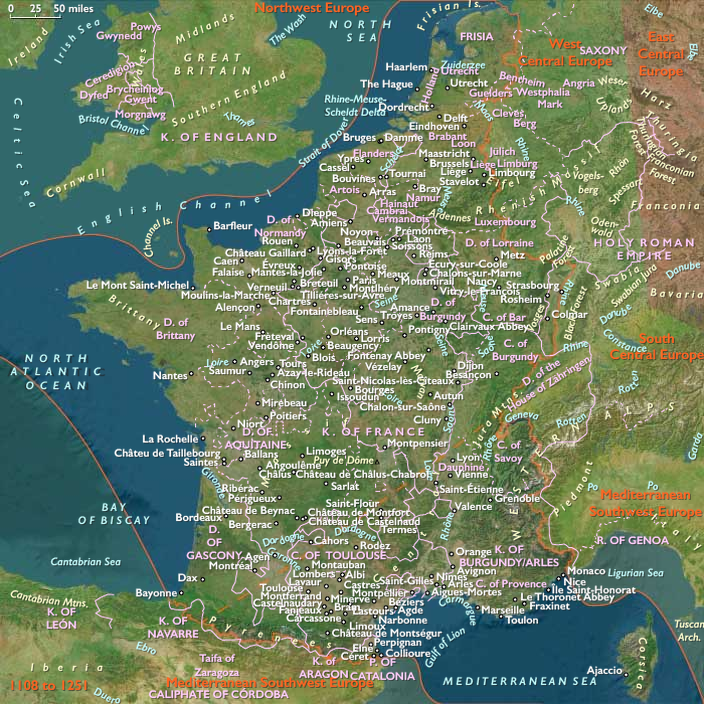
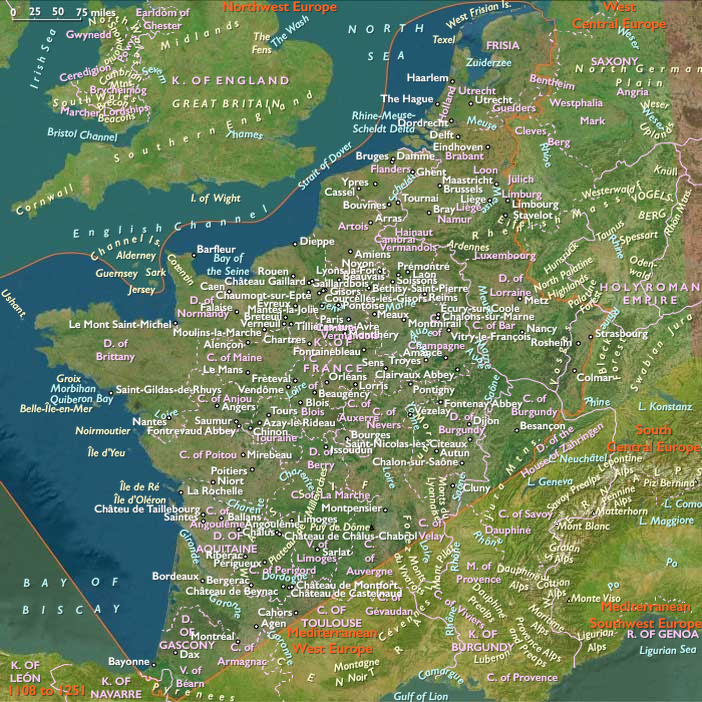
As Philip II of France continued his campaign in Normandy during Richard I’s captivity, he made significant territorial gains. However, rather than pushing further, Philip agreed to negotiate with Richard’s ministers, leading to the Treaty of Mantes on July 9, 1193.
Terms of the Treaty of Mantes
-
Philip Retains His Conquests
- The treaty recognized Philip’s territorial gains in Normandy, allowing him to keep the lands he had seized.
-
Further Concessions to Philip
- In addition to his existing gains, Philip was granted extra territories, further expanding Capetian influence at the expense of the Angevin Empire.
-
Philip Agrees to Halt Aggression in Normandy
- In exchange for these territorial benefits, Philip pledged to cease further attacks on Normandy, bringing temporary stability to the region.
-
The Conditional Return of Captured Lands
- Philip agreed to hand back captured lands to Richard under one condition—
- Richard must pay homage to Philip, recognizing him as his overlord for his lands in France.
Significance of the Treaty
- Philip capitalized on Richard’s absence, expanding his territory without having to engage in prolonged warfare.
- The condition requiring Richard’s homage reinforced Philip’s position as the feudal overlord of the Angevin lands, a longstanding Capetian ambition.
- The agreement bought Philip time to consolidate his new holdings while awaiting Richard’s release from captivity.
Despite its temporary nature, the Treaty of Mantes strengthened Philip’s position in France, furthering his strategy of weakening Angevin control while positioning himself as the dominant ruler in Western Europe.
Locations
People
Groups
- Jews
- Anjou, County of
- Normandy, Duchy of
- Brittanny, Duchy of
- Normans
- French people (Latins)
- Aquitaine, (Angevin) Duchy of
- France, (Capetian) Kingdom of
- Christians, Roman Catholic
- English people
- Anglo-Normans
Commodoties
Subjects
Regions
Subregions
Years: 1193 - 1193
July
Locations
People
Groups
- Jews
- Anjou, County of
- Normandy, Duchy of
- Brittanny, Duchy of
- Normans
- French people (Latins)
- Aquitaine, (Angevin) Duchy of
- France, (Capetian) Kingdom of
- Christians, Roman Catholic
- English people
- Anglo-Normans
Commodoties
Subjects
Regions
Subregions