
East Central Europe (1060–1071 CE): Hungarian Succession …
Years: 1060 - 1071
East Central Europe (1060–1071 CE): Hungarian Succession Conflicts, Polish Stabilization under Bolesław II, and Přemyslid Authority under Vratislaus II
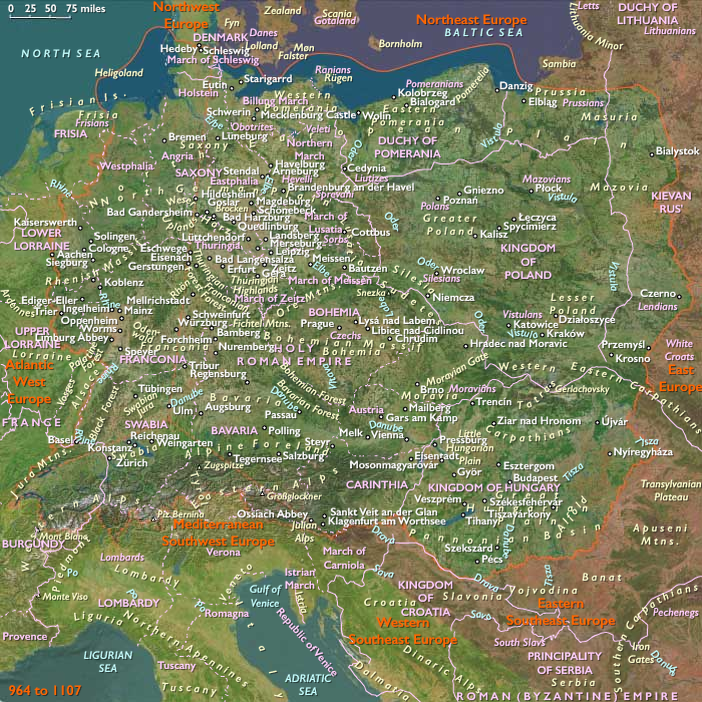
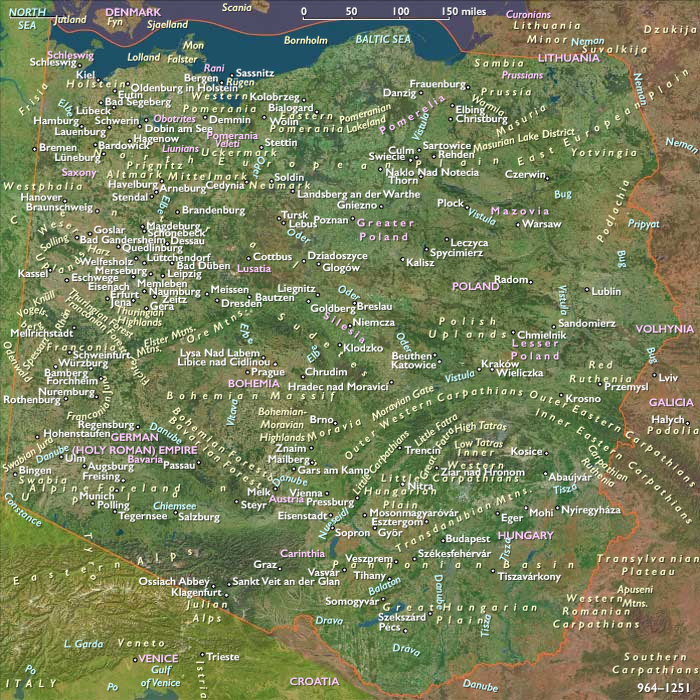
Between 1060 and 1071 CE, East Central Europe—covering present-day Poland, Czechia, Slovakia, Hungary, and eastern parts of Germany and Austria east of 10°E and north of the defined southeastern boundary—underwent significant political transformations driven by dynastic conflicts, territorial consolidations, and deepening regional interactions. Hungary experienced serious internal succession crises following King Andrew I’s death, while Bolesław II stabilized and expanded Polish power. In Bohemia, Vratislaus II strengthened Přemyslid authority, solidifying Bohemia’s political influence in alignment with imperial interests. These developments profoundly reshaped the medieval political landscape and regional stability.
Political and Military Developments
Hungarian Succession Conflict and Internal Strife
-
After the death of King Andrew I (1060), Hungary descended into a prolonged dynastic conflict between Andrew’s sons, Solomon (r. 1063–1074), supported by the Holy Roman Empire, and his rival Béla I (r. 1060–1063). This internal turmoil destabilized Hungary and involved neighboring powers, temporarily weakening royal authority.
Polish Consolidation and Expansion under Bolesław II
-
In Poland, Bolesław II "the Bold" (r. 1058–1079) strengthened central authority, expanded Polish territorial influence into parts of Ukraine and the Baltics, and reinforced royal power through strong diplomatic alliances and strategic military campaigns.
Přemyslid Power under Vratislaus II in Bohemia
-
Duke Vratislaus II of Bohemia (r. 1061–1092) consolidated Přemyslid authority, skillfully navigating imperial politics, maintaining close relations with the Holy Roman Empire, and securing greater autonomy and political stability for Bohemia within the broader regional landscape.
Imperial Influence under Henry IV
-
Holy Roman Emperor Henry IV (r. 1056–1106) actively intervened in East Central European dynastic disputes, supporting Solomon in Hungary and strengthening relations with Vratislaus II in Bohemia, reinforcing imperial influence throughout the region.
Economic and Technological Developments
Stability and Growth of Regional Trade
-
Despite dynastic conflicts, Bohemia and Poland experienced sustained economic prosperity. Trade networks flourished, exchanging goods such as precious metals, amber, textiles, and agricultural products, linking East Central Europe firmly with broader European commerce.
Continued Urban Development and Fortifications
-
Towns in Poland (Kraków, Gniezno), Hungary (Esztergom, Székesfehérvár), and Bohemia (Prague) continued to expand and reinforce their urban fortifications, administrative structures, and market facilities, enhancing security, commerce, and governance.
Cultural and Artistic Developments
Polish Ecclesiastical Patronage under Bolesław II
-
Bolesław II actively promoted religious and cultural patronage, supporting monastic foundations, cathedral constructions, and artistic projects that significantly enriched Polish cultural and religious life, further integrating Poland into European cultural traditions.
Hungarian Cultural Continuity Amid Succession Crisis
-
Despite internal instability, Hungary maintained its ecclesiastical institutions, royal traditions, and cultural heritage. Ecclesiastical centers continued their scholarly and cultural activities, preserving Hungary’s Christian identity and traditions.
Bohemian Artistic Flourishing under Vratislaus II
-
Under Vratislaus II, Bohemia experienced significant cultural patronage, exemplified by cathedral expansions, illuminated manuscripts, and monastic institutions, reinforcing Prague’s role as a vibrant cultural and religious hub.
Settlement and Urban Development
Polish Urban Expansion and Royal Patronage
-
Bolesław II significantly expanded urban centers like Kraków and Gniezno, strengthening their roles as political, ecclesiastical, and economic centers, promoting urban prosperity and administrative effectiveness.
Hungarian Administrative Centers Amid Conflict
-
Despite succession disputes, Hungarian urban centers such as Esztergom and Székesfehérvár remained crucial royal, ecclesiastical, and commercial hubs, sustaining urban growth and administrative coherence.
Bohemian Urban Growth and Infrastructure
-
Under Vratislaus II, Prague and other Bohemian towns saw notable urban expansion, fortification improvements, and infrastructure development, solidifying Bohemia’s administrative cohesion and economic vitality.
Social and Religious Developments
Strengthening of Christian Institutions
-
Christianity solidified its dominant role in Poland, Hungary, and Bohemia, shaping societal governance, educational systems, and cultural identities. Ecclesiastical structures reinforced regional cohesion amid political uncertainty.
Aristocratic Consolidation and Dynastic Authority
-
Dynastic and aristocratic structures further strengthened throughout the region, clearly defining social hierarchies, political authority, and governance models crucial for medieval societal stability and administrative efficiency.
Long-Term Consequences and Historical Significance
The era 1060–1071 CE significantly impacted East Central Europe’s historical trajectory. Hungary’s succession crisis demonstrated the fragility of dynastic stability, while Poland under Bolesław II experienced renewed political strength and territorial expansion. In Bohemia, Vratislaus II solidified Přemyslid authority and regional influence. These developments reshaped regional politics, cultural identities, and economic structures, laying essential foundations for the enduring medieval kingdoms and states of East Central Europe.
People
- Andrew I of Hungary
- Boleslaw II the Generous
- Béla I of Hungary
- Henry IV, Holy Roman Emperor
- Solomon
- Vratislaus II of Bohemia
Groups
- Polytheism (“paganism”)
- Franks
- Saxons
- Germans
- Hungarian people
- Wends, or Sorbs (West Slavs)
- Christianity, Chalcedonian
- Bavarians (West Germanic tribe)
- Polans, Western (West Slavic tribe)
- Thuringia, Duchy of
- Carantania
- Carantanians
- Saxony, Duchy of
- Bohemia, Duchy of
- Bavaria, Ottonian Duchy of
- Holy Roman Empire
- German, or Ottonian (Roman) Empire
- Germany, Kingdom of (within the Holy Roman Empire)
- Austria, Margravate of
- Carinthia, Duchy of
- Hungary, Kingdom of
- Poland of the first Piasts, Kingdom of
Commodoties
Subjects
Regions
Subregions
Years: 1060 - 1071
People
- Andrew I of Hungary
- Boleslaw II the Generous
- Béla I of Hungary
- Henry IV, Holy Roman Emperor
- Solomon
- Vratislaus II of Bohemia
Groups
- Polytheism (“paganism”)
- Franks
- Saxons
- Germans
- Hungarian people
- Wends, or Sorbs (West Slavs)
- Christianity, Chalcedonian
- Bavarians (West Germanic tribe)
- Polans, Western (West Slavic tribe)
- Thuringia, Duchy of
- Carantania
- Carantanians
- Saxony, Duchy of
- Bohemia, Duchy of
- Bavaria, Ottonian Duchy of
- Holy Roman Empire
- German, or Ottonian (Roman) Empire
- Germany, Kingdom of (within the Holy Roman Empire)
- Austria, Margravate of
- Carinthia, Duchy of
- Hungary, Kingdom of
- Poland of the first Piasts, Kingdom of
Commodoties
Subjects
Regions
Subregions