
Saint Petersburg, having become alarmed at its …
Years: 1892 - 1892
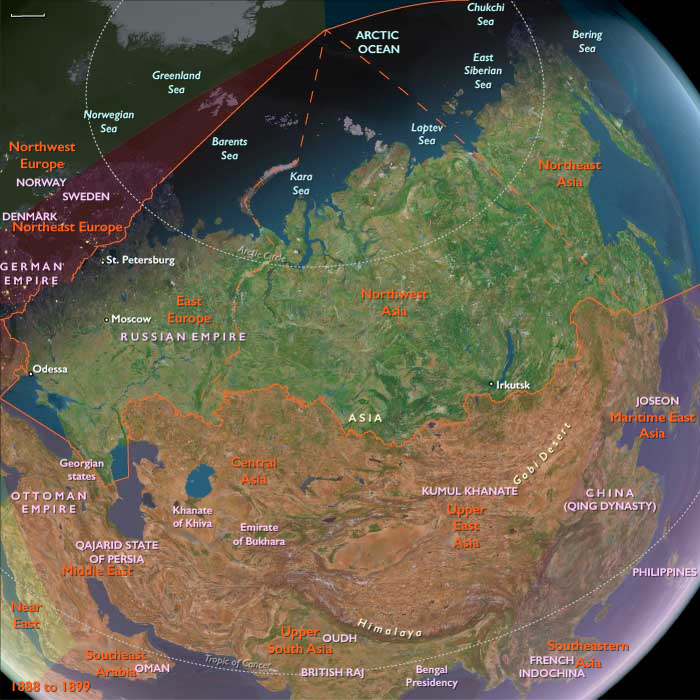
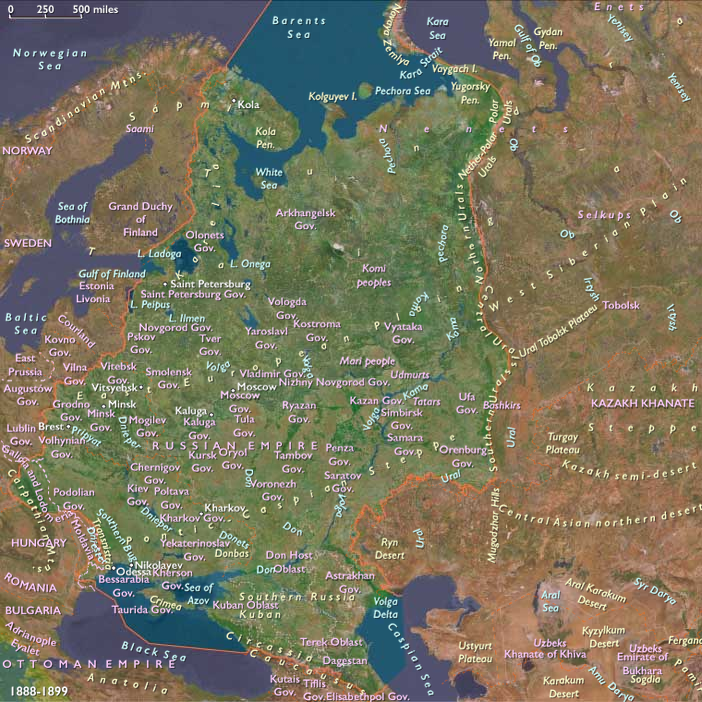
Saint Petersburg, having become alarmed at its growing isolation, enters into the Franco-Russian Alliance in 1892, as Bismarck had feared, thus bringing to an end the French isolation.
Locations
People
Groups
- Russian Empire
- Britain (United Kingdom of Great Britain and Ireland)
- Austria-Hungary
- German Empire (“Second Reich”)
- France (French republic); the Third Republic
Topics
Subjects
Regions
Subregions
Related Events
Showing 10 events out of 9626 total
Years: 1892 - 1892
Locations
People
Groups
- Russian Empire
- Britain (United Kingdom of Great Britain and Ireland)
- Austria-Hungary
- German Empire (“Second Reich”)
- France (French republic); the Third Republic
Topics
Subjects
Regions
Subregions