
Jacques Daret and the Artistic Significance of …
Years: 1435 - 1435
Jacques Daret and the Artistic Significance of Arras (1433–1435)
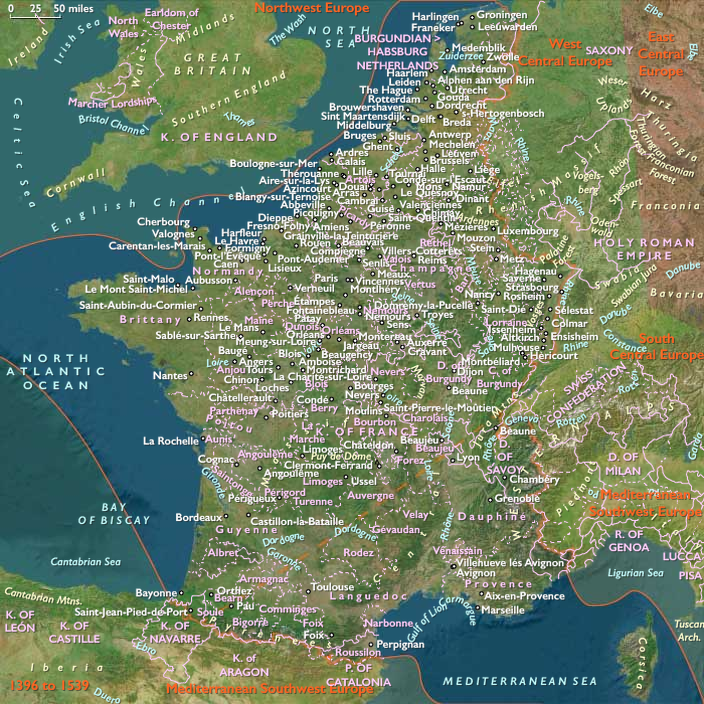
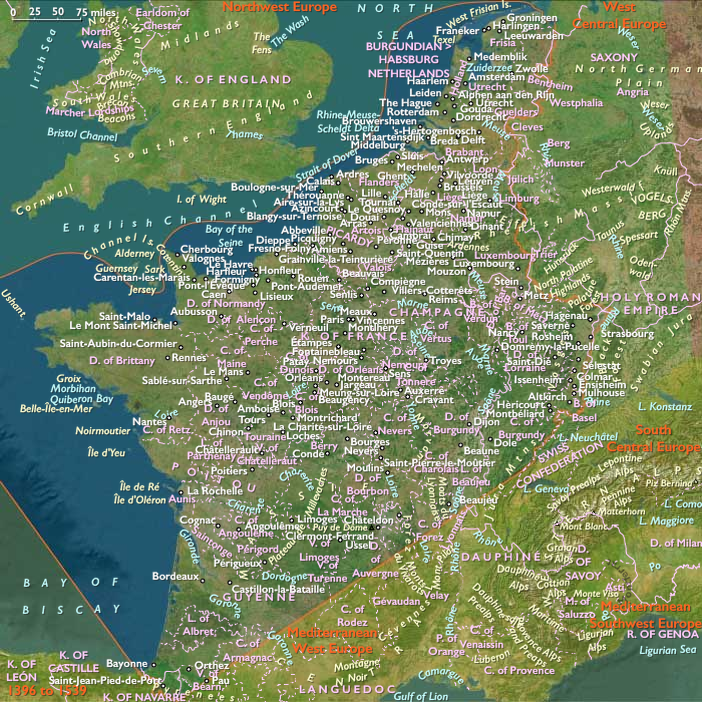
Beyond its pivotal role in diplomacy, the city of Arras also flourished as a significant cultural and artistic hub in Atlantic West Europe during the early 15th century. Central to this cultural prominence was the church of St. Vaast, home to a notable altarpiece executed between 1433 and 1435 by the distinguished French painter Jacques Daret.
Deeply influenced by the Flemish realism of the celebrated Master of Flémalle (identified by many scholars as Robert Campin), Daret's altarpiece at St. Vaast is especially important, as it constitutes the only surviving group of works securely attributed to him from this period. The altarpiece vividly embodies the refined realism and detailed observation characteristic of Flemish-influenced painting, integrating religious narrative with meticulous attention to texture, lighting, and symbolic detail.
Jacques Daret’s influence extended beyond painting; he was recognized as a versatile artistic talent, later becoming head of the painters' guild in the city of Tournai. His extensive career included not only panel painting but also manuscript illumination, the creation of tapestry cartoons, and elaborate decorations for royal festivities, underscoring the multifaceted role artists played in the cultural life of the Low Countries and northern France.
Thus, the artistic achievements of Jacques Daret at Arras reflect a broader convergence of political importance and cultural vitality, capturing the interconnectedness of diplomatic events and artistic expression that characterized Atlantic West Europe during this transformative era.
Locations
People
Groups
Topics
- Hundred Years' War
- Anglo-Scottish Wars
- Armagnac-Burgundian Civil War
- Northern Renaissance
- Hundred Years' War: French Victory
Commodoties
Subjects
Regions
Subregions
Years: 1435 - 1435
Locations
People
Groups
Topics
- Hundred Years' War
- Anglo-Scottish Wars
- Armagnac-Burgundian Civil War
- Northern Renaissance
- Hundred Years' War: French Victory
Commodoties
Subjects
Regions
Subregions