
Armand David, ordained in 1862 had shortly …
Years: 1866 - 1866
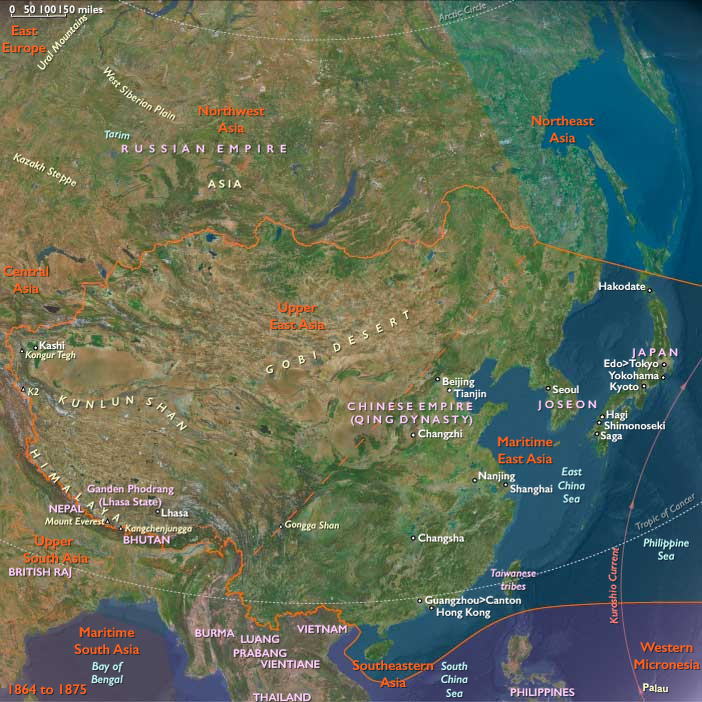
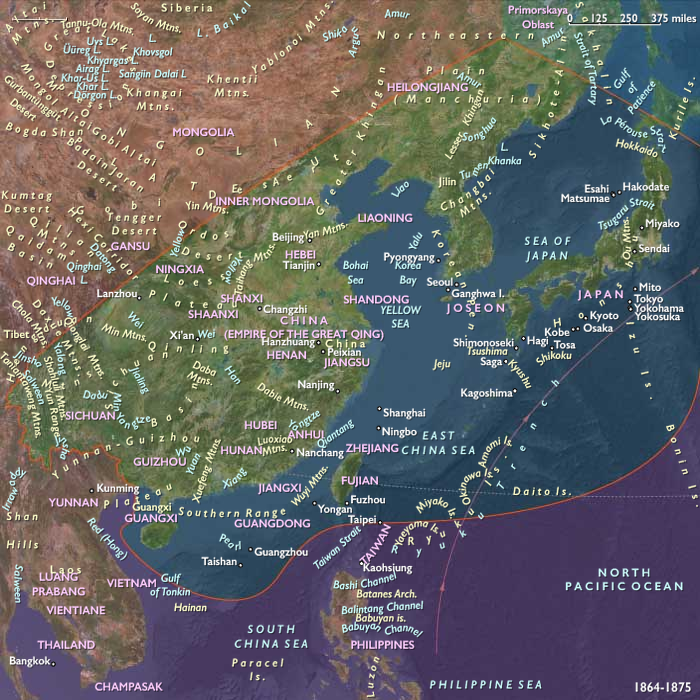
Armand David, ordained in 1862 had shortly afterwards been sent to Beijing, where he had begun a collection of material for a museum of natural history, mainly zoological, but in which botany, geology, and palaeontology are also well represented.
Born in Ezpeleta near Bayonne, in the north of Basque Country, David had entered the Congregation of the Mission in 1848, having already displayed great fondness for the natural sciences.
At the request of the French government, important specimens from his collection had been sent to Paris and had aroused the greatest interest.
The Jardin des Plantes has commissioned him to undertake scientific journeys through China to make further collections.
He succeeds in obtaining many specimens of hitherto unknown animals and plants, and the value of his comprehensive collections for the advance of systematic zoology and especially for the advancement of animal geography will receive universal recognition from the scientific world.
The most remarkable of the animals found by David that were hitherto unknown to Europe are the Giant Panda in Baoxing County and Père David's Deer.
The latter had disappeared with the exception of a few preserved in the gardens of the Emperor of China, but David had succeeded in securing the carcasses of an adult male, an adult female and a young male, and sent them to Paris, where the species is named Père David’s Deer by Alphonse Milne-Edwards, a French biologist.
Locations
Groups
Subjects
Regions
Subregions
Years: 1866 - 1866
Locations
Groups
Subjects
Regions
Subregions