
Filters:
The 1277 Condemnation of Aristotelianism at the …
Years: 1277 - 1277
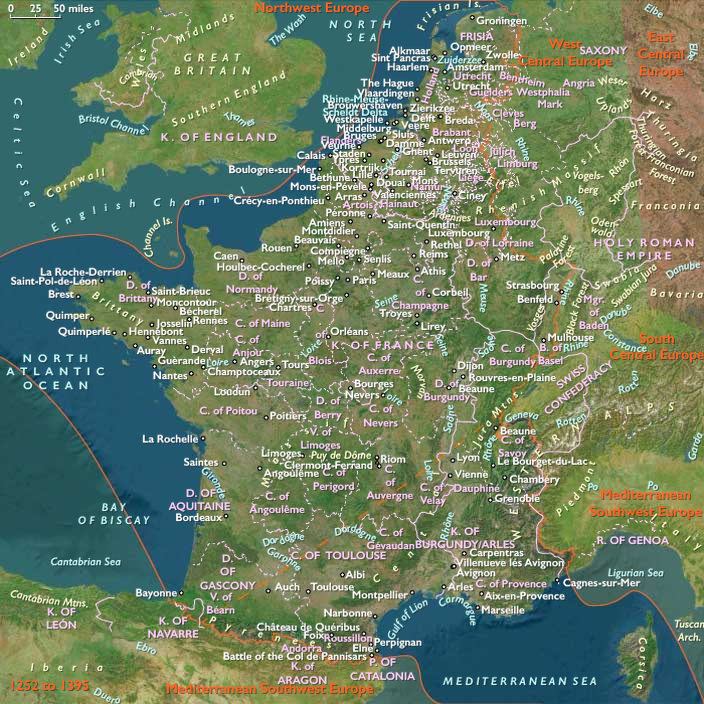
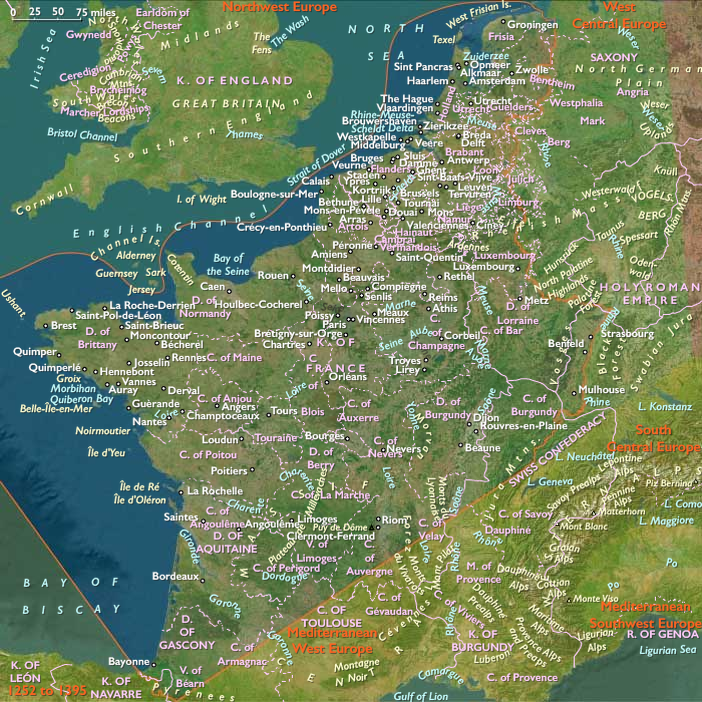
The 1277 Condemnation of Aristotelianism at the University of Paris
By the 13th century, Aristotle had been firmly reintroduced into the Western intellectual tradition, becoming the dominant philosophical authority in medieval Scholasticism. After initial resistance, his works, particularly in logic, metaphysics, and natural philosophy, were embraced, especially through the efforts of Albertus Magnus and Thomas Aquinas.
Aquinas’s Synthesis and the Rise of Radical Aristotelianism
- Albertus Magnus and his student Thomas Aquinas successfully synthesized Aristotle’s philosophy with the Augustinian Christian tradition, arguing that:
- Reason (natural knowledge) can grasp certain truths about the world.
- Faith (revealed knowledge) is necessary for divine mysteries beyond reason.
- However, more extreme Aristotelian schools emerged, particularly among the Latin Averroists, such as Siger of Brabant.
- These thinkers took Aristotle’s philosophy further, at times separating reason from faith entirely, leading to accusations of "double truth"—the idea that something could be true in philosophy but false in theology.
The Condemnation of March 7, 1277
- On March 7, 1277, Bishop Étienne Tempier of Paris, acting with papal encouragement, issued a decree prohibiting the discussion of 219 philosophical propositions, many of which were derived from Aristotle and his interpreters.
- The condemnation targeted radical Aristotelianism, particularly claims that:
- The world is eternal and uncreated (denying divine creation).
- God does not know particulars (denying divine omniscience).
- There is no individual immortality (contradicting Christian eschatology).
- Some propositions associated with Aquinas’s synthesis were also condemned, reflecting the Church’s growing caution toward Aristotelian natural philosophy.
Impact on Medieval Thought
- The Condemnation of 1277 placed philosophy under tighter theological control, leading to a temporary decline in Aristotelian influence in university discourse.
- However, rather than ending debate, it stimulated new discussions on the relationship between faith, reason, and the natural world, influencing later medieval and Renaissance philosophy.
- Figures such as John Duns Scotus and William of Ockham responded by further developing theological and philosophical distinctions, shaping the course of Scholastic thought in the 14th century.
Legacy
While initially restricting Aristotelian philosophy, the Condemnation of 1277 ultimately played a role in reshaping Scholastic discourse, paving the way for later intellectual developments in the late Middle Ages and the early modern period.
Locations
People
Groups
- Papal States (Republic of St. Peter)
- France, (Capetian) Kingdom of
- Christians, Roman Catholic
- Augustinians, or Order of St. Augustine
Topics
Subjects
Regions
Subregions
Years: 1277 - 1277
Locations
People
Groups
- Papal States (Republic of St. Peter)
- France, (Capetian) Kingdom of
- Christians, Roman Catholic
- Augustinians, or Order of St. Augustine
Topics
Subjects
Regions
Subregions