
Celtic Settlement and the Cantabrians Archaeological …
Years: 26BCE - 26BCE
Celtic Settlement and the Cantabrians
Archaeological evidence presented by Luisa Ruiz-Gálvez Priego (1998) suggests that Celtic settlement in the Iberian Peninsula occurred via the Atlantic Ocean, with migrants arriving between French Brittany and the mouth of the River Garona before eventually settling along the Galician and Cantabrian coasts.
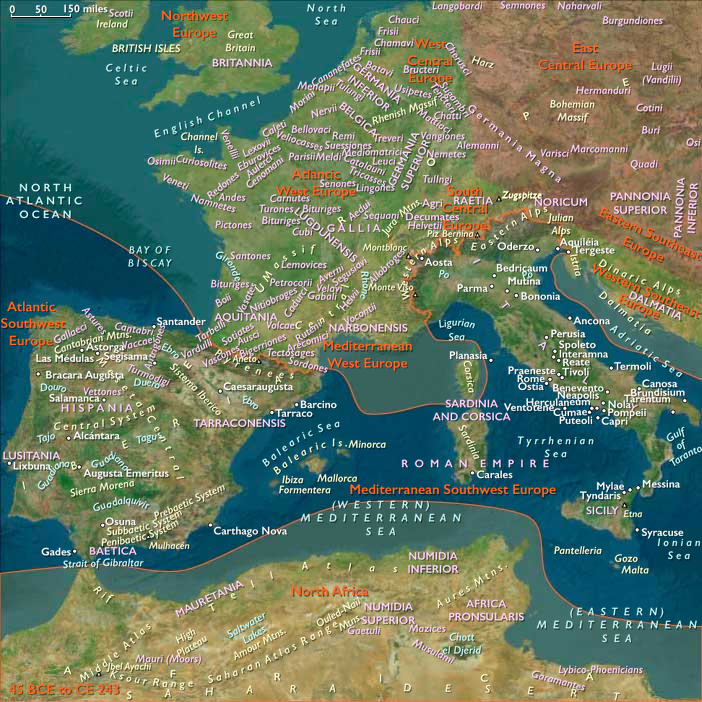
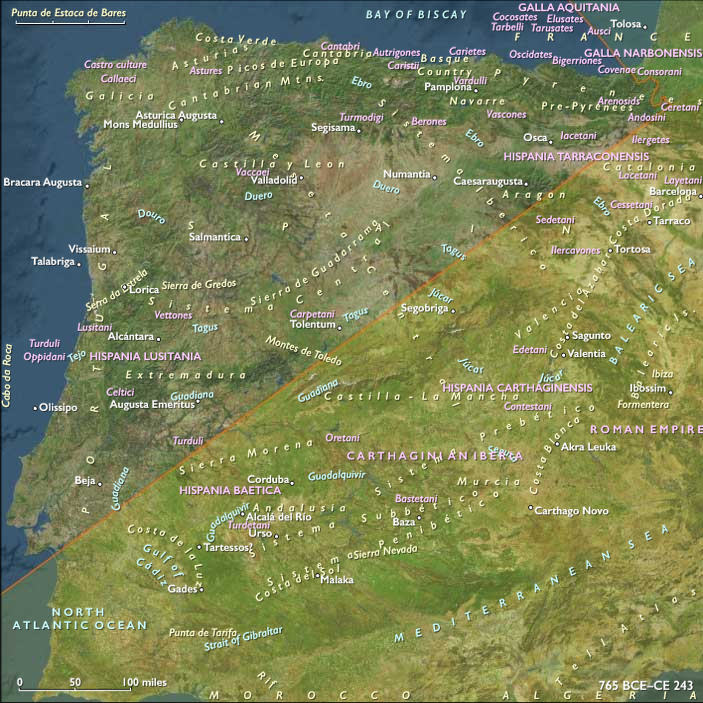
The Cantabri, a fiercely independent people, inhabited the highlands of northern Spain’s Atlantic coast, covering what is now modern Cantabria, eastern Asturias, parts of Castile-León, and the northern fringes of Palencia and Burgos provinces.
Comprising around eleven tribes, the Cantabri exhibited a blend of cultural influences, as their tribal names suggest Ligurian, Aquitanian, Indo-Aryan, Celtiberian, and Gallic affiliations.
Cantabrians in Warfare and Roman Encounters
The Cantabri first entered historical records as mercenaries, fighting in various Iberian conflicts. Their reputation as skilled warriors became well known to the Roman military, which had already encountered them prior to the Cantabrian and Asturian Wars.
Notably, Cantabrian warriors served in:
- Hannibal’s army during the Second Punic War (218–201 BCE),
- The siege of Numantia in 151 BCE, where they fought alongside the Vaccaei,
- The Sertorian Wars (80–72 BCE), and
- The Battle of Ilerda in 49 BCE, as recorded by Julius Caesar himself.
The Cantabrians' resistance to Roman rule was so fierce that they even captured a Roman standard, an event considered inexplicable and deeply humiliating for the Roman legions.
Rome’s Response and the Role of Caesar Augustus
The Roman campaigns against the Cantabrians were officially justified as retaliation for their incursions into the Roman-controlled Meseta Central. However, Rome's true motivations likely included securing Asturian gold and Cantabrian iron, both valuable resources.
Finally, in 26 BCE, Emperor Caesar Augustus personally led the campaign against the Cantabrians, establishing his military base in Segisama (modern Burgos). This marked the beginning of Rome’s final push to subjugate the fiercely independent northern tribes.
Locations
People
Groups
Topics
Commodoties
Subjects
Regions
Subregions
Related Events
Showing 10 events out of 62205 total
Years: 26BCE - 26BCE
Locations
People
Groups
Topics
Commodoties
Subjects
Regions
Subregions