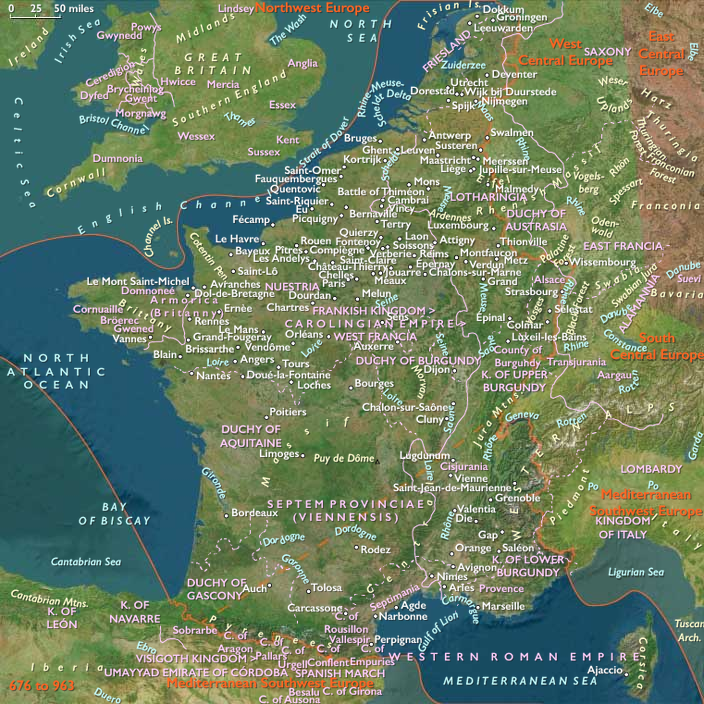
The Burning of Antwerp: Viking Incursions Along the Scheldt
- The Scheldt River provides Vikings with direct access to the interior of the Low Countries.
- In 836, a Danish fleet raids and burns Antwerp, demonstrating their ability to strike inland river towns, threatening Frankish trade networks.
Impact of the 836 Raids
- These attacks signal the increasing scope of Viking activity beyond mere seasonal plundering—they now establish permanent raiding bases along rivers and coastlines.
- The Carolingians struggle to mount an effective defense, as Viking fleets strike unpredictably, moving swiftly before royal forces can respond.
- The weakening of Frankish control in Frisia and the Low Countries allows Viking forces to establish beachheads for future invasions, culminating in the rule of Rorik of Dorestad (850s).
By the mid-9th century, Viking raids had evolved into sustained campaigns of conquest and occupation, further destabilizing the Carolingian realm and accelerating the rise of local feudal rulers who would later resist Norse incursions.