
The Rise of Neoclassicism and the Flourishing …
Years: 1684 - 1827
The Rise of Neoclassicism and the Flourishing of the Baroque Arts (17th–18th Century)
During the 17th and 18th centuries, European arts, literature, theater, music, and architecture were heavily influenced by Greco-Roman models, marking the emergence of Neoclassicism. However, in architecture and the visual arts, the period was still dominated by the Baroque style, characterized by grandeur, drama, and elaborate decoration.
In music, the Baroque period saw the development of complex polyphonic and contrapuntal techniques, as well as the birth of opera, oratorio, and cantata, laying the groundwork for later classical and Romantic music traditions.
Neoclassicism and the Baroque in Visual Arts and Architecture
- Neoclassicism emerged as a revival of Greco-Roman ideals, emphasizing harmony, symmetry, and simplicity.
- Despite this trend, architecture remained largely Baroque, featuring:
- Elaborate ornamentation and curvaceous forms.
- Dramatic contrasts of light and shadow.
- Monumental scale and theatrical effects.
- In painting and sculpture, artists such as Caravaggio, Peter Paul Rubens, and Gian Lorenzo Bernini brought Baroque dynamism and emotion to religious and mythological subjects.
The Evolution of Baroque Music
The Baroque period (c. 1600–1750) was marked by the rise of:
- Opera – A dramatic, fully staged musical form combining singing, instrumental music, and theatrical performance.
- Oratorio – A large-scale musical work for choir, soloists, and orchestra, often based on biblical stories (e.g., Handel's Messiah).
- Cantata – A shorter vocal work, typically performed in churches or courts, featuring recitative and arias.
Instrumental music flourished, leading to:
- The development of fugue, concerto, sonata, and suite.
- Innovations by Bach, Vivaldi, and Handel, who explored contrapuntal (interweaving) techniques and harmonic progressions.
New Musical Instruments of the Era
The 17th and 18th centuries also saw the invention and refinement of several musical instruments, including:
- Clarinet (early 18th century) – A woodwind instrument with a rich, expressive tone.
- Pedal harp – An advancement that allowed greater versatility in key changes.
- Harmonica – A free-reed wind instrument, later popularized in folk and blues music.
- Accordion – A portable, bellows-driven instrument with both melody and harmony capabilities.
Conclusion: A Dynamic Era of Art and Music
The 17th and 18th centuries were a period of artistic evolution, where Baroque exuberance coexisted with Neoclassical ideals. While Neoclassicism would eventually dominate literature and architecture, the Baroque period revolutionized music, theater, and visual arts, leading to the creation of some of the most enduring works in European cultural history.
Topics
- Western Art: 1684 to 1696
- Western Fashion
- Western music
- Literature: 1684 to 1828
- Western Architecture: 1684 to 1696
- Haskala; 1684-1827
- Enlightenment, Age of
- Western Art: 1696 to 1708
- Western Architecture: 1696 to 1708
- Western Architecture: 1708 to 1720
- Western Art: 1708 to 1720
- Western Art: 1720 to 1732
- Western Architecture: 1720 to 1732
- Western Architecture: 1732 to 1744
- Western Art: 1732 to 1744
- Western Art: 1744 to 1756
- Western Architecture: 1744 to 1756
- Western Architecture: 1756 to 1768
- Western Art: 1756 to 1768
- Western Architecture: 1768 to 1780
- Western Art: 1768 to 1780
- Western Architecture: 1780 to 1792
- Western Art: 1780 to 1792
- Western Architecture: 1792 to 1804
- Western Art: 1792 to 1804
- Western Art: 1804 to 1816
- Western Architecture: 1804 to 1816
- Western Art: 1816 to 1828
- Western Architecture: Neoclassicism
Subjects
Regions

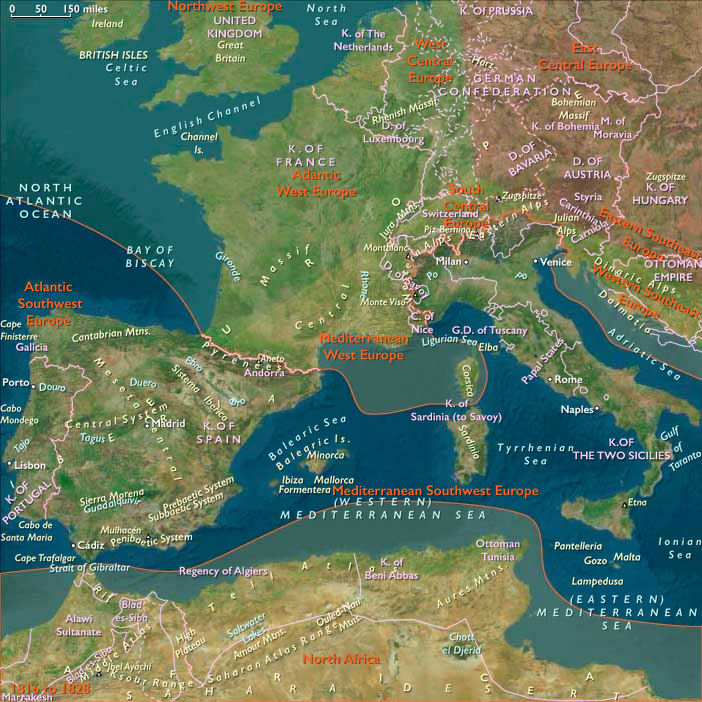
Subregions
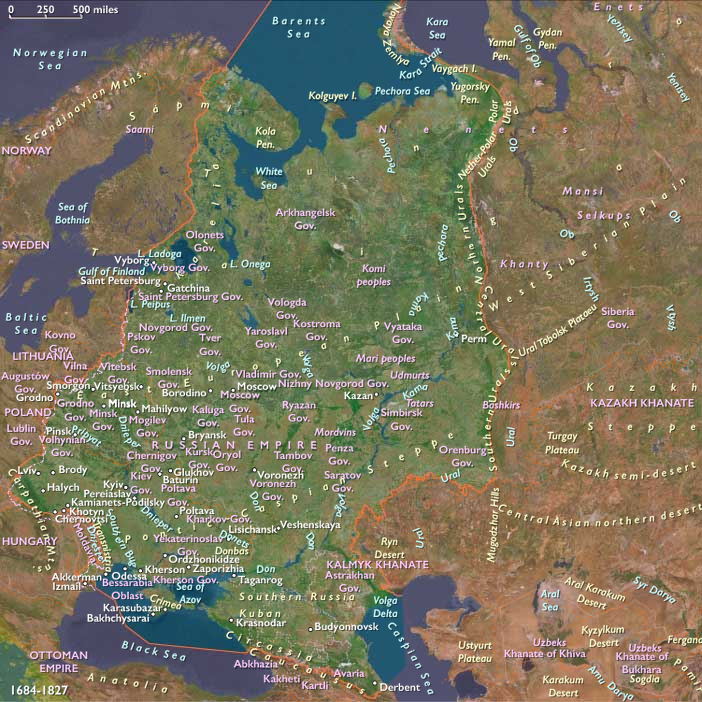
- East Europe
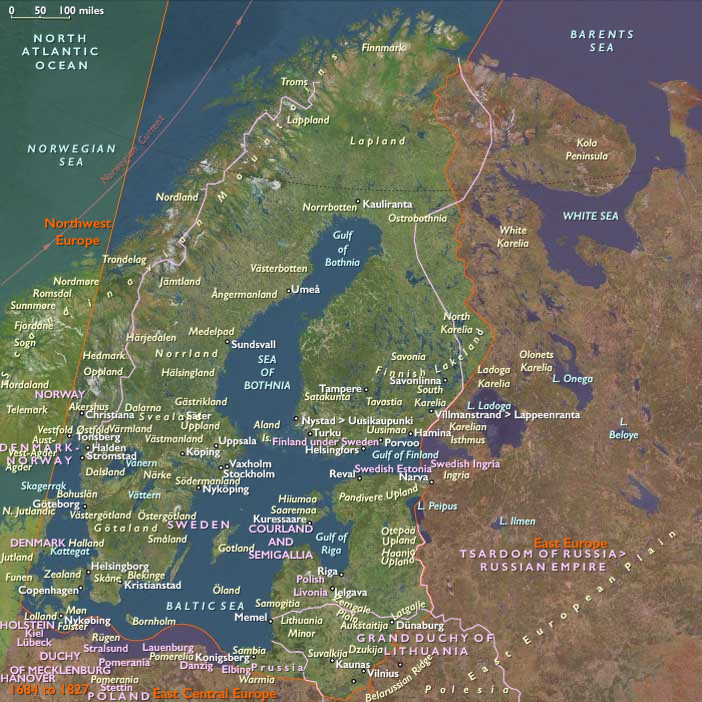
- Northeast Europe
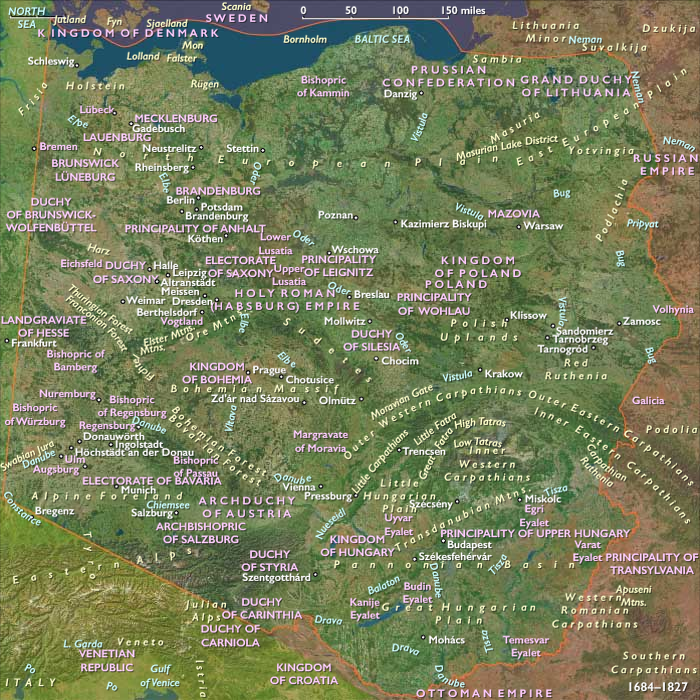
- East Central Europe
- South Central Europe
- Mediterranean West Europe
- Mediterranean Southwest Europe
- Atlantic Southwest Europe
- Atlantic West Europe
- Northwest Europe
Related Events
Showing 10 events out of 33 total
Years: 1684 - 1827
Topics
- Western Art: 1684 to 1696
- Western Fashion
- Western music
- Literature: 1684 to 1828
- Western Architecture: 1684 to 1696
- Haskala; 1684-1827
- Enlightenment, Age of
- Western Art: 1696 to 1708
- Western Architecture: 1696 to 1708
- Western Architecture: 1708 to 1720
- Western Art: 1708 to 1720
- Western Art: 1720 to 1732
- Western Architecture: 1720 to 1732
- Western Architecture: 1732 to 1744
- Western Art: 1732 to 1744
- Western Art: 1744 to 1756
- Western Architecture: 1744 to 1756
- Western Architecture: 1756 to 1768
- Western Art: 1756 to 1768
- Western Architecture: 1768 to 1780
- Western Art: 1768 to 1780
- Western Architecture: 1780 to 1792
- Western Art: 1780 to 1792
- Western Architecture: 1792 to 1804
- Western Art: 1792 to 1804
- Western Art: 1804 to 1816
- Western Architecture: 1804 to 1816
- Western Art: 1816 to 1828
- Western Architecture: Neoclassicism
Subjects
Regions
Subregions
- East Europe
- Northeast Europe
- East Central Europe
- South Central Europe
- Mediterranean West Europe
- Mediterranean Southwest Europe
- Atlantic Southwest Europe
- Atlantic West Europe
- Northwest Europe