
Anne of Brittany Assumes Administration of Brittany …
Years: 1498 - 1498
April
Anne of Brittany Assumes Administration of Brittany (1498)
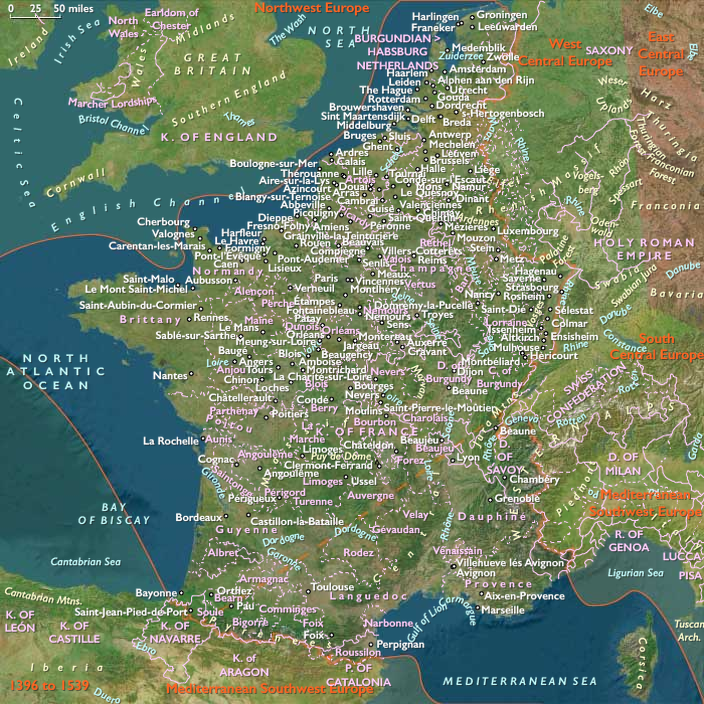
At just twenty-one years old, Anne of Brittany, widow of the recently deceased King Charles VIII, finds herself without surviving children and swiftly asserts direct control over the governance of the Duchy of Brittany. Demonstrating political decisiveness and administrative skill, Anne immediately reestablishes her authority by reinstating trusted advisor Philippe de Montauban to the Chancellery of Brittany. She also names Jean de Châlon, Prince of Orange, as Hereditary Lieutenant General of Brittany, assembles the Estates of Brittany, commissions the minting of a gold coin inscribed with her name, and entrusts responsibility for the strategic Château de Brest to the loyal Philippe de Montauban.
Anne’s rule extends beyond political administration, reflecting her deep cultural sophistication and artistic patronage. She cultivates a celebrated court enriched by influential figures, including prominent humanists and literary scholars such as the Italian humanist Publio Fausto Andrelini—a significant conduit for Renaissance ideas in France—as well as historian Jean Lemaire de Belges and poet Jean Marot. She also secures the services of the era’s foremost composers and musicians, notably Johannes Ockeghem, Antoine de Févin, Loyset Compère, and Jean Mouton. Anne’s court becomes a vibrant center for intellectual exchange, artistic innovation, and cultural patronage, reflecting broader Renaissance trends influencing Atlantic West Europe.
Anne's assertive political role as both administrator and patron underscores her distinct historical status as one of France’s earliest queens to actively engage in independent political authority and extensive cultural patronage.
Consequences and Legacy:
Anne's administration signaled a unique phase of relative autonomy for Brittany within the French realm, demonstrating the Duchy's ongoing assertion of independent regional identity amid growing centralization. Her patronage notably advanced the spread of humanist culture in Atlantic West Europe, setting precedents for subsequent royal patronage of Renaissance arts and scholarship in France. Additionally, Anne's complex marital status—further complicated by the existing marriage between King Louis XII and Joan of France—foreshadowed significant political and dynastic tensions central to subsequent French and Breton history.
Locations
People
- Anne of Brittany
- Antoine de Févin
- Charles VIII of France
- Jean Lemaire de Belges
- Jean Marot
- Jean Mouton
- Joan of France
- Louis XII of France
- Loyset Compère
- Publio Fausto Andrelini
Groups
- Papal States (Republic of St. Peter)
- Brittanny, Duchy of
- Christians, Roman Catholic
- France, (Valois) Kingdom of
Topics
Commodoties
Subjects
Regions
Subregions
Related Events
Showing 10 events out of 40110 total
Years: 1498 - 1498
April
Locations
People
- Anne of Brittany
- Antoine de Févin
- Charles VIII of France
- Jean Lemaire de Belges
- Jean Marot
- Jean Mouton
- Joan of France
- Louis XII of France
- Loyset Compère
- Publio Fausto Andrelini
Groups
- Papal States (Republic of St. Peter)
- Brittanny, Duchy of
- Christians, Roman Catholic
- France, (Valois) Kingdom of
Topics
Commodoties
Subjects
Regions
Subregions