
Filters:
Animal representations, floral motifs, and, by the …
Years: 765BCE - 622BCE
Animal representations, floral motifs, and, by the eighth century BCE, human figures in stylized silhouettes, have intruded gradually into the traditional abstract geometric decorations of Greek pottery, particularly abundant in Attica.
The contemporary “Dipylon Krater”, a large vase originally used as a grave monument, depicts dancers, processions of horsemen and chariots, battle scenes, and men and women lamenting the dead.
Locations
Groups
- Athens, City-State of
- Thebes, City-State of
- Greece, classical
- Sparta, Kingdom of
- Corinth, City-State of
Topics
- Younger Subboreal Period
- Iron Age, Near and Middle East
- Greek colonization
- Iron Age Cold Epoch
- Classical antiquity
Commodoties
- Weapons
- Water
- Domestic animals
- Grains and produce
- Ceramics
- Strategic metals
- Beer, wine, and spirits
- Lumber
- Land
- Money
Subjects
- Commerce
- Symbols
- Watercraft
- Engineering
- Sculpture
- Painting and Drawing
- Environment
- Government
- Custom and Law
Regions
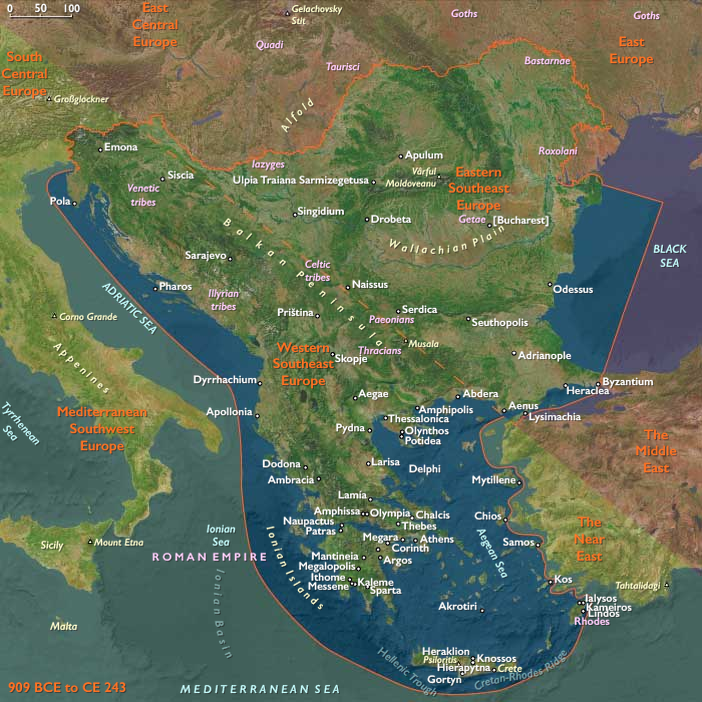
Subregions
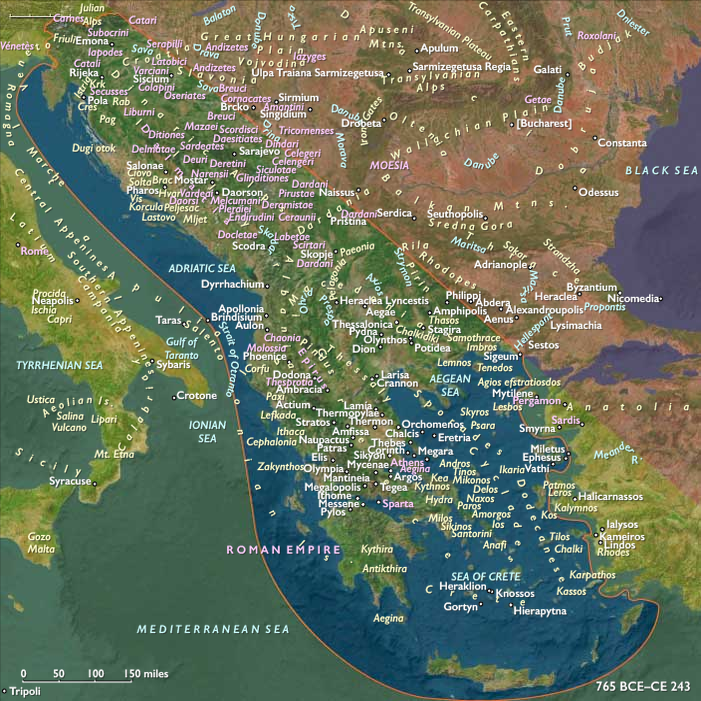
Years: 765BCE - 622BCE
Locations
Groups
- Athens, City-State of
- Thebes, City-State of
- Greece, classical
- Sparta, Kingdom of
- Corinth, City-State of
Topics
- Younger Subboreal Period
- Iron Age, Near and Middle East
- Greek colonization
- Iron Age Cold Epoch
- Classical antiquity
Commodoties
- Weapons
- Water
- Domestic animals
- Grains and produce
- Ceramics
- Strategic metals
- Beer, wine, and spirits
- Lumber
- Land
- Money
Subjects
- Commerce
- Symbols
- Watercraft
- Engineering
- Sculpture
- Painting and Drawing
- Environment
- Government
- Custom and Law
Regions
Subregions