
An organized, large scale influx of Huguenots …
Years: 1689 - 1689
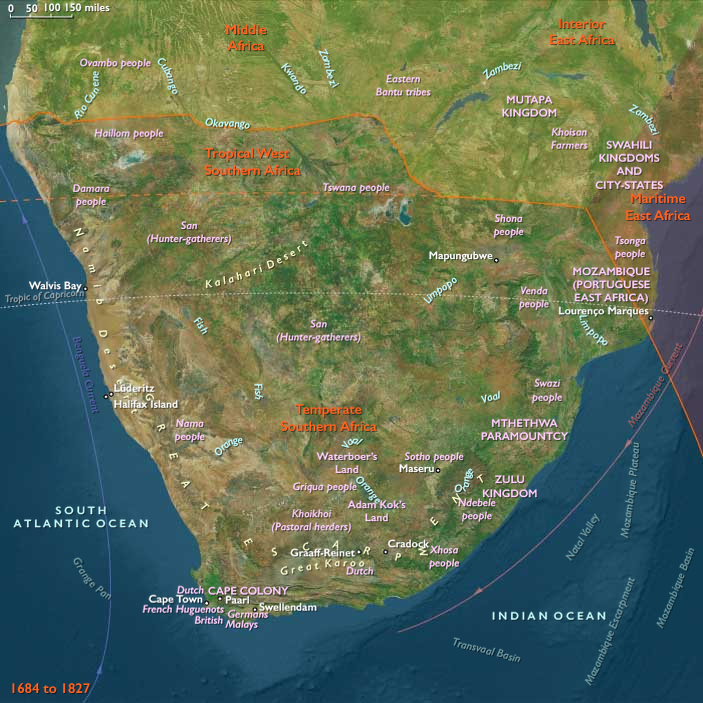
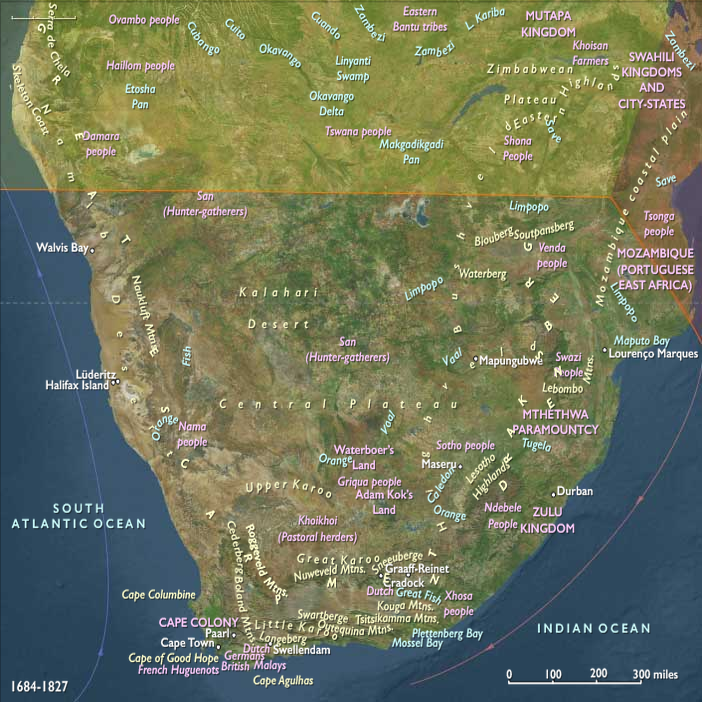
An organized, large scale influx of Huguenots to the Cape of Good Hope takes place during 1688 and 1689, notable for the emigration of Huguenots from La Motte d'Aigues in Provence, France.
Many of these settlers have choses as their home an area called Franschhoek, Dutch for "French corner", in the present day Western Cape province of South Africa.
French Huguenot refugeess, many of whom are given land by the Dutch government in 1688, form the original settlers of the valley called Olifantshoek ("Elephant's corner"), so named because of the vast herds of elephants that roam the area.
The name of the area would soon change to Franschhoek, with many of the settlers naming their new farms after the areas in France from which they have come.
La Motte, La Cotte, Cabriere, Provence, Chamonix, Dieu Donne and La Dauphine are among some of the first established farms — most of which still retain their original farm houses today.
These farms have grown into renowned wineries, such as Boschendal, which is one of the oldest wine estates in South Africa.
The estate's first owner, Jean de Long, is one of the party of two hundred French Huguenot refugees granted land in the Cape of Good Hope by the Dutch East India Company in 1688.
Locations
Groups
- Huguenots (the “Reformed”)
- Dutch East India Company (Vereenigde Oostindische Compagnie or VOC in Dutch, literally "United East Indies Company")
- Cape Colony, Dutch East India Company's
Topics
Commodoties
Subjects
Regions
Subregions
Related Events
Showing 10 events out of 29345 total
Years: 1689 - 1689
Locations
Groups
- Huguenots (the “Reformed”)
- Dutch East India Company (Vereenigde Oostindische Compagnie or VOC in Dutch, literally "United East Indies Company")
- Cape Colony, Dutch East India Company's
Topics
Commodoties
Subjects
Regions
Subregions