
An invading army of more than one …
Years: 1675 - 1675
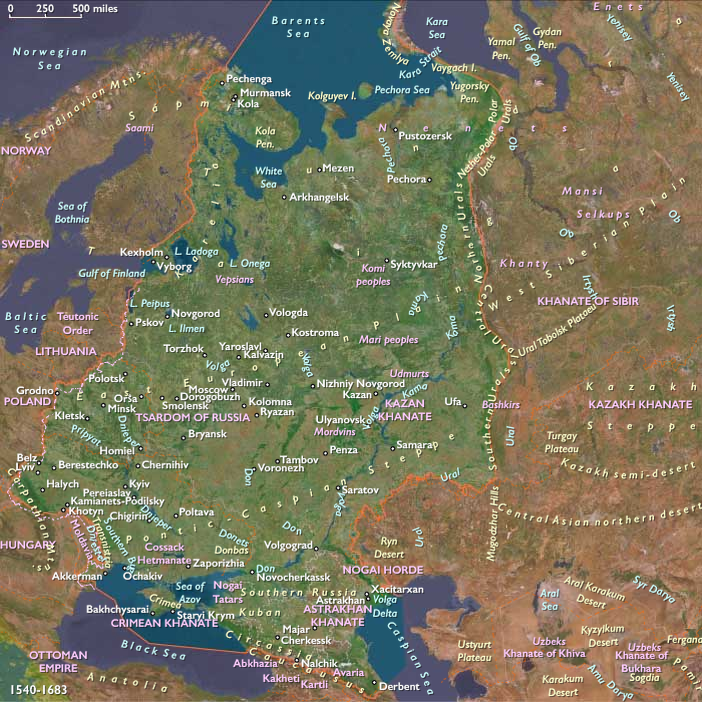
An invading army of more than one hundred and fifty thousand Turks and Tatars has seized Podolia but Sobieski’s forces eventually defeat them in 1675 at the Battle of Lvov.
Locations
People
Groups
- Crimean Khanate
- Ottoman Empire
- Polish-Lithuanian Commonwealth (Commonwealth of the Two Nations)
- France, (Bourbon) Kingdom of
- Habsburg Monarchy, or Empire
Topics
Commodoties
Subjects
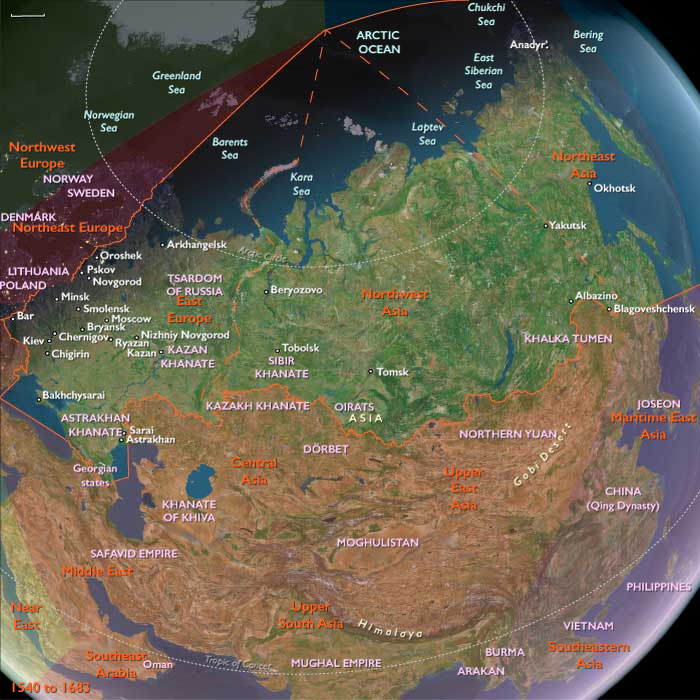
Regions
Subregions
Related Events
Showing 10 events out of 30578 total
Years: 1675 - 1675
Locations
People
Groups
- Crimean Khanate
- Ottoman Empire
- Polish-Lithuanian Commonwealth (Commonwealth of the Two Nations)
- France, (Bourbon) Kingdom of
- Habsburg Monarchy, or Empire
Topics
Commodoties
Subjects
Regions
Subregions