
Siege of Mézières: Imperial Advance Halted by …
Years: 1521 - 1521
July
Siege of Mézières: Imperial Advance Halted by Bayard and Montmorency (1521)
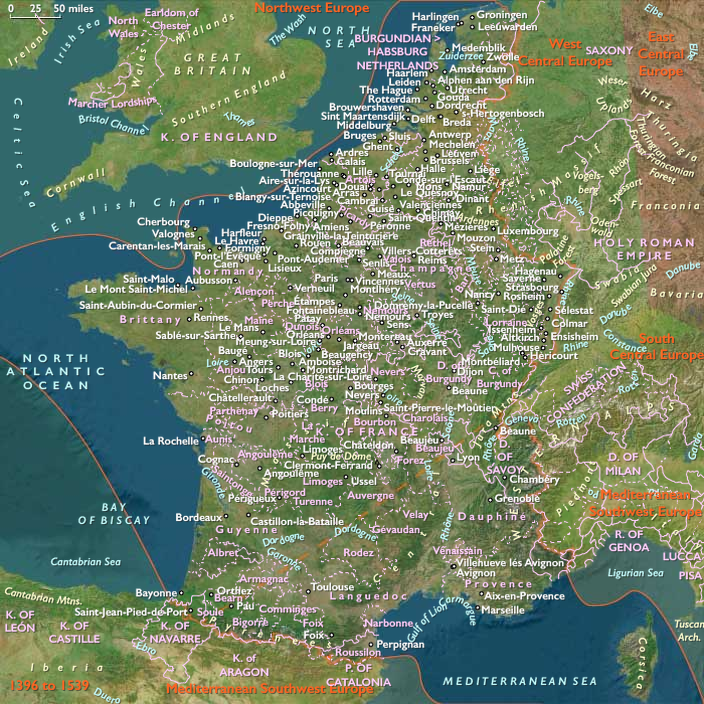
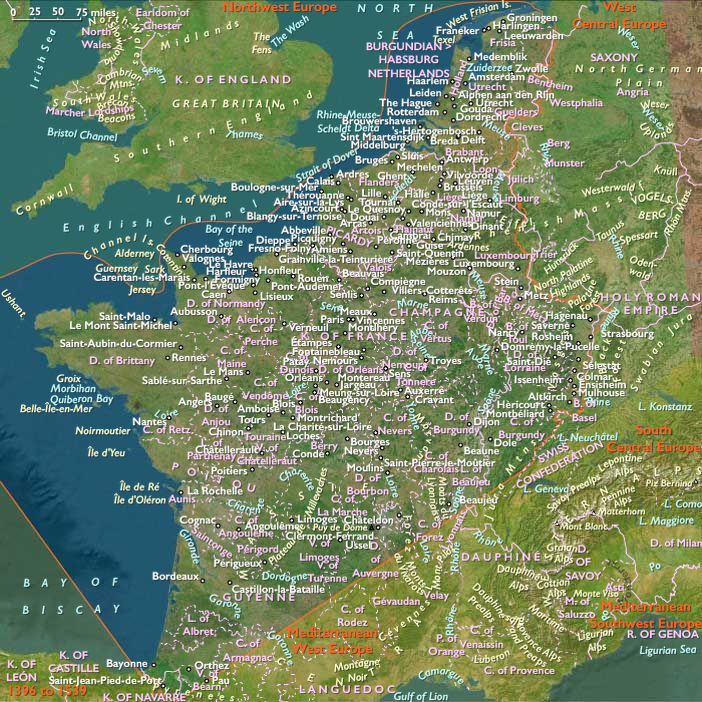
In 1521, as part of the escalating hostilities marking the Italian War of 1521–1526, an Imperial army commanded by the prominent military leader Franz von Sickingen advances aggressively into Picardy, targeting the critical fortress city of Mézières (now part of Charleville-Mézières). Sickingen's campaign aims to penetrate deep into northern France, exert pressure on King Francis I, and further destabilize the French frontier.
However, the Imperial forces meet unexpectedly fierce resistance at Mézières. The city's defense is led by the legendary knight, Pierre Terrail, Seigneur de Bayard, famed throughout Europe as the embodiment of chivalric virtue, and by the rising military commander Anne de Montmorency, who later emerges as a leading French statesman. Despite intense bombardments and sustained assaults, the French defenders stubbornly hold their ground, repelling each Imperial attempt to breach the city's walls.
The successful defense of Mézières has important strategic and symbolic consequences. Forced to withdraw by the determined resistance, Sickingen's troops retreat, leaving behind a significant Imperial setback. This defensive victory buys critical time for Francis I, allowing the king to assemble and mobilize French forces capable of effectively countering the Imperial invasion.
The siege’s significance extends beyond the immediate military outcome. By successfully resisting Imperial aggression, Bayard and Montmorency bolster the French morale at a precarious moment and reaffirm the resilience of the French frontier. For Montmorency, his prominent role in the defense solidifies his reputation, launching him into a prominent military and political career. For Bayard, already renowned for his valor, this defense further cements his legendary status.
In a broader context, the failure at Mézières disrupts Imperial momentum, preventing Emperor Charles V from exploiting initial gains in Picardy. This turning point thus shapes the ensuing phase of the war, confirming the French capacity for sustained resistance despite intense military pressure.
Locations
People
- André de Foix
- Anne de Montmorency
- Charles V, Holy Roman Emperor
- Francesco II Sforza
- Franz von Sickingen
- Frederick III , Elector of Saxony
- Henry II, Count of Nassau-Breda
- Henry II, king of Navarre
- Henry VIII of England
- Jakob Fugger
- Martin Luther
- Maximilian I of
- Pierre Terrail
- Pope Clement VII
- Pope Leo X
- Robert III de La Marck
- Thomas Wolsey
Groups
- Papal States (Republic of St. Peter)
- Christians, Roman Catholic
- Venice, (Most Serene) Republic of
- France, (Valois) Kingdom of
- Saxony, Electorate of
- Worms, Bishopric of
- Holy Roman Empire
- Milan, Duchy of
- Netherlands, Habsburg
- England, (Tudor) Kingdom of
- Navarre, Lower, Kingdom of
- Spain, Habsburg Kingdom of
- Lutheranism
- Protestantism
Topics
Commodoties
Subjects
Regions
Subregions
Years: 1521 - 1521
July
Locations
People
- André de Foix
- Anne de Montmorency
- Charles V, Holy Roman Emperor
- Francesco II Sforza
- Franz von Sickingen
- Frederick III , Elector of Saxony
- Henry II, Count of Nassau-Breda
- Henry II, king of Navarre
- Henry VIII of England
- Jakob Fugger
- Martin Luther
- Maximilian I of
- Pierre Terrail
- Pope Clement VII
- Pope Leo X
- Robert III de La Marck
- Thomas Wolsey
Groups
- Papal States (Republic of St. Peter)
- Christians, Roman Catholic
- Venice, (Most Serene) Republic of
- France, (Valois) Kingdom of
- Saxony, Electorate of
- Worms, Bishopric of
- Holy Roman Empire
- Milan, Duchy of
- Netherlands, Habsburg
- England, (Tudor) Kingdom of
- Navarre, Lower, Kingdom of
- Spain, Habsburg Kingdom of
- Lutheranism
- Protestantism
Topics
Commodoties
Subjects
Regions
Subregions