
Filters:
Ferdinand VI of Spain at the end …
Years: 1759 - 1759
October
Ferdinand VI of Spain at the end of 1758 was displaying the same symptoms of depression that his father used to suffer from.
Ferdinand had lost his devoted wife, Infanta Barbara of Portugal, in August 1758 and had fallen into deep mourning for her.
He named his half-brother Charles, Duke of Parma and Piacenza, his heir presumptive on December 10, 1758 before leaving Madrid to stay at Villaviciosa de Odón, where he died on August 10, 1759.
At that point, Charles had been proclaimed King of Spain under the name of Charles III of Spain, respecting the third Treaty of Vienna, which states he will not be able to join the Neapolitan and Sicilian territories to the Spanish throne.
He is later given the title of Lord of the Two Sicilies.
The Treaty of Aix-la-Chapelle, which Charles has not ratified, foresees the eventuality of his accession to Spain; thus Naples and Sicily go to his brother Philip, Duke of Parma, while the possessions of the latter are divided between Maria Theresa (Parma and Guastalla) and the King of Sardinia (Plaisance).
Determined to maintain the hold of his descendants on the court of Naples, Charles had undertaken lengthy diplomatic negotiations with Maria Theresa, and in 1758 the two had signed the Fourth Treaty of Versailles, by which Austria formally renounced the Italian Duchies.
Charles Emmanuel III of Sardinia, however continued to pressure on the possible gain of Plaisance and even threatened to occupy it.
In order to defend the Duchy of Parma from Charles Emmanuel's threats, Charles deployed troops on the borders of the Papal States.
Thanks to the mediation of Louis XV, Charles Emmanuel renouncea his claims to Plaisance in exchange for financial compensation.
Charles thus assures the succession of one of his sons and, at the same time, reduces Charles Emmanuel's ambitions.
The eldest son of Charles, Infante Philip, Duke of Calabria, has learning difficulties and is thus taken out of the line of succession to any throne; he will die in 1777 in Portici where he had been born in 1747.
The title of Prince of Asturias is given to Charles, the second-born.
The right of succession to Naples and Sicily is reserved for his third son, Ferdinand; he will stay in Italy while his father is in Spain.
Charles' formally abdicates the crowns of Naples and Sicily on October 6, 1759 in favor of Ferdinand.
Charles leaves his son's education and care to a regency council composed of eight members; this council will govern the kingdom until the young king is 16 years old.
Charles and his wife arrive in Barcelona on October 7, 1759.
Ferdinand had lost his devoted wife, Infanta Barbara of Portugal, in August 1758 and had fallen into deep mourning for her.
He named his half-brother Charles, Duke of Parma and Piacenza, his heir presumptive on December 10, 1758 before leaving Madrid to stay at Villaviciosa de Odón, where he died on August 10, 1759.
At that point, Charles had been proclaimed King of Spain under the name of Charles III of Spain, respecting the third Treaty of Vienna, which states he will not be able to join the Neapolitan and Sicilian territories to the Spanish throne.
He is later given the title of Lord of the Two Sicilies.
The Treaty of Aix-la-Chapelle, which Charles has not ratified, foresees the eventuality of his accession to Spain; thus Naples and Sicily go to his brother Philip, Duke of Parma, while the possessions of the latter are divided between Maria Theresa (Parma and Guastalla) and the King of Sardinia (Plaisance).
Determined to maintain the hold of his descendants on the court of Naples, Charles had undertaken lengthy diplomatic negotiations with Maria Theresa, and in 1758 the two had signed the Fourth Treaty of Versailles, by which Austria formally renounced the Italian Duchies.
Charles Emmanuel III of Sardinia, however continued to pressure on the possible gain of Plaisance and even threatened to occupy it.
In order to defend the Duchy of Parma from Charles Emmanuel's threats, Charles deployed troops on the borders of the Papal States.
Thanks to the mediation of Louis XV, Charles Emmanuel renouncea his claims to Plaisance in exchange for financial compensation.
Charles thus assures the succession of one of his sons and, at the same time, reduces Charles Emmanuel's ambitions.
The eldest son of Charles, Infante Philip, Duke of Calabria, has learning difficulties and is thus taken out of the line of succession to any throne; he will die in 1777 in Portici where he had been born in 1747.
The title of Prince of Asturias is given to Charles, the second-born.
The right of succession to Naples and Sicily is reserved for his third son, Ferdinand; he will stay in Italy while his father is in Spain.
Charles' formally abdicates the crowns of Naples and Sicily on October 6, 1759 in favor of Ferdinand.
Charles leaves his son's education and care to a regency council composed of eight members; this council will govern the kingdom until the young king is 16 years old.
Charles and his wife arrive in Barcelona on October 7, 1759.
Locations
People
- Charles Emmanuel III
- Charles III of Spain
- Charles IV of Spain
- Ferdinand I of the Two Sicilies
- Ferdinand VI of Spain
- Maria Theresa
- Philip, Duke of Parma
Groups
Subjects
Regions
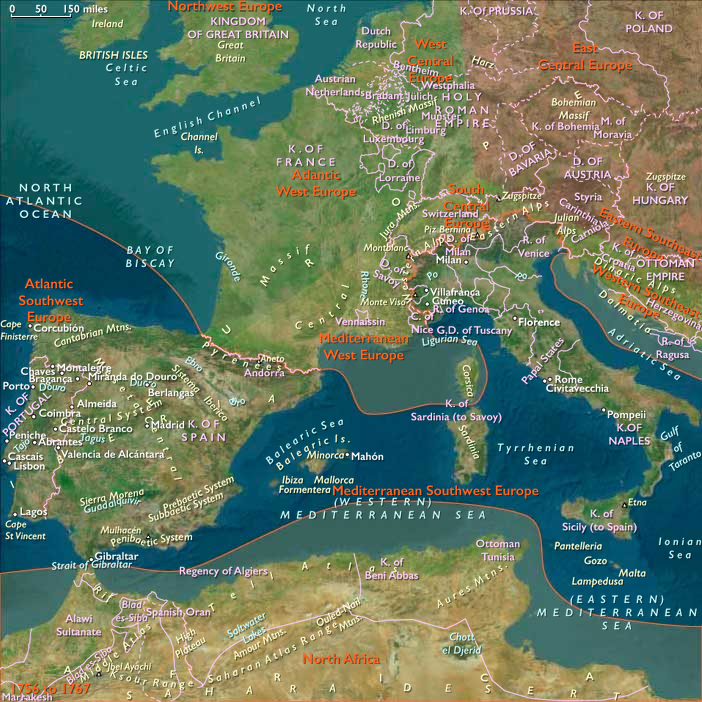
Subregions
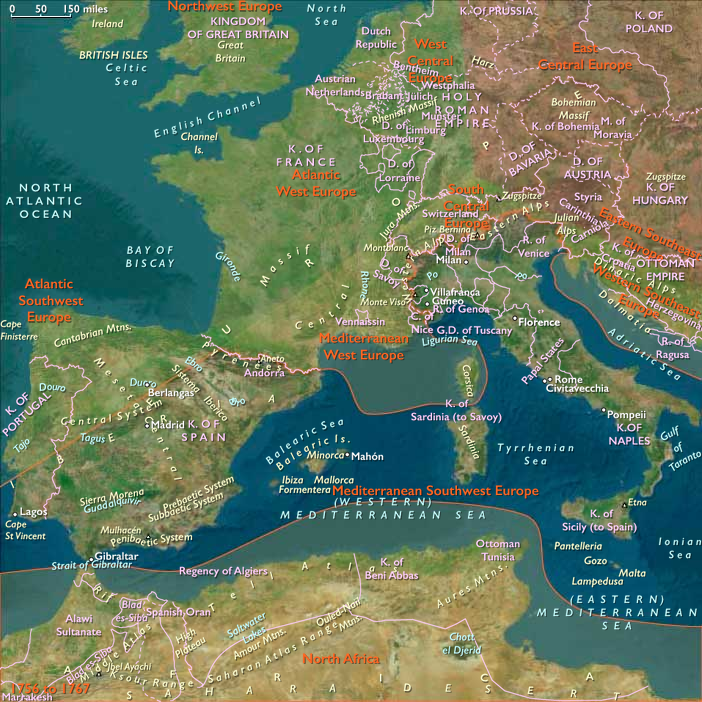
Years: 1759 - 1759
October
Locations
People
- Charles Emmanuel III
- Charles III of Spain
- Charles IV of Spain
- Ferdinand I of the Two Sicilies
- Ferdinand VI of Spain
- Maria Theresa
- Philip, Duke of Parma
Groups
Subjects
Regions
Subregions