
Ambassador d'Aramon, in Malta, writes a letter …
Years: 1551 - 1551
September
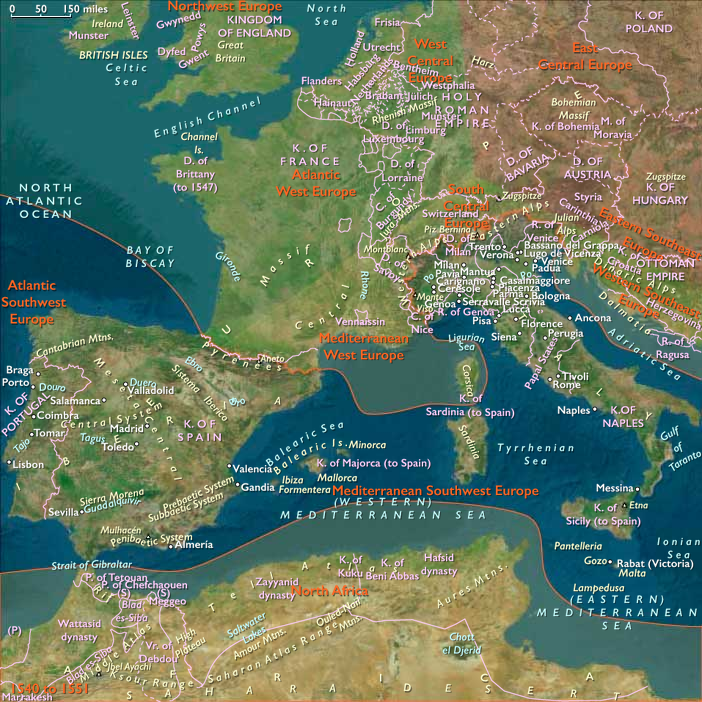
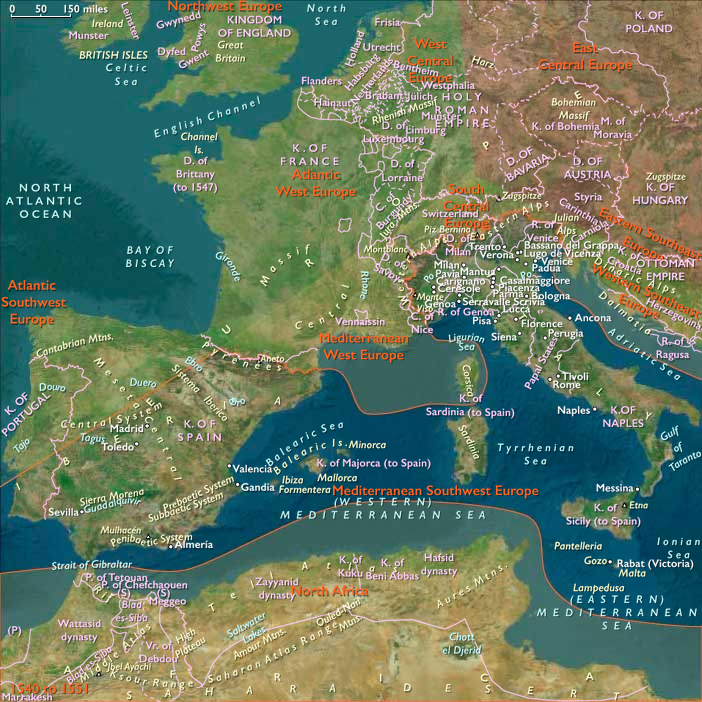
Ambassador d'Aramon, in Malta, writes a letter to Henry II about his Tripoli intervention.
The role of d'Aramon is widely criticized by Charles V and Julius III on suspicion that he had encouraged the Ottomans to take the city.
It appears that d'Aramon had participated in the victory banquet of the Ottomans, raising further suspicion on his role in the siege, and leading to claims by Charles V that France has participated to the siege.
D'Aramon in any case has a special relationship with the Ottomans, and is clearly aware that the fall of Tripoli represents a major setback for Charles V. Upon his return to Malta, Gaspard de Vallier comes under heavy criticism by the Grand Master Juan de Homedes y Coscon, who wishes to assign all the blame for the defeat on him.
He is brought in front of a tribunal, and stripped from the habit and cross of the Order.
However, Nicolas de Villegagnon, who had helped repel the Ottomans at Malta, staunchly defends de Vallier and exposes Homedes’s duplicity.
De Vallier will later rehabilitated by Grand Master Jean Parisot de la Valette.
Villegaignon will go on to became an important historical figure in the attempt by king Henry II to build a "France Antarctique", by invading present-day Rio de Janeiro, Brazil in 1555 with a fleet of two ships and six hundred soldiers and colonists, mainly French Huguenots and Swiss Calvinists who seek to escape Catholic persecution in Europe.
Locations
People
- Charles V, Holy Roman Emperor
- Henry II of France
- Nicolas Durand de Villegaignon
- Pope Julius III
- Sinan Pasha
- Suleiman I “the Magnificent”
Groups
- Malta
- France, (Valois) Kingdom of
- Ottoman Empire
- Spain, Habsburg Kingdom of
- Habsburg Monarchy, or Empire
- Knights of Malta, Sovereign and Military Order of the
Topics
- Ottoman-Habsburg Wars
- Protestant Reformation
- Counter-Reformation (also Catholic Reformation or Catholic Revival)
- Italian War of 1551–1559, or Habsburg-Valois War
- Gozo, Invasion of
Commodoties
Subjects
Regions
Subregions
Years: 1551 - 1551
September
Locations
People
- Charles V, Holy Roman Emperor
- Henry II of France
- Nicolas Durand de Villegaignon
- Pope Julius III
- Sinan Pasha
- Suleiman I “the Magnificent”
Groups
- Malta
- France, (Valois) Kingdom of
- Ottoman Empire
- Spain, Habsburg Kingdom of
- Habsburg Monarchy, or Empire
- Knights of Malta, Sovereign and Military Order of the
Topics
- Ottoman-Habsburg Wars
- Protestant Reformation
- Counter-Reformation (also Catholic Reformation or Catholic Revival)
- Italian War of 1551–1559, or Habsburg-Valois War
- Gozo, Invasion of
Commodoties
Subjects
Regions
Subregions