
Alyattes' son and successor, the wealthy Croesus …
Years: 561BCE - 550BCE
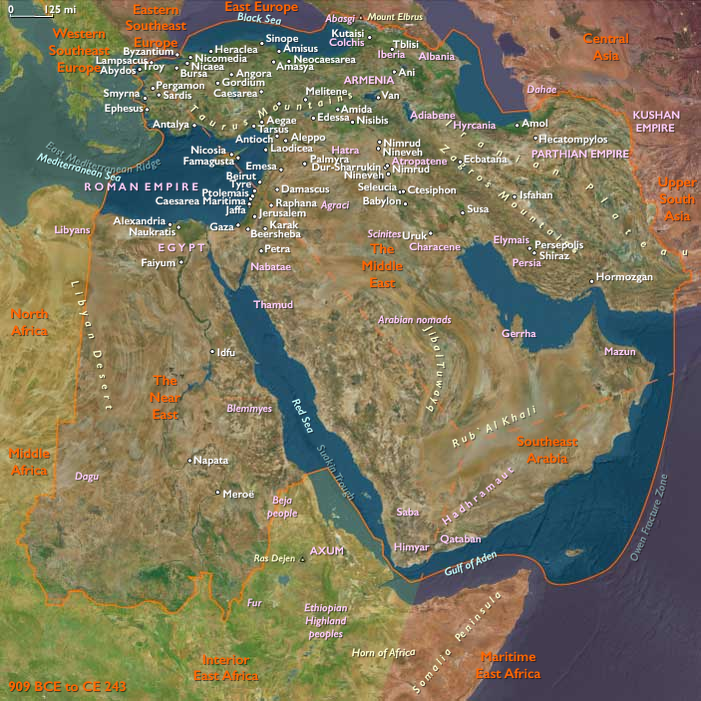
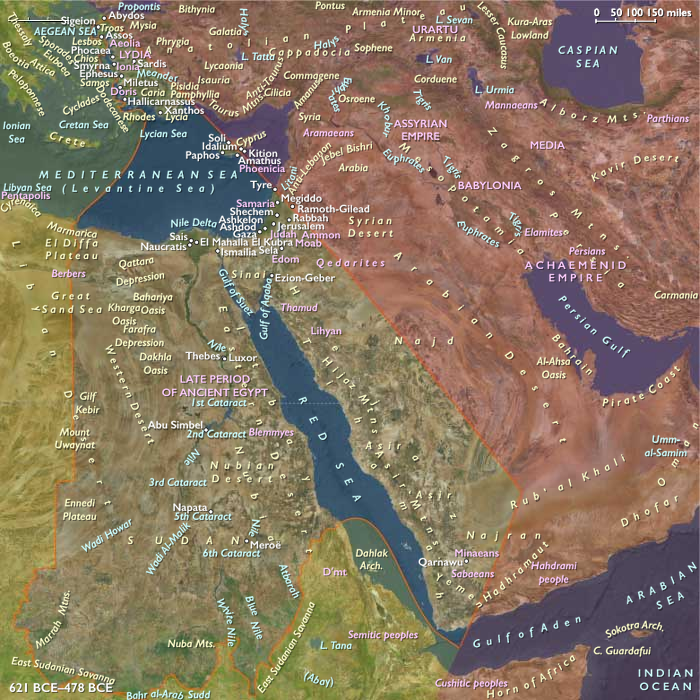
Alyattes' son and successor, the wealthy Croesus of Lydia, has become famous for his great wealth gained by trade.
Croesus' earliest coins are of electrum (an alloy of gold and silver), which the Greeks call “white gold” (modern “green gold”). (The foundation deposit of the Artemisium at Ephesus shows that electrum coins were in production before Croesus, possibly under King Gyges.)
The coins attributed to Croesus are stamped on one side with the facing heads of a lion and a bull; this type is later transferred to his bimetallic series of pure gold and pure silver. (Some recent scholarship, however, suggests that this latter series had in fact been struck under Croesus' Persian successors.)
Croesus' relations with Greece are close, and his later bimetallic system of pure gold and pure silver coins may have owed something to the fact that Greece has itself now produced its first silver coins.
Locations
People
Groups
Topics
Commodoties
Subjects
Regions
Subregions
Related Events
Showing 8 events out of 8 total
Years: 561BCE - 550BCE
Locations
People
Groups
Topics
Commodoties
Subjects
Regions
Subregions