
Filters:
Britain cedes the Heligoland islands (in the …
Years: 1890 - 1890
July
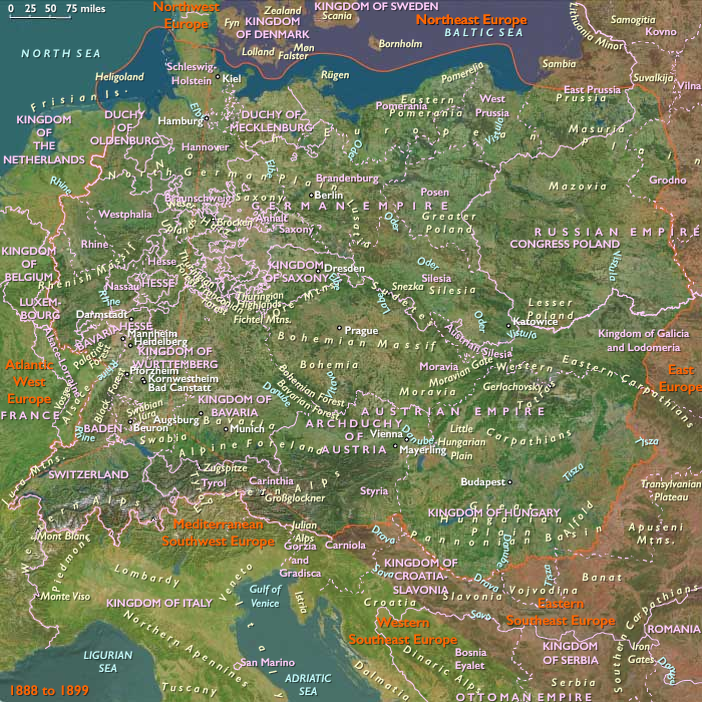
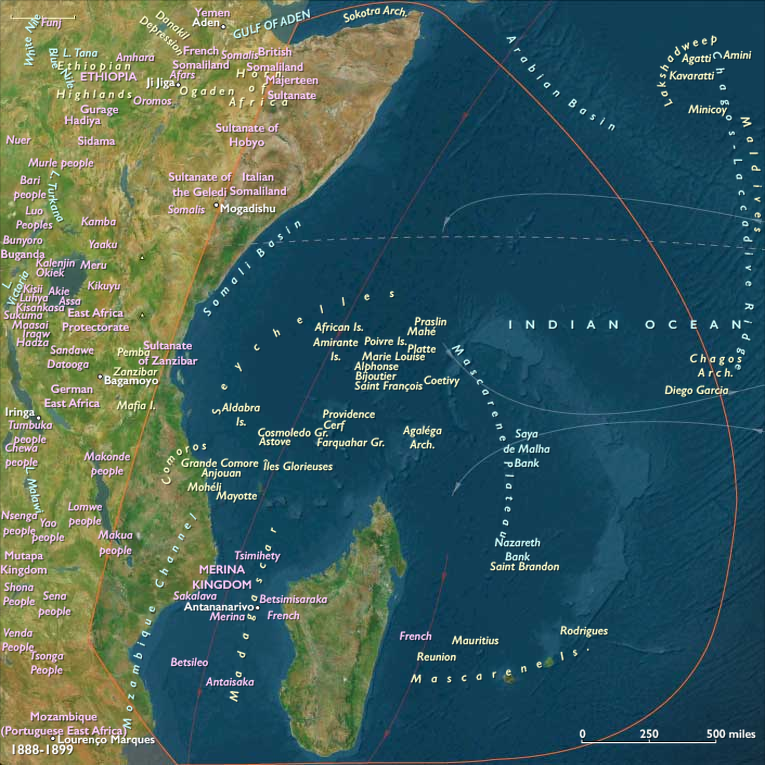
Britain cedes the Heligoland islands (in the German Bight) to Germany, in return for protectorates over Wituland and the Sultanate of Zanzibar (the islands of Pemba and Unguja) in east Africa, by the terms of the Heligoland-Zanzibar Treaty signed on July 1, 1890.
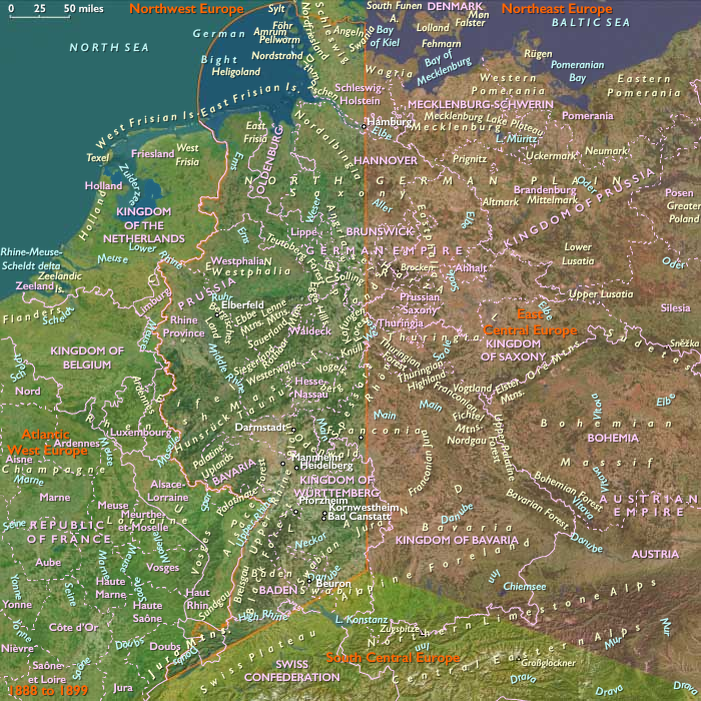
Germany thus gains the small but strategic Heligoland archipelago, which its new navy needs to control the new Kiel Canal and the approaches to Germany's North Sea ports.
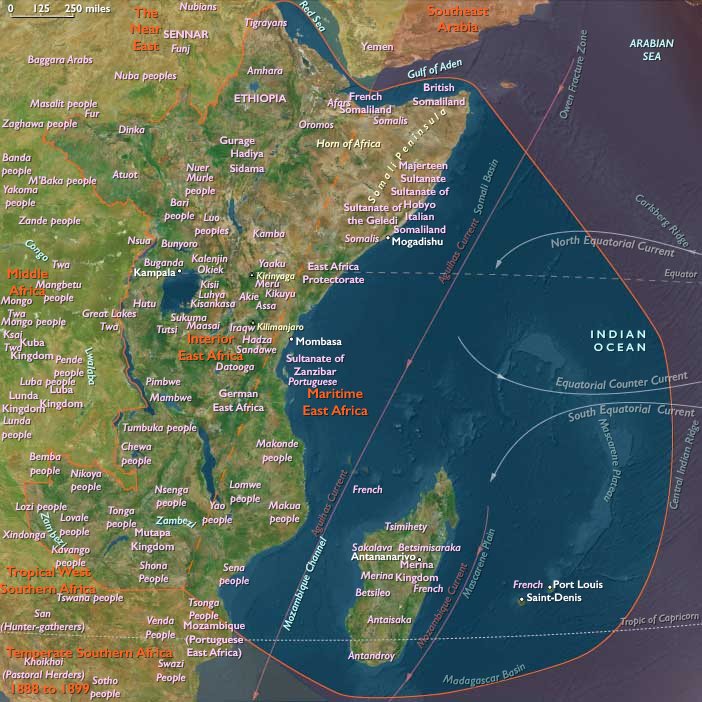
In exchange, Germany gives up its rights in the Zanzibar region in Africa, allowing Zanzibar to provide a key link in the British control of East Africa.
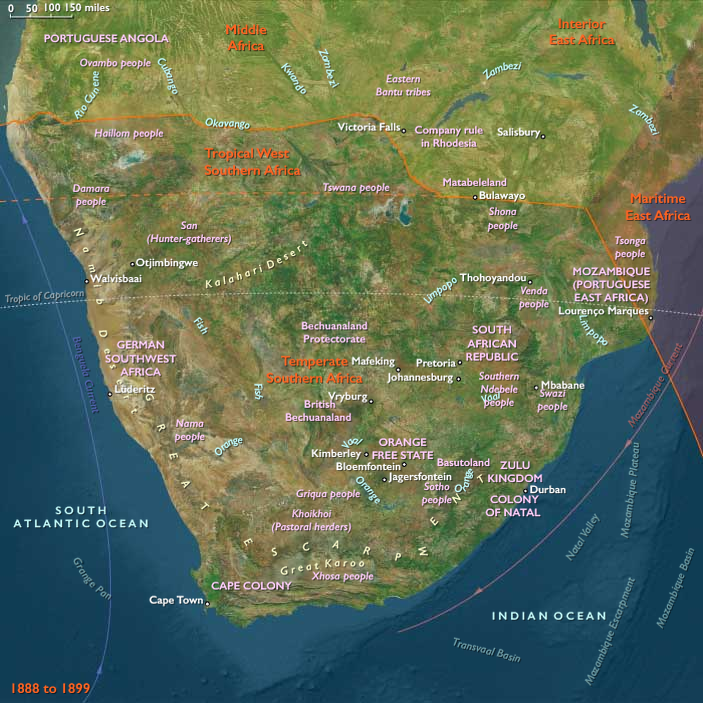
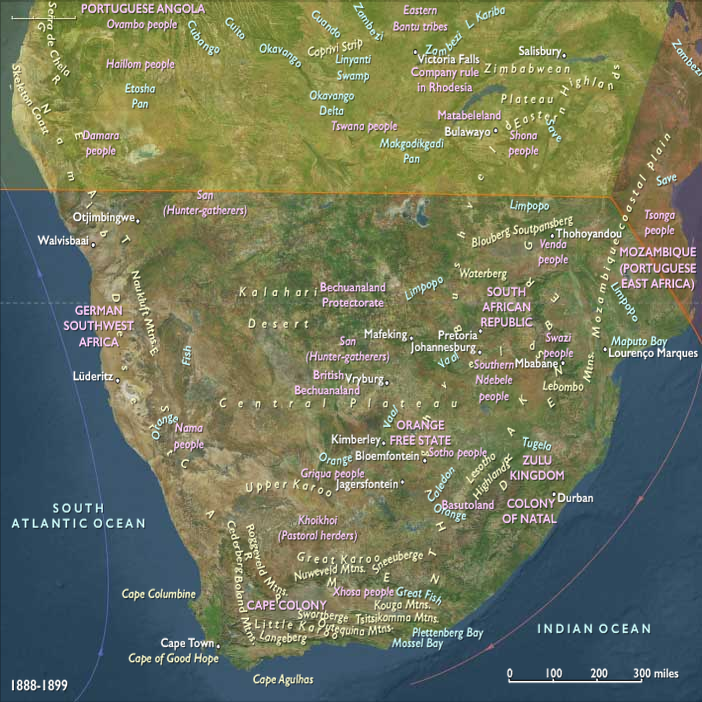
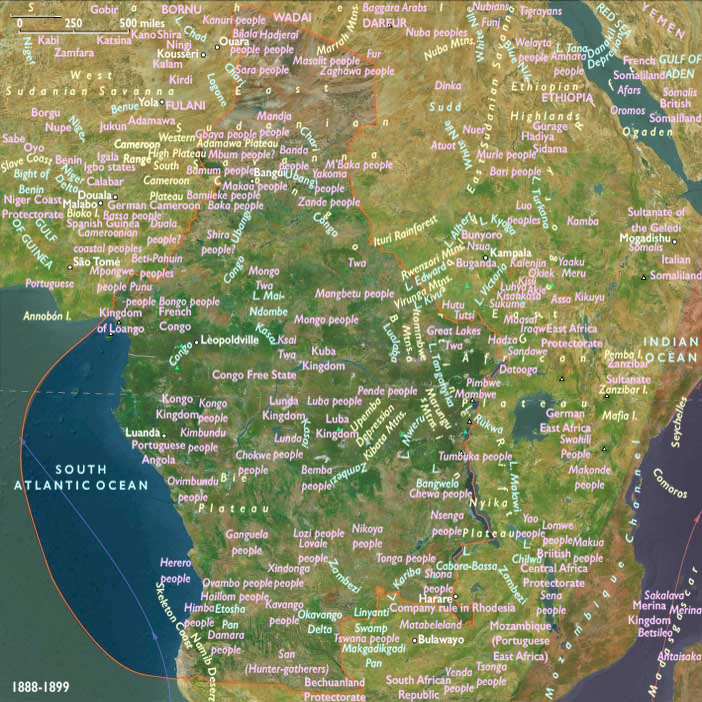
Germany gains the islands of Heligoland (German: Helgoland) in the North Sea, originally part of Danish Holstein-Gottorp but since 1814 a British possession, the so-called Caprivi Strip in what is now Namibia, and a free hand to control and acquire the coast of Dar es Salaam that will form the core of German East Africa (later Tanganyika, now the mainland component of Tanzania).
In exchange, Germany hands over to Britain the protectorate over the small sultanate of Wituland (Deutsch-Witu, on the Kenyan coast) and parts of East Africa vital for the British to build a railway to Lake Victoria, and pledges not to interfere with British actions vis-à-vis the independent Sultanate of Zanzibar (i.e. the islands of Unguja and Pemba)
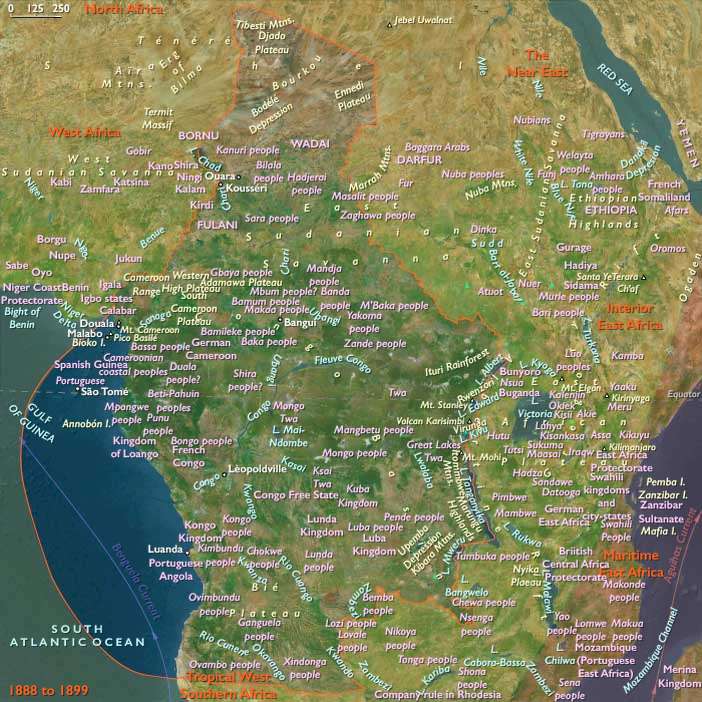
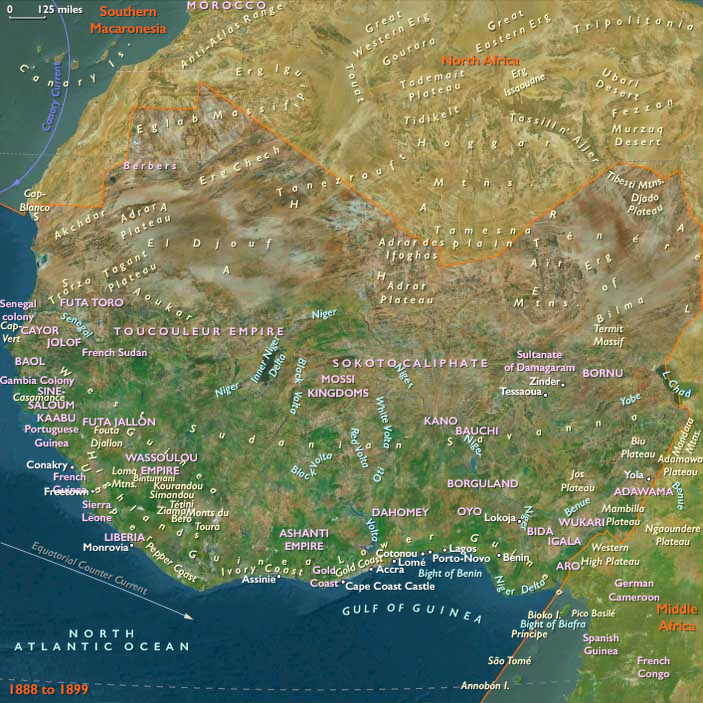
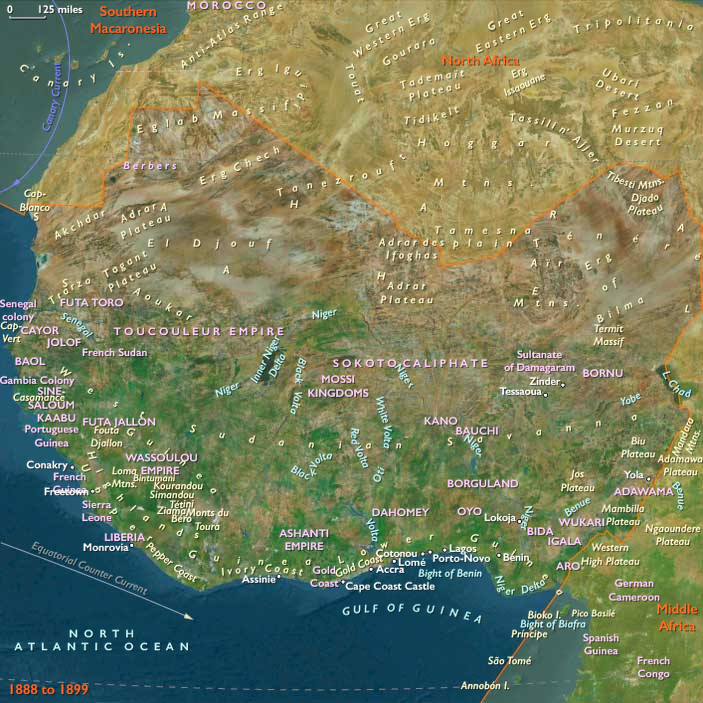
In addition, the treaty establishes the German sphere of interest in German South West Africa (most of present-day Namibia) and settles the borders between German Togoland and the British Gold Coast (now Ghana), as well as between German Kamerun and British Nigeria.
Britain thereby divests itself of a naval base that covers the approaches to the main German naval bases in the North Sea, but which will be impossible to defend as Germany builds up its navy.
It immediately declares a protectorate over Zanzibar and, in the subsequent 1896 Anglo-Zanzibar War, will gain full control of the sultanate.
The treaty serves German chancellor Leo von Caprivi's aims for settlement with the British.
After the 1884 Berlin Conference, Germany had already lost the "Scramble for Africa": the German East Africa Company under Carl Peters had acquired a strip of land on the Tanganyikan coast (leading to the 1888 Abushiri Revolt), but had never had any control over the islands of the Zanzibar sultanate; the Germans give away no vital interest.
In return, they acquire Heligoland, strategically placed for control over the German Bight, which, with the construction of the Kiel Canal from 1887 onward, has become essential to Emperor Wilhelm's II plans for expansion of the Imperial Navy.
Wilhelm's naval policies abort an accommodation with the British and will ultimately lead to a rapprochement between Britain and France, sealed with the Entente cordiale in 1904.
The misleading name for the treaty will be introduced by ex-Chancellor Otto von Bismarck, who intends to attack his despised successor Caprivi for concluding an agreement that Bismarck himself had arranged during his incumbency.
However, Bismarck's nomenclature implies that Germany has swapped an African empire for tiny Heligoland ("trousers for a button").
This will be eagerly adopted by imperialists, who will complain about "treason" against German interests.
Carl Peters and Alfred Hugenberg will appeal for the foundation of the Alldeutscher Verband ("Pan-German League"), which will take place in 1891.
Germany thus gains the small but strategic Heligoland archipelago, which its new navy needs to control the new Kiel Canal and the approaches to Germany's North Sea ports.
In exchange, Germany gives up its rights in the Zanzibar region in Africa, allowing Zanzibar to provide a key link in the British control of East Africa.
Germany gains the islands of Heligoland (German: Helgoland) in the North Sea, originally part of Danish Holstein-Gottorp but since 1814 a British possession, the so-called Caprivi Strip in what is now Namibia, and a free hand to control and acquire the coast of Dar es Salaam that will form the core of German East Africa (later Tanganyika, now the mainland component of Tanzania).
In exchange, Germany hands over to Britain the protectorate over the small sultanate of Wituland (Deutsch-Witu, on the Kenyan coast) and parts of East Africa vital for the British to build a railway to Lake Victoria, and pledges not to interfere with British actions vis-à-vis the independent Sultanate of Zanzibar (i.e. the islands of Unguja and Pemba)
In addition, the treaty establishes the German sphere of interest in German South West Africa (most of present-day Namibia) and settles the borders between German Togoland and the British Gold Coast (now Ghana), as well as between German Kamerun and British Nigeria.
Britain thereby divests itself of a naval base that covers the approaches to the main German naval bases in the North Sea, but which will be impossible to defend as Germany builds up its navy.
It immediately declares a protectorate over Zanzibar and, in the subsequent 1896 Anglo-Zanzibar War, will gain full control of the sultanate.
The treaty serves German chancellor Leo von Caprivi's aims for settlement with the British.
After the 1884 Berlin Conference, Germany had already lost the "Scramble for Africa": the German East Africa Company under Carl Peters had acquired a strip of land on the Tanganyikan coast (leading to the 1888 Abushiri Revolt), but had never had any control over the islands of the Zanzibar sultanate; the Germans give away no vital interest.
In return, they acquire Heligoland, strategically placed for control over the German Bight, which, with the construction of the Kiel Canal from 1887 onward, has become essential to Emperor Wilhelm's II plans for expansion of the Imperial Navy.
Wilhelm's naval policies abort an accommodation with the British and will ultimately lead to a rapprochement between Britain and France, sealed with the Entente cordiale in 1904.
The misleading name for the treaty will be introduced by ex-Chancellor Otto von Bismarck, who intends to attack his despised successor Caprivi for concluding an agreement that Bismarck himself had arranged during his incumbency.
However, Bismarck's nomenclature implies that Germany has swapped an African empire for tiny Heligoland ("trousers for a button").
This will be eagerly adopted by imperialists, who will complain about "treason" against German interests.
Carl Peters and Alfred Hugenberg will appeal for the foundation of the Alldeutscher Verband ("Pan-German League"), which will take place in 1891.
People
Groups
- Britain (United Kingdom of Great Britain and Ireland)
- Zanzibar, Omani Sultanate of
- German Empire (“Second Reich”)
- France (French republic); the Third Republic
- Gold Coast Crown Colony
- Gold Coast, British colony
- Togoland (Protectorate of Germany)
- Kamerun
- Southwest Africa, German
- East Africa, German
- British East Africa Company, Imperial
- Nigeria, Protectorate of Northern
- Zanzibar, (British) Protectorate of
Topics
Commodoties
Subjects
Regions
Subregions
Years: 1890 - 1890
July
People
Groups
- Britain (United Kingdom of Great Britain and Ireland)
- Zanzibar, Omani Sultanate of
- German Empire (“Second Reich”)
- France (French republic); the Third Republic
- Gold Coast Crown Colony
- Gold Coast, British colony
- Togoland (Protectorate of Germany)
- Kamerun
- Southwest Africa, German
- East Africa, German
- British East Africa Company, Imperial
- Nigeria, Protectorate of Northern
- Zanzibar, (British) Protectorate of
Topics
Commodoties
Subjects
Regions
Subregions