
The Struggle for Portugal’s Independence (1112–1128 CE) …
Years: 1108 - 1251
The Struggle for Portugal’s Independence (1112–1128 CE)
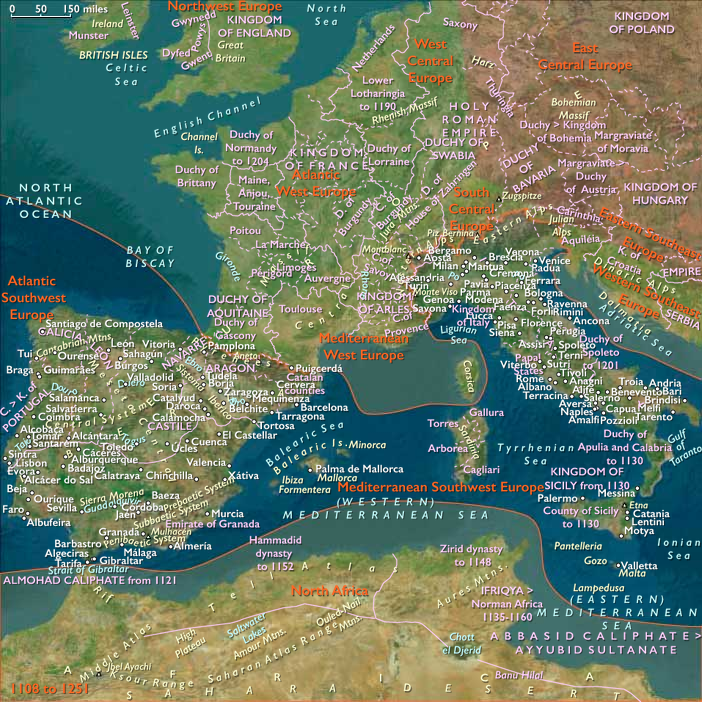
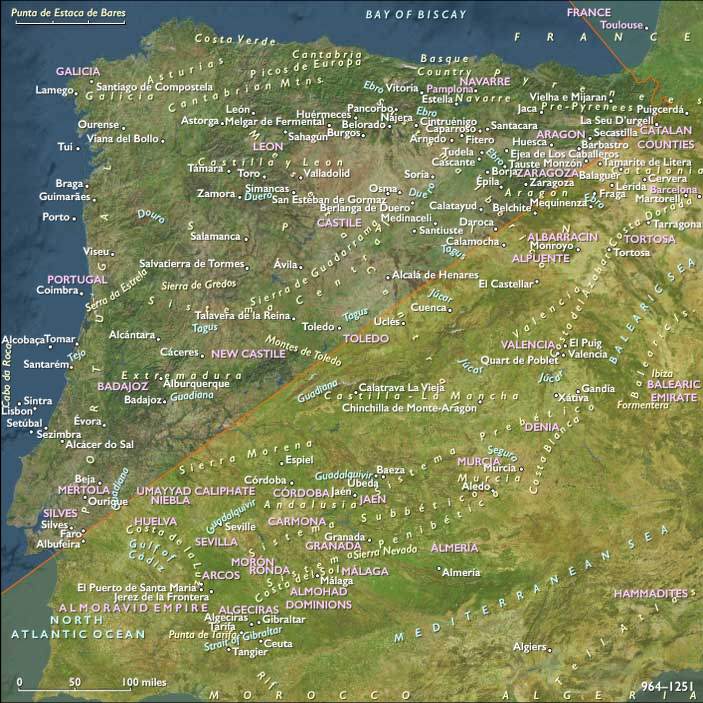
The death of Alfonso VI of León plunges his kingdom into civil war, with Aragonese, Galician, and Castilian barons vying for control. During this period of instability, Count Henry of Portugal wisely remains neutral and gradually withdraws from his feudal obligations to León.
Teresa’s Rule and Conflict with Alfonso VII (1112–1127)
Upon Henry’s death in 1112, his widow, Teresa, inherits the County of Portugal. Initially, she follows her late husband's policy of nonalignment.
However, once Alfonso VII emerges victorious in the struggle for the Leonese crown, he seeks to assert his suzerainty over Teresa, his aunt, and her Galician consort, Fernando Pérez de Traba.
Teresa refuses to do homage to Alfonso VII, leading to a six-week war in 1127, after which she is forced into submission.
Afonso Henriques Rebels Against Teresa (1128)
As Teresa’s fortunes decline, many of her Portuguese barons, who fear the loss of their power and independence, turn against her. They align themselves with her son, Afonso Henriques, who has recently armed himself as a knight.
On July 24, 1128, at the Battle of São Mamede near Guimarães, Afonso Henriques defeats his mother’s forces and expels her to Galicia, where she later dies in exile.
This victory grants Afonso Henriques full control over Portucalense, known in the vernacular as Portugal, paving the way for his later declaration of independence from León and the establishment of Portugal as a sovereign kingdom.
Locations
People
- Afonso I of Portugal
- Alfonso VI of León and Castile
- Alfonso VII of León and Castile
- Fernando Pérez de Traba
- Henry, Count of Portugal
- Theresa
Groups
Topics
Subjects
Regions
Subregions
Years: 1108 - 1251
Locations
People
- Afonso I of Portugal
- Alfonso VI of León and Castile
- Alfonso VII of León and Castile
- Fernando Pérez de Traba
- Henry, Count of Portugal
- Theresa
Groups
Topics
Subjects
Regions
Subregions