
Albrecht Dürer was born on May 21, …
Years: 1491 - 1491
Albrecht Dürer was born on May 21, 1471, the third child and second son of his parents, who will eventuallyy have between fourteen and eighteen children.
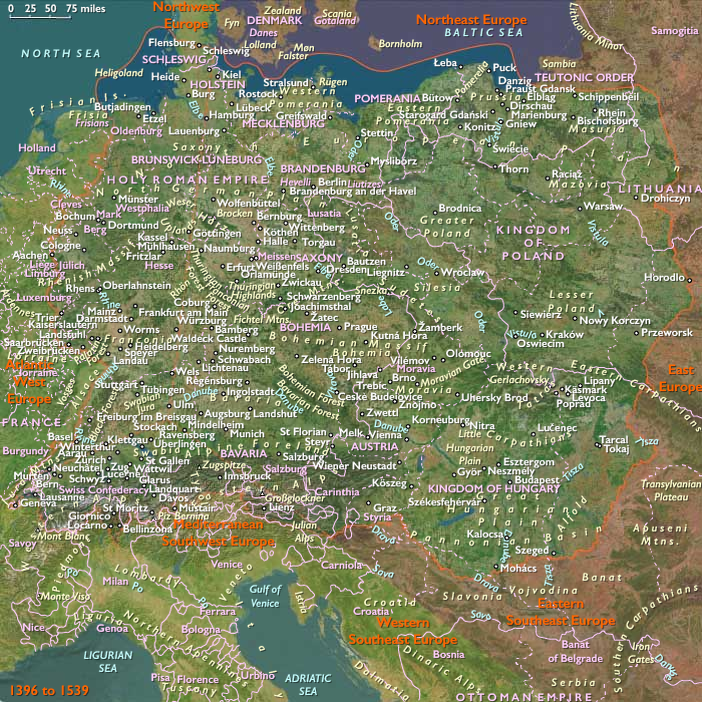
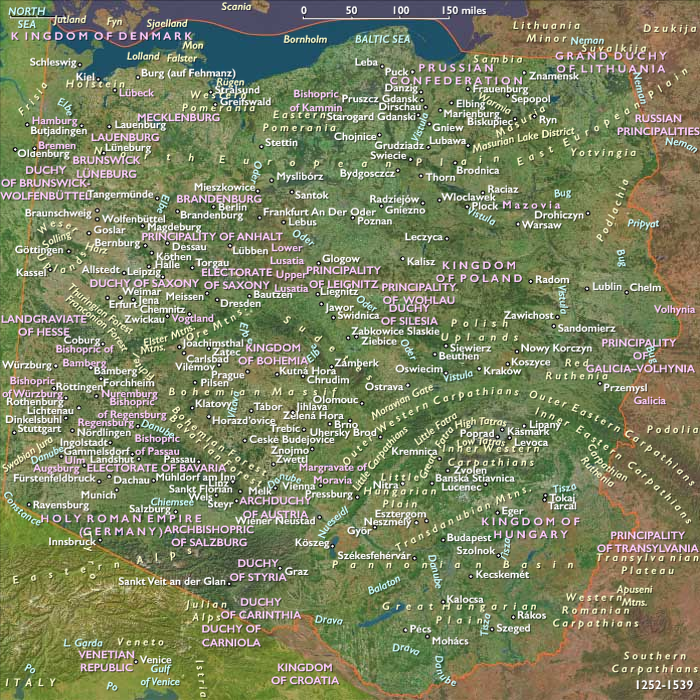
His father, Albrecht Dürer the Elder, is a successful goldsmith, originally Ajtósi, who in 1455 had moved to Nuremberg from Ajtós, near Gyula in Hungary.
The German name "Dürer" is a translation from the Hungarian, "Ajtósi" Initially, it was "Türer," meaning doormaker, which is "ajtós" in Hungarian (from "ajtó", meaning door).
A door is featured in the coat-of-arms the family acquired.
Albrecht Dürer the Younger later changed "Türer", his father's diction of the family's surname, to "Dürer", to adapt to the local Nuremberg dialect.
Albrecht Dürer the Elder had married Barbara Holper, the daughter of his master, when he himself became a master in 1467 Dürer's godfather is Anton Koberger, who left goldsmithing to become a printer and publisher in the year of Dürer's birth and had quickly become the most successful publisher in Germany, eventually owning twenty-four printing-presses and having many offices in Germany and abroad.
Koberger's most famous publication is the Nuremberg Chronicle, published in 1493 in German and Latin editions.
It contains an unprecedented 1,809 woodcut illustrations (albeit with many repeated uses of the same block) by the Wolgemut workshop.
Dürer may well have worked on some of these, as the work on the project began while he was with Wolgemut.
Because Dürer left autobiographical writings and became very famous by his mid-twenties, his life is well documented by several sources.
After a few years of school, Dürer started to learn the basics of goldsmithing and drawing from his father.
Though his father wanted him to continue his training as a goldsmith, he showed such a precocious talent in drawing that he started as an apprentice to the leading artist in Nuremberg, Michael Wolgemut at the age of fifteen in 1486.
Wolgemut has a large workshop producing a variety of works of art, in particular woodcuts for books.
His paintings reflect the influence of the Flemish realist school, especially the works of Rogier van der Weyden.
Wolgemut's workshop in Nuremberg famously illustrates, in 1491, the Schatzbehalter der wahren Reichthumer des Heils (Treasurechest), by Stephan Fridolin, printed and published by Germany's largest publisher, the Nuremberger Anton Koberger, who is also Dürer's godfather.
Dürer is already gone by this time: having completed his term of apprenticeship earlier in the year, he has followed the common German custom of taking Wanderjahre—in effect gap years —in which the apprentice learns skills from artists in other areas.
Locations
People
Groups
Topics
Subjects
Regions
Subregions
Years: 1491 - 1491
Locations
People
Groups
Topics
Subjects
Regions
Subregions