
Albert of Prussia was born in Ansbach …
Years: 1519 - 1519
Albert of Prussia was born in Ansbach in Franconia as the third son of Frederick I, Margrave of Brandenburg-Ansbach.
His mother is Sophia, daughter of Casimir IV Jagiellon, Grand Duke of Lithuania and King of Poland, and his wife Elisabeth of Austria.
Raised for a career in the Church, he had spent some time at the court of Hermann IV of Hesse, Elector of Cologne, who had appointed him canon of the Cologne Cathedral.
Not only is he quite religious, he is also interested in mathematics and science, and sometimes is claimed to have contradicted the teachings of the Church in favor of scientific theories.
His career has been forwarded by the Church however and institutions of the Catholic clerics had supported his early advance.
Turning to a more active life, Albert had accompanied Emperor Maximilian I to Italy in 1508, and after his return spent some time in the Kingdom of Hungary.
When Duke Frederick of Saxony, Grand Master of the Teutonic Order, died in December 1510, Albert had been chosen as his successor early in 1511 in the hope that his relationship to his maternal uncle Sigismund, Grand Duke of Lithuania and King of Poland, would facilitate a settlement of the disputes over eastern Prussia, which has been held by the Order under Polish suzerainty since the Second Peace of Thorn (1466).
The new Grand Master, aware of his duties to the empire and to the papacy, had refused to submit to the crown of Poland.
As war over the Order's existence appears inevitable, Albert has made strenuous efforts to secure allies and carried on protracted negotiations with Emperor Maximilian.
The ill-feeling, influenced by the ravages of members of the Order in Poland, culminates in a war that begins in December 1519 and devastates Prussia.
Locations
People
Groups
- Papal States (Republic of St. Peter)
- Christians, Roman Catholic
- Hungary, Kingdom of
- Poland of the Jagiellonians, Kingdom of
- Brandenburg, (Hohenzollern) Margravate of
- Holy Roman Empire
- Teutonic Knights of Prussia, or Monastic state of the Teutonic Knights (House of the Hospitalers of Saint Mary of the Teutons in Jerusalem)
Topics
Commodoties
Subjects
Regions
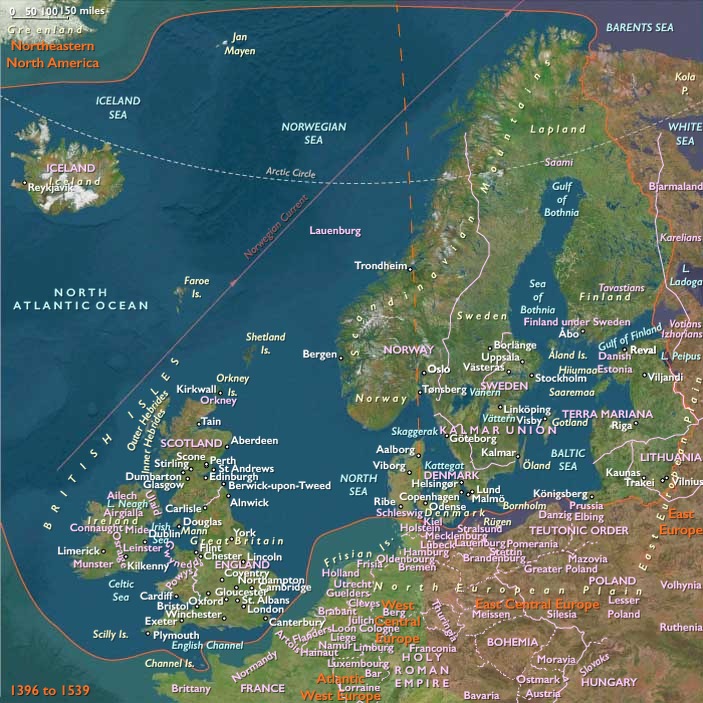
Subregions
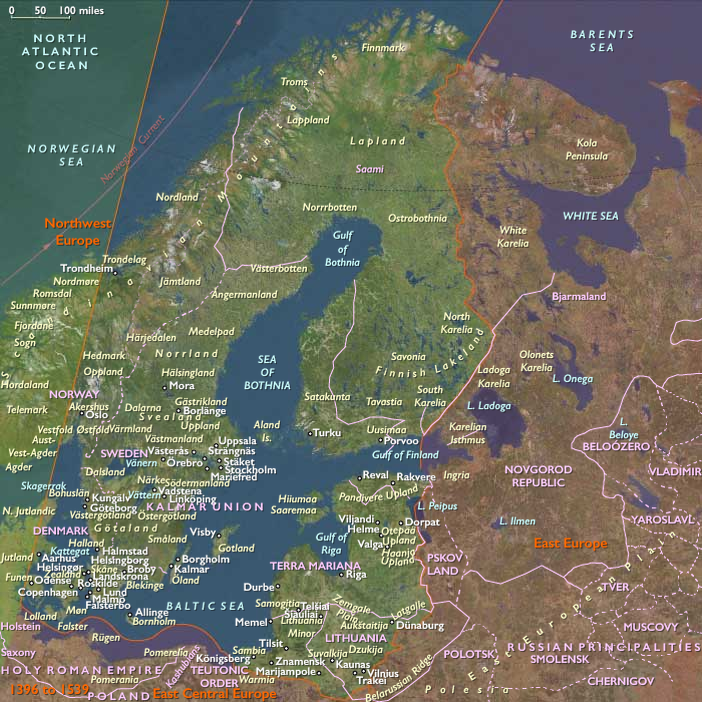
Related Events
Showing 10 events out of 38849 total
Years: 1519 - 1519
Locations
People
Groups
- Papal States (Republic of St. Peter)
- Christians, Roman Catholic
- Hungary, Kingdom of
- Poland of the Jagiellonians, Kingdom of
- Brandenburg, (Hohenzollern) Margravate of
- Holy Roman Empire
- Teutonic Knights of Prussia, or Monastic state of the Teutonic Knights (House of the Hospitalers of Saint Mary of the Teutons in Jerusalem)
Topics
Commodoties
Subjects
Regions
Subregions