
The British, after years of warfare, had …
Years: 1795 - 1795
August
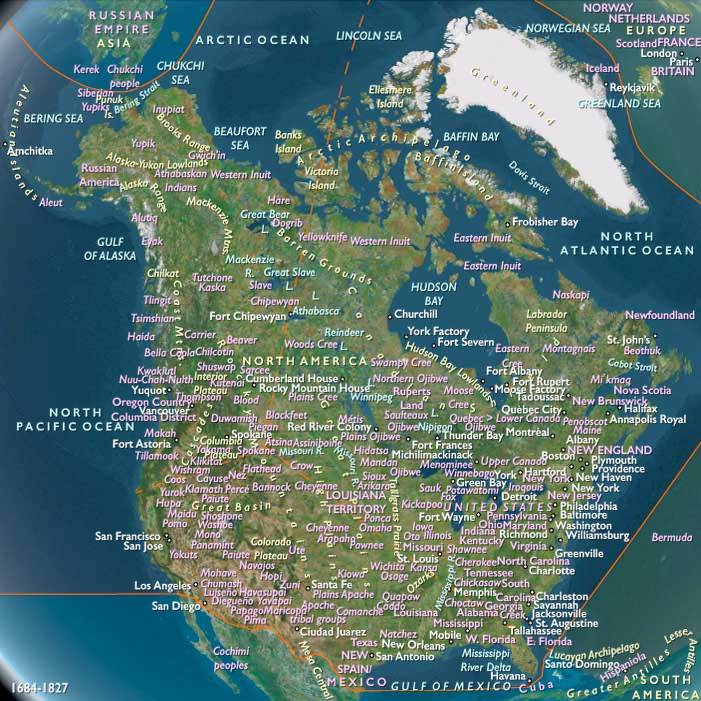
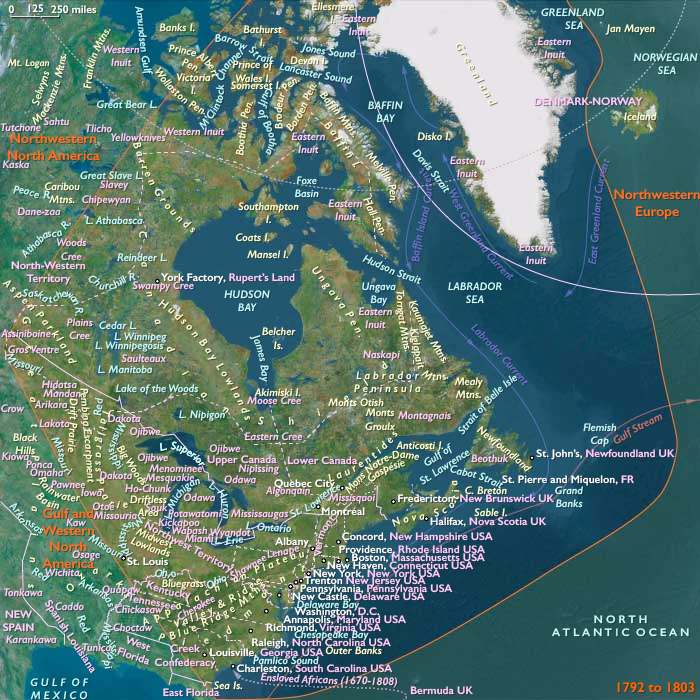
The British, after years of warfare, had failed to support the native confederacy of Shawnee, Ojibway, Potawatomi and Miami after the Battle of Fallen Timbers, and Buckongahelas signs the Treaty of Greenville on August 3, 1795.
By this treaty, which puts an end to the Northwest Indian War, his band and other Lenape cede much land in Pennsylvania and Ohio to the United States.
Native leaders who sign the treaty include leaders of these bands and tribes: Wyandot, Delaware (Lenape; several bands), Shawnee, Ottawa (several bands), Chippewa, Potawatomi (several bands), Miami (several bands), Wea, Kickapoo, and Kaskaskia.
At times, competing tribes tried to control the lands and villages, and it is not clear that the chiefs who sign the treaties have authority over the lands they were ceding.
General “Mad” Anthony Wayne has thus gained for the United States large parts of modern-day Ohio, the future site of downtown Chicago, the Fort Detroit area, the Maumee, Ohio Area, and the Lower Sandusky Ohio Area.
The treaty also establishes the "annuity" system: yearly grants of federal money and supplies of calico cloth to native tribes.
It institutionalizes continuing government influence in tribal affairs and gives outsiders considerable control over native life.
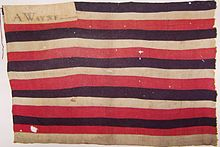
General Anthony Wayne presented this flag to the Miami chief She-Moc-E-Nish at the Treaty of Greenville. It is now held by the State of Indiana.
Locations
People
Groups
- Wyandot, or Wendat, or Huron people (Amerind tribe)
- Miami (Amerind tribe)
- Lenape or Lenni-Lenape (later named Delaware Indians by Europeans)
- Ojibwa, or Ojibwe, aka or Chippewa (Amerind tribe)
- Odawa, or Ottawa, people (Amerind tribe)
- Wea (Amerind tribe)
- Kaskaskia (Amerind tribe)
- Kickapoo people (Amerind tribe)
- Potawatomi (Amerind tribe)
- Shawnees, or Shawanos (Amerind tribe)
- Britain, Kingdom of Great
- Western Confederacy
- United States of America (US, USA) (Philadelphia PA)
Topics
Commodoties
Subjects
Regions
Subregions
Related Events
Showing 10 events out of 23345 total
Years: 1795 - 1795
August
General Anthony Wayne presented this flag to the Miami chief She-Moc-E-Nish at the Treaty of Greenville. It is now held by the State of Indiana.
Locations
People
Groups
- Wyandot, or Wendat, or Huron people (Amerind tribe)
- Miami (Amerind tribe)
- Lenape or Lenni-Lenape (later named Delaware Indians by Europeans)
- Ojibwa, or Ojibwe, aka or Chippewa (Amerind tribe)
- Odawa, or Ottawa, people (Amerind tribe)
- Wea (Amerind tribe)
- Kaskaskia (Amerind tribe)
- Kickapoo people (Amerind tribe)
- Potawatomi (Amerind tribe)
- Shawnees, or Shawanos (Amerind tribe)
- Britain, Kingdom of Great
- Western Confederacy
- United States of America (US, USA) (Philadelphia PA)
Topics
Commodoties
Subjects
Regions
Subregions