
Filters:
The roughly nine thousand enslaved Muslims in …
Years: 1749 - 1749
June
The roughly nine thousand enslaved Muslims in Hospitaller-ruled Malta in the mid-eighteenth century are given a substantial amount of freedom, being allowed to gather for prayers.
Laws prevent them from interacting with the Maltese people, but these are not regularly enforced.
Some of the enslaved also work as merchants, and at times are allowed to sell their wares in the streets and squares of Valletta.
Hungarian, Georgian and Maltese slaves on board the Ottoman ship Lupa had revolted in February 1748, taking over one hundred and fifty Ottomans prisoner, including Mustafa, the Pasha of Rhodes.
They had sailed the captured ship to Malta, where the prisoners were enslaved.
However, Mustafa had been placed under house arrest on the insistence of France due to the Franco-Ottoman alliance, and was eventually freed.
He has converted to Christianity and married a Maltese woman, so he is allowed to remain in Malta.
Mustafa plans to organize a slave revolt on June 29, 1749, the day of the feast of Saints Peter and Paul, during which a banquet is to be celebrated at the Grandmaster's Palace in Valletta.
Slaves are to poison the food at the banquet as well as within the inns, taverns, and other palaces.
After the banquet, a small group of slaves is to assassinate Grand Master Manuel Pinto da Fonseca in his sleep, while one hundred palace slaves overpower the guards.
They will then attack the Slaves' Prison to free the remaining Muslims, while others are to attack Fort Saint Elmo and take weapons from the armories.
The Ottoman Beys of Tunis, Tripoli and Algiers are to send a fleet that is to invade Malta upon receiving a signal from the rebels.
The plot is discovered on June 6, three weeks before it is to take place.
Three slaves had met in a coffee shop in Valletta to win the support of a Maltese guard to the Grand Master, and began to quarrel.
The shop owner, a Jew called Giuseppe Cohen, had overheard them mention the revolt and reported this information to the Grand Master.
The three slaves had been arrested, and they had revealed details of the plan after being tortured.
The leaders are subsequently arrested, and thirty-eight of them are tried and executed.
Some plotters reportedly convert and ask to be baptized just before being killed.
One hundred and twenty-five others are hanged in Palace Square in Valletta, while eight are branded with the letter R (for ribelli) on their forehead, and are condemned to the galleys for life.
On the insistence of France, Mustafa Pasha, who is behind the revolt, is not executed but is taken back to Rhodes on a French vessel.
Laws prevent them from interacting with the Maltese people, but these are not regularly enforced.
Some of the enslaved also work as merchants, and at times are allowed to sell their wares in the streets and squares of Valletta.
Hungarian, Georgian and Maltese slaves on board the Ottoman ship Lupa had revolted in February 1748, taking over one hundred and fifty Ottomans prisoner, including Mustafa, the Pasha of Rhodes.
They had sailed the captured ship to Malta, where the prisoners were enslaved.
However, Mustafa had been placed under house arrest on the insistence of France due to the Franco-Ottoman alliance, and was eventually freed.
He has converted to Christianity and married a Maltese woman, so he is allowed to remain in Malta.
Mustafa plans to organize a slave revolt on June 29, 1749, the day of the feast of Saints Peter and Paul, during which a banquet is to be celebrated at the Grandmaster's Palace in Valletta.
Slaves are to poison the food at the banquet as well as within the inns, taverns, and other palaces.
After the banquet, a small group of slaves is to assassinate Grand Master Manuel Pinto da Fonseca in his sleep, while one hundred palace slaves overpower the guards.
They will then attack the Slaves' Prison to free the remaining Muslims, while others are to attack Fort Saint Elmo and take weapons from the armories.
The Ottoman Beys of Tunis, Tripoli and Algiers are to send a fleet that is to invade Malta upon receiving a signal from the rebels.
The plot is discovered on June 6, three weeks before it is to take place.
Three slaves had met in a coffee shop in Valletta to win the support of a Maltese guard to the Grand Master, and began to quarrel.
The shop owner, a Jew called Giuseppe Cohen, had overheard them mention the revolt and reported this information to the Grand Master.
The three slaves had been arrested, and they had revealed details of the plan after being tortured.
The leaders are subsequently arrested, and thirty-eight of them are tried and executed.
Some plotters reportedly convert and ask to be baptized just before being killed.
One hundred and twenty-five others are hanged in Palace Square in Valletta, while eight are branded with the letter R (for ribelli) on their forehead, and are condemned to the galleys for life.
On the insistence of France, Mustafa Pasha, who is behind the revolt, is not executed but is taken back to Rhodes on a French vessel.
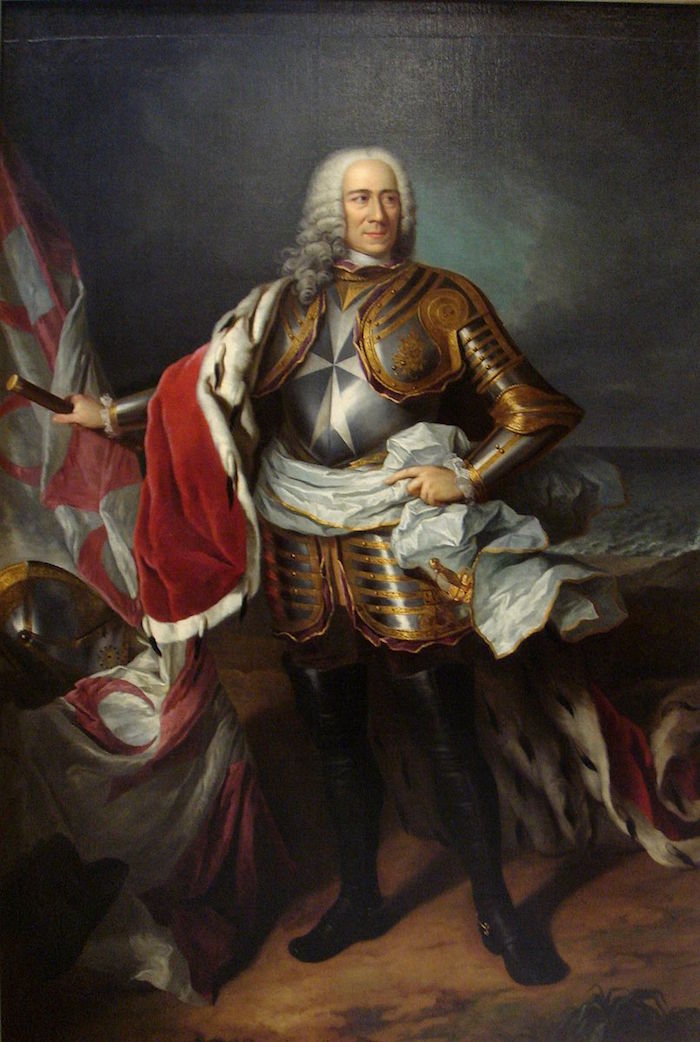
Pierre Bernard: Portrait of Emmanuel Pinto de Fonseca (18th century). Oil; Musée de l'Armée.
Locations
Groups
- Malta
- Ottoman Empire
- Knights of Malta, Sovereign and Military Order of the
- France, (Bourbon) Kingdom of
Topics
Commodoties
Subjects
Regions
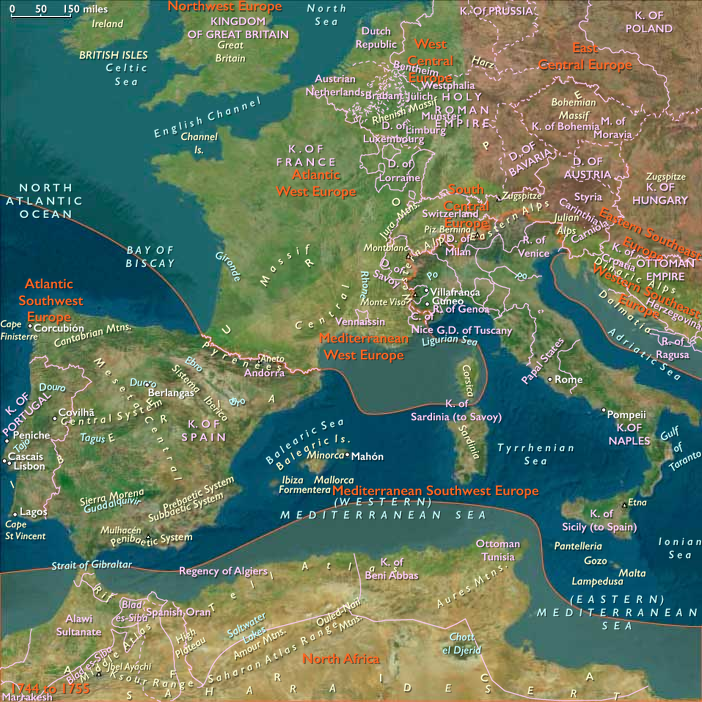
Subregions
Years: 1749 - 1749
June
Pierre Bernard: Portrait of Emmanuel Pinto de Fonseca (18th century). Oil; Musée de l'Armée.
Locations
Groups
- Malta
- Ottoman Empire
- Knights of Malta, Sovereign and Military Order of the
- France, (Bourbon) Kingdom of
Topics
Commodoties
Subjects
Regions
Subregions