
A war had erupted between cousins Louis …
Years: 1326 - 1326
A war had erupted between cousins Louis V of Germany and Frederick the Fair of Austria for the imperial crown after the death of Henry VII, Holy Roman Emperor, in August 1313.
The ambitious Pope John XXII sees himself as the ultimate judge and arbiter in the conflict.
When Louis V ignored papal decrees and assumed full imperial authority, the pope had excommunicated Louis and rallied European nobility against him.
The Margraviate of Brandenburg was ruled by the House of Ascania, which became extinct with the deaths of Waldemar in 1319 and Henry II in 1320.
The succession crisis caused a lot of confusion.
Louis V considered the margraviate vacant and, after his victory in the Battle of Mühldorf, appoints his son also named Louis as Margrave of Brandenburg in 1323.
That has created a common border between possessions of Louis V and Polish King Władysław I, who compete for influence in the Duchy of Silesia.
The Poles also regard Lubusz Land, which has been incorporated into Neumark (East Brandenburg), as their territory.
Thus, it does not take much encouragement from Pope John XXII to convince King Władysław to attack Brandenburg.
In late 1324 or early 1325, Gediminas of Lithuania had concluded a military alliance with Poland primarily directed against the Teutonic Knights, a crusading military order.
The alliance had been cemented by the marriage of Gediminas' daughter Aldona and Władysław's son Casimir.
In 1322, Gediminas had sent a letter to Pope John XXII with vague promises to convert to Christianity.
Seeing a potential new ally, the Pope had sent a delegation to Lithuania and by threat of excommunication had compelled the Teutonic Knights, who support Louis V of Germany, to make peace with Gediminas in August 1324.
The peace will remain in effect for four years until 1328.
On February 7, 1326, with the help of papal legates, Władysław I concludes an armistice at Łęczyca with the Teutonic Knights and three Masovian dukes which guarantees safe passage for the Lithuanian troops through Prussia and Masovia while they are in "Polish service".
The truce is to last to Christmas 1326 and, according to chronicler Detmar von Lübeck, papal legates even accompany the army to ensure the Knights observe the armistice.
On February 10, 1326, David of Hrodna leads twelve hundred Lithuanian men to join the Polish forces.
Locations
People
- Casimir III the Great
- Charles I of Hungary
- Elizabeth of Poland
- Frederick the Fair
- Gediminas
- John of Bohemia
- Louis IV
- Pope John XXII
- Wladyslaw I the Elbow-high
Groups
- Polytheism (“paganism”)
- Lithuanians (Eastern Balts)
- Christians, Roman Catholic
- Mazovia, Duchy of
- Silesia, Duchy of
- Austria, Archduchy of
- Bohemia, Kingdom of
- Hungary, Kingdom of
- Lithuania, Grand Duchy of
- Holy Roman Empire
- Teutonic Knights of Prussia, or Monastic state of the Teutonic Knights (House of the Hospitalers of Saint Mary of the Teutons in Jerusalem)
- Poland of the later Piasts, Kingdom of
- Brandenburg, Wittelsbach
Topics
Subjects
Regions
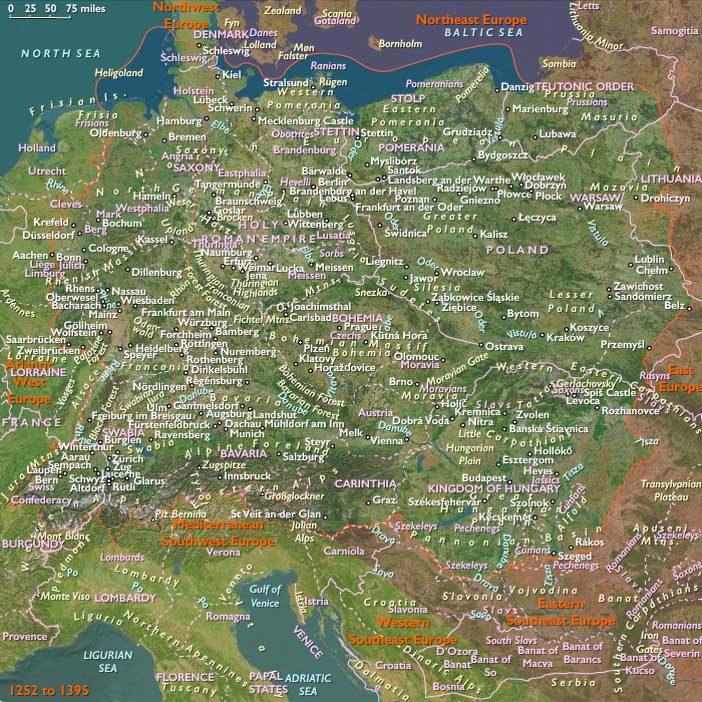
Subregions
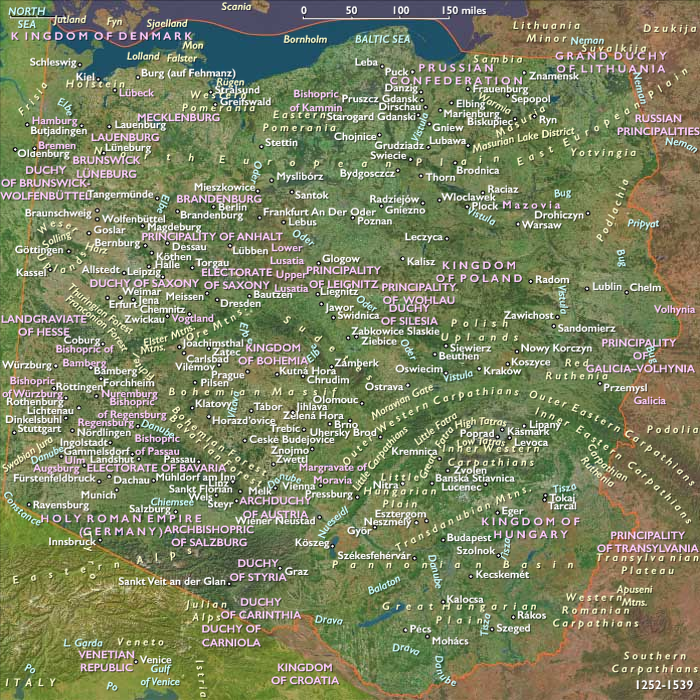
Related Events
Showing 10 events out of 44627 total
Years: 1326 - 1326
Locations
People
- Casimir III the Great
- Charles I of Hungary
- Elizabeth of Poland
- Frederick the Fair
- Gediminas
- John of Bohemia
- Louis IV
- Pope John XXII
- Wladyslaw I the Elbow-high
Groups
- Polytheism (“paganism”)
- Lithuanians (Eastern Balts)
- Christians, Roman Catholic
- Mazovia, Duchy of
- Silesia, Duchy of
- Austria, Archduchy of
- Bohemia, Kingdom of
- Hungary, Kingdom of
- Lithuania, Grand Duchy of
- Holy Roman Empire
- Teutonic Knights of Prussia, or Monastic state of the Teutonic Knights (House of the Hospitalers of Saint Mary of the Teutons in Jerusalem)
- Poland of the later Piasts, Kingdom of
- Brandenburg, Wittelsbach
Topics
Subjects
Regions
Subregions