
After the battle, Stephen sends four of …
Years: 1475 - 1475
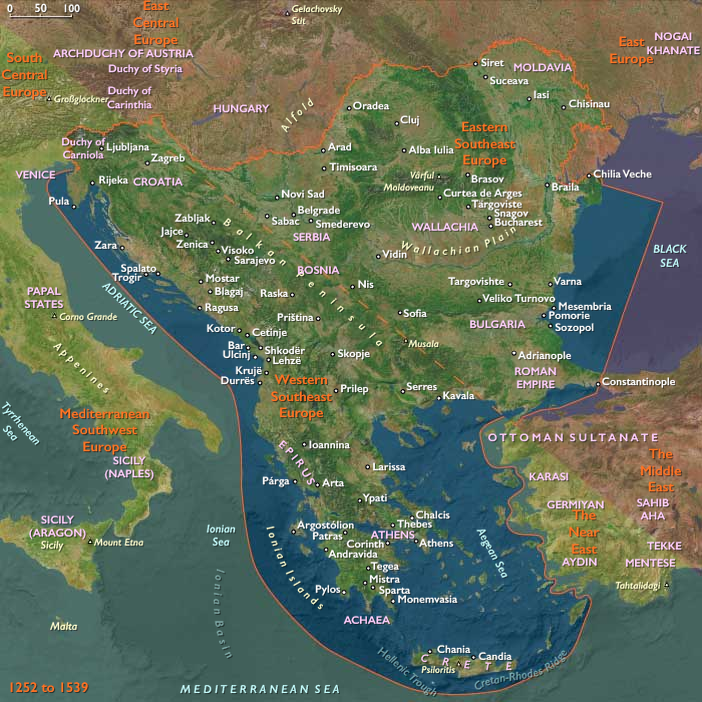
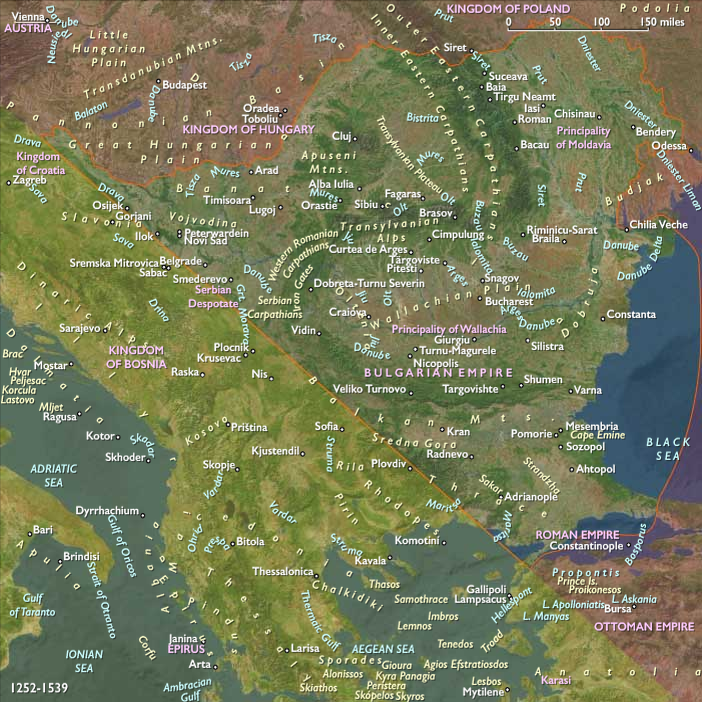
After the battle, Stephen sends four of the captured Turkish commanders, together with thirty-six of their standards and abundant booty, to King Casimir, and implores him to provide troops and money to support the Moldavians in the struggle against the Ottomans.
He also sends letters and a few prisoners and Turkish standards to the Pope and Hungarian King Matthias Corvinus, asking for support.
The Pope's reply to Stephen denies him help, but awards him with the "Athleta Christi", while King Casimir pleads poverty and does nothing; his own men then accuse him of sloth, and advise him to change his shameful behavior or hand over his rule to someone else.
Locations
People
- Basarab IV cel Tânăr
- Basarab Laiotă cel Bătrân
- Casimir IV Jagiellon
- Hadım Suleiman Pasha
- Matthias Corvinus
- Mehmed II
- Pope Sixtus IV
- Radu cel Frumos
- Stephen III of Moldavia
- Vlad the Impaler
Groups
- Hungarian people
- Oghuz Turks
- Bulgarians (South Slavs)
- Papal States (Republic of St. Peter)
- Romanians
- Poles (West Slavs)
- Genoa, (Most Serene) Republic of
- Székelys
- Hungary, Kingdom of
- Moldavia, Principality of
- Tatars
- Poland of the Jagiellonians, Kingdom of
- Wallachia, Principality of
- Ottoman Empire
Topics
Commodoties
Subjects
Regions
Subregions
Related Events
Showing 10 events out of 40831 total
Years: 1475 - 1475
Locations
People
- Basarab IV cel Tânăr
- Basarab Laiotă cel Bătrân
- Casimir IV Jagiellon
- Hadım Suleiman Pasha
- Matthias Corvinus
- Mehmed II
- Pope Sixtus IV
- Radu cel Frumos
- Stephen III of Moldavia
- Vlad the Impaler
Groups
- Hungarian people
- Oghuz Turks
- Bulgarians (South Slavs)
- Papal States (Republic of St. Peter)
- Romanians
- Poles (West Slavs)
- Genoa, (Most Serene) Republic of
- Székelys
- Hungary, Kingdom of
- Moldavia, Principality of
- Tatars
- Poland of the Jagiellonians, Kingdom of
- Wallachia, Principality of
- Ottoman Empire
Topics
Commodoties
Subjects
Regions
Subregions