
The real power had remained in Empress …
Years: 115 - 115
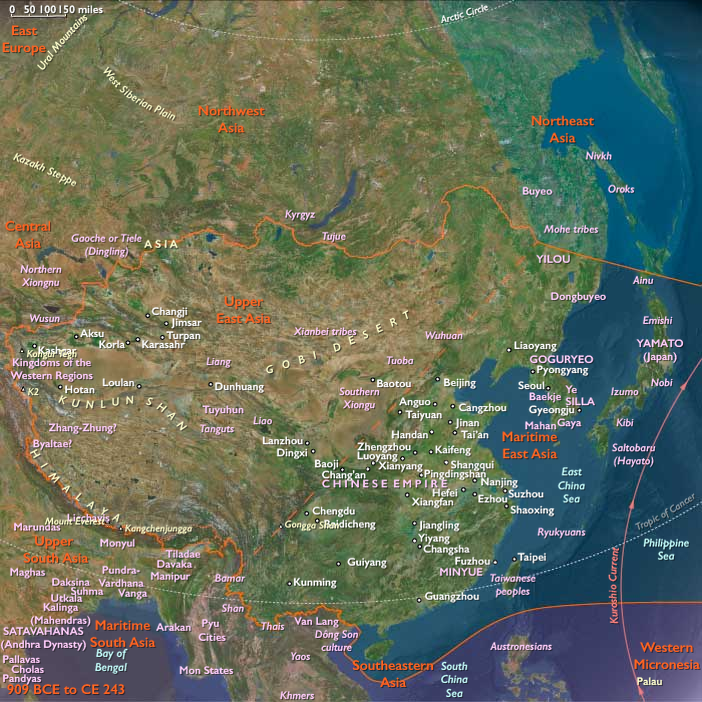
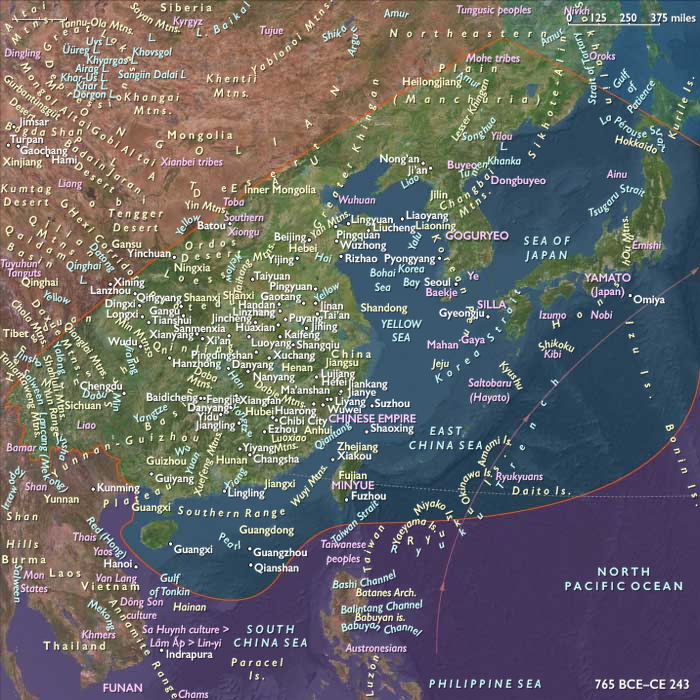
The real power had remained in Empress Dowager Deng's hands after Emperor Ān ascended the throne in 106, and his parents Prince Qing and Consort Gěng (who is sent by Empress Dowager Deng to join her husband in the Principality of Qinghe, in modern central Héběi) appear to have no influence on the administration.
Empress Dowager Deng is generally a capable ruler, and while there are natural disasters and wars with the Qiang and the Southern Xiōngnú, she generally copes with these emergencies well.
She also carries out many reforms of criminal law.
During her regency, Emperor Ān appears to have had minimal input into the affairs of state, meanwhile becoming heavily personally influenced by the eunuchs Jiāng Jīng and Lǐ Rùn, and even more so by his wet nurse Wáng Shèng.
He also is heavily influenced by his favorite, Yán Jī, whom he creates empress in 115—even though she had poisoned to death one of his other consorts, Consort Li, who had in the same given birth to his only son Liú Bǎo.
While these individuals lack real power as long as Empress Dowager Deng lives, they have long planned to take power as soon as she is no longer alive.
Empress Dowager Deng is somewhat aware of these plans and is offended; she is also disappointed that Emperor Ān, who had been considered a precocious and intelligent child, had neglected his studies and has become interested only in drinking and women.
It is suspected that at some point, she even considered replacing the emperor with his cousin Liú Yì, the Prince of Pingyuan, but then decides against it.
Locations
People
Groups
Topics
Commodoties
Subjects
Regions
Subregions
Related Events
Showing 10 events out of 61243 total
Years: 115 - 115
Locations
People
Groups
Topics
Commodoties
Subjects
Regions
Subregions