
Filters:
The Protestant Reformation had spread rapidly in …
Years: 1564 - 1575
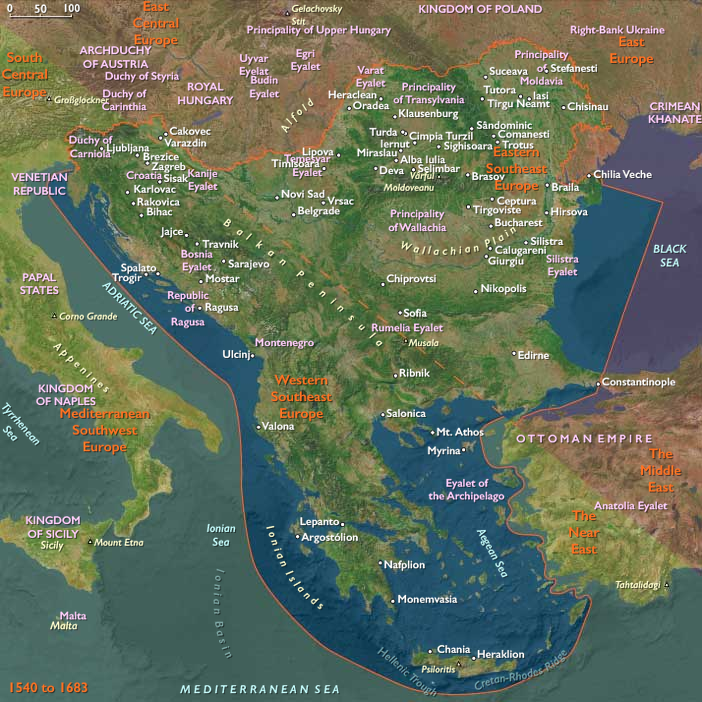
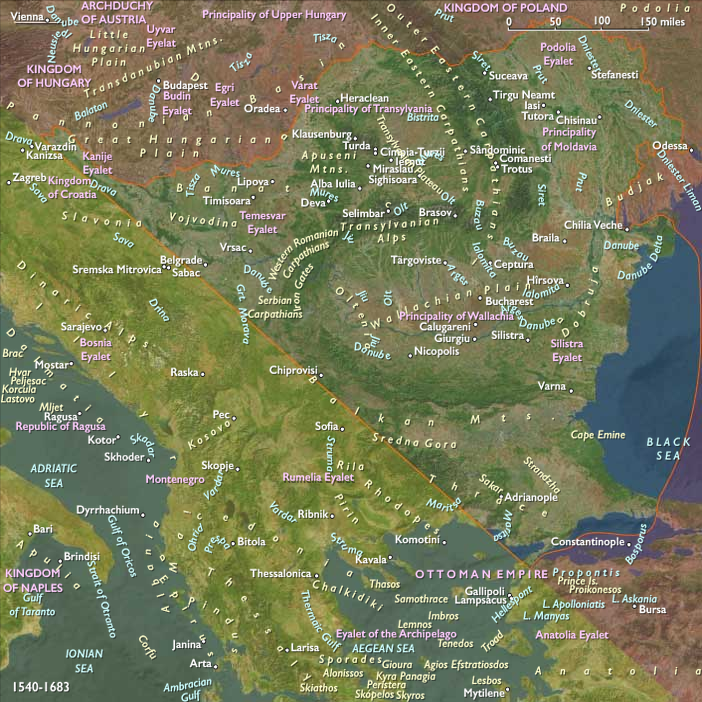
The Protestant Reformation had spread rapidly in Transylvania after Hungary's collapse, and the region becomes one of Europe's Protestant strongholds.
Transylvania's Germans adopt Lutheranism, and many Hungarians convert to Calvinism.
However, the Protestants, who print and distribute catechisms in the Romanian language, fail to lure many Romanians from Orthodoxy.
In 1571 the Transylvanian Diet approves a law guaranteeing freedom of worship and equal rights for Transylvania's four "received" religions: Roman Catholic, Lutheran, Calvinist, and Unitarian.
The law is one of the first of its kind in Europe, but the religious equality it proclaims is limited.
Orthodox Romanians, for example, are free to worship, but their church is not recognized as a received religion.
Transylvania's Germans adopt Lutheranism, and many Hungarians convert to Calvinism.
However, the Protestants, who print and distribute catechisms in the Romanian language, fail to lure many Romanians from Orthodoxy.
In 1571 the Transylvanian Diet approves a law guaranteeing freedom of worship and equal rights for Transylvania's four "received" religions: Roman Catholic, Lutheran, Calvinist, and Unitarian.
The law is one of the first of its kind in Europe, but the religious equality it proclaims is limited.
Orthodox Romanians, for example, are free to worship, but their church is not recognized as a received religion.
Locations
Groups
- Transylvania, region of
- Hungarian people
- Romanians
- Christians, Eastern Orthodox
- Christians, Roman Catholic
- Saxons, Transylvanian
- Székelys
- Moldavia, Principality of
- Wallachia (Ottoman vassal), Principality of
- Union of Three Nations
- Transylvania (Hungarian governate)
- Turkish people
- Ottoman Empire
- Lutheranism
- Protestantism
- Hungary, Royal
- Habsburg Monarchy, or Empire
- Calvinists
- Hungary (Transylvania), Ottoman vassal Kingdom of
- Moldavia (Ottoman vassal), Principality of
Topics
Subjects
Regions
Subregions
Years: 1564 - 1575
Locations
Groups
- Transylvania, region of
- Hungarian people
- Romanians
- Christians, Eastern Orthodox
- Christians, Roman Catholic
- Saxons, Transylvanian
- Székelys
- Moldavia, Principality of
- Wallachia (Ottoman vassal), Principality of
- Union of Three Nations
- Transylvania (Hungarian governate)
- Turkish people
- Ottoman Empire
- Lutheranism
- Protestantism
- Hungary, Royal
- Habsburg Monarchy, or Empire
- Calvinists
- Hungary (Transylvania), Ottoman vassal Kingdom of
- Moldavia (Ottoman vassal), Principality of
Topics
Subjects
Regions
Subregions