
Filters:
After a brilliant campaign by the Australian …
Years: 1949 - 1949
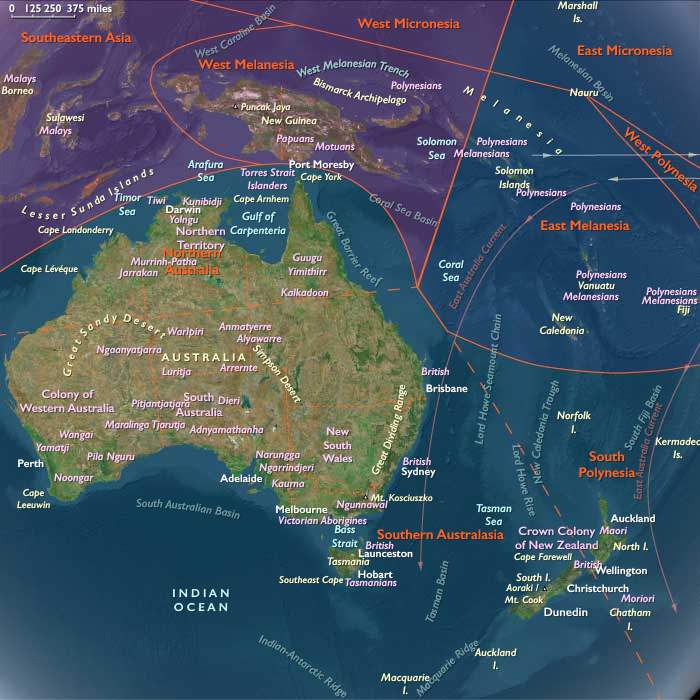
After a brilliant campaign by the Australian Liberal party, Robert Menzies defeats Labor’s Chifley and returns as prime minister in 1949.
Related Events
Filter results
Showing 10 events out of 17 total
Some British colonial officials in southern Sudan had responded to the Sudan Administrative Conference by charging that northern agitation had influenced the conferees and that no voice had been heard at the conference in support of retaining the separate development policy.
These British officers had argued that northern domination of the south would result in a southern rebellion against the government.
Khartoum had therefore convened a conference at Juba to allay the fears of southern leaders and British officials in the south and to assure them that a post-independence government would safeguard southern political and cultural rights.
Despite these promises, an increasing number of southerners express concern that northerners will overwhelm them.
In particular, they resent the imposition of Arabic as the official language of administration, which deprives most of the few educated English-speaking southerners of the opportunity to enter public service.
They also feel threatened by the replacement of trusted British district commissioners with unsympathetic northerners.
After the government replaces several hundred colonial officials with Sudanese, only four of whom are southerners, the southern elite abandons hope of a peaceful, unified, independent Sudan.
View Event
These British officers had argued that northern domination of the south would result in a southern rebellion against the government.
Khartoum had therefore convened a conference at Juba to allay the fears of southern leaders and British officials in the south and to assure them that a post-independence government would safeguard southern political and cultural rights.
Despite these promises, an increasing number of southerners express concern that northerners will overwhelm them.
In particular, they resent the imposition of Arabic as the official language of administration, which deprives most of the few educated English-speaking southerners of the opportunity to enter public service.
They also feel threatened by the replacement of trusted British district commissioners with unsympathetic northerners.
After the government replaces several hundred colonial officials with Sudanese, only four of whom are southerners, the southern elite abandons hope of a peaceful, unified, independent Sudan.
The hostility of Sudan's southerners toward the northern Arab majority surfaces violently when southern army units mutiny in August 1955 to protest their transfer to garrisons under northern officers.
The rebellious troops kill several hundred northerners, including government officials, army officers, and merchants
The government quickly suppresses the revolt and eventually executes seventy southerners for sedition, but this harsh reaction fails to pacify the south, as some of the mutineers escape to remote areas and organize resistance to the Arab-dominated government of Sudan.
In particular, they resent the imposition of Arabic as the official language of administration, which deprives most of the few educated English-speaking southerners of the opportunity to enter public service.
They also feel threatened by the replacement of trusted British district commissioners with unsympathetic northerners.
After the government replaces several hundred colonial officials with Sudanese, only four of whom are southerners, the southern elite abandons hope of a peaceful, unified, independent Sudan.
View Event
The rebellious troops kill several hundred northerners, including government officials, army officers, and merchants
The government quickly suppresses the revolt and eventually executes seventy southerners for sedition, but this harsh reaction fails to pacify the south, as some of the mutineers escape to remote areas and organize resistance to the Arab-dominated government of Sudan.
In particular, they resent the imposition of Arabic as the official language of administration, which deprives most of the few educated English-speaking southerners of the opportunity to enter public service.
They also feel threatened by the replacement of trusted British district commissioners with unsympathetic northerners.
After the government replaces several hundred colonial officials with Sudanese, only four of whom are southerners, the southern elite abandons hope of a peaceful, unified, independent Sudan.
The Sudanese electorate gives a plurality in both houses to the Umma and an overall majority to the Umma-PDP coalition.
The NUP, however, wins nearly one-quarter of the seats, largely from urban centers and from Gezira Scheme agricultural workers.
In the Sudanese south, the vote represents a rejection of the men who had cooperated with the government—voters defeat all three southerners in the preelection cabinet—and a victory for advocates of autonomy within a federal system.
Resentment against the government's taking over mission schools and against the measures used in suppressing the 1955 mutiny contributes to the election of several candidates who had been implicated in the rebellion.
View Event
The NUP, however, wins nearly one-quarter of the seats, largely from urban centers and from Gezira Scheme agricultural workers.
In the Sudanese south, the vote represents a rejection of the men who had cooperated with the government—voters defeat all three southerners in the preelection cabinet—and a victory for advocates of autonomy within a federal system.
Resentment against the government's taking over mission schools and against the measures used in suppressing the 1955 mutiny contributes to the election of several candidates who had been implicated in the rebellion.
Southern Sudanese leaders had in 1963 renewed the armed struggle against the Sudanese government that had continued sporadically since 1955.
The rebellion has been spearheaded from 1963 by guerrilla forces known as the Anyanya (the name of a poisonous concoction).
View Event
The rebellion has been spearheaded from 1963 by guerrilla forces known as the Anyanya (the name of a poisonous concoction).
Two political parties have emerged to represent the south.
The SANU, founded in 1963 and led by William Deng and Saturino Lahure, a Roman Catholic priest, operates among refugee groups and guerrilla forces.
The Southern Front, a mass organization led by Stanislaus Payasama that had worked underground during the Abboud government, functions openly within the southern provinces.
After the collapse of government-sponsored peace conferences in 1965, Deng's wing of SANU—known locally as SANU-William—and the Southern Front coalesce to take part in the parliamentary elections.
The grouping will remain active in parliament for the next four years as a voice for southern regional autonomy within a unified state.
Exiled SANU leaders balk at Deng's moderate approach to form the Azania Liberation Front based in Kampala, Uganda.
Anyanya leaders tend to remain aloof from political movements.
The guerrillas are fragmented by ethnic and religious differences.
Additionally, conflicts resurface within Anyanya between older leaders who had been in the bush since 1955, and younger, better educated men like Joseph Lagu, a former Sudanese army captain, who will eventually become a stronger leader, largely because of his ability to get arms from Israel.
View Event
The SANU, founded in 1963 and led by William Deng and Saturino Lahure, a Roman Catholic priest, operates among refugee groups and guerrilla forces.
The Southern Front, a mass organization led by Stanislaus Payasama that had worked underground during the Abboud government, functions openly within the southern provinces.
After the collapse of government-sponsored peace conferences in 1965, Deng's wing of SANU—known locally as SANU-William—and the Southern Front coalesce to take part in the parliamentary elections.
The grouping will remain active in parliament for the next four years as a voice for southern regional autonomy within a unified state.
Exiled SANU leaders balk at Deng's moderate approach to form the Azania Liberation Front based in Kampala, Uganda.
Anyanya leaders tend to remain aloof from political movements.
The guerrillas are fragmented by ethnic and religious differences.
Additionally, conflicts resurface within Anyanya between older leaders who had been in the bush since 1955, and younger, better educated men like Joseph Lagu, a former Sudanese army captain, who will eventually become a stronger leader, largely because of his ability to get arms from Israel.
The origins of the civil war in the south date back to the 1950s.
On August 18, 1955, the Equatoria Corps, a military unit composed of southerners, had mutinied at Torit.
Rather than surrender to Sudanese government authorities, many mutineers had disappeared into hiding with their weapons, marking the beginning of the first war in southern Sudan.
By the late 1960s, the war has resulted in the deaths of about five hundred thousand people.
Several hundred thousand more southerners hide in the forests or escape to refugee camps in neighboring countries.
By 1969 the rebels have developed foreign contacts to obtain weapons and supplies.
Israel, for example, trains Anyanya recruits and ships weapons via Ethiopia and Uganda to the rebels.
The Anyanya also purchases arms from Congolese rebels and international arms dealers with monies collected in the south and from among southern Sudanese exile communities in the Middle East, Western Europe, and North America.
The rebels also capture arms, equipment, and supplies from government troops.
Militarily, the Anyanya controls much of the southern countryside while government forces occupy the region's major towns.
The guerrillas operate at will from remote camps.
However, rebel units are too small and scattered to be highly effective in any single area.
Estimates of Anyanya personnel strength ranged from five thousand to ten thousand.
View Event
On August 18, 1955, the Equatoria Corps, a military unit composed of southerners, had mutinied at Torit.
Rather than surrender to Sudanese government authorities, many mutineers had disappeared into hiding with their weapons, marking the beginning of the first war in southern Sudan.
By the late 1960s, the war has resulted in the deaths of about five hundred thousand people.
Several hundred thousand more southerners hide in the forests or escape to refugee camps in neighboring countries.
By 1969 the rebels have developed foreign contacts to obtain weapons and supplies.
Israel, for example, trains Anyanya recruits and ships weapons via Ethiopia and Uganda to the rebels.
The Anyanya also purchases arms from Congolese rebels and international arms dealers with monies collected in the south and from among southern Sudanese exile communities in the Middle East, Western Europe, and North America.
The rebels also capture arms, equipment, and supplies from government troops.
Militarily, the Anyanya controls much of the southern countryside while government forces occupy the region's major towns.
The guerrillas operate at will from remote camps.
However, rebel units are too small and scattered to be highly effective in any single area.
Estimates of Anyanya personnel strength ranged from five thousand to ten thousand.
Sudanese government operations against the rebels decline after the 1969 coup.
However, when negotiations failed to result in a settlement, Khartoum had increased troop strength in the south to about twelve thousand in 1969, and had intensified military activity throughout the region.
Although the Soviet Union had concluded a US$100 million to US$150 million arms agreement with Sudan in August 1968, which included T-55 tanks, armored personnel carriers, and aircraft, the nation had failed to deliver any equipment to Khartoum by May 1969.
During this period, Sudan had obtained some Soviet-manufactured weapons from Egypt, most of which went to the Sudanese air force.
By the end of 1969, however, the Soviet Union had shipped unknown quantities of 85mm antiaircraft guns, sixteen MiG-21s, and five AN-24 transport aircraft.
Over the next two years, the Soviet Union will deliver an impressive array of equipment to Sudan, including T-54 and T-55 tanks; and BTR-40 and BTR-152 light armored vehicles.
View Event
However, when negotiations failed to result in a settlement, Khartoum had increased troop strength in the south to about twelve thousand in 1969, and had intensified military activity throughout the region.
Although the Soviet Union had concluded a US$100 million to US$150 million arms agreement with Sudan in August 1968, which included T-55 tanks, armored personnel carriers, and aircraft, the nation had failed to deliver any equipment to Khartoum by May 1969.
During this period, Sudan had obtained some Soviet-manufactured weapons from Egypt, most of which went to the Sudanese air force.
By the end of 1969, however, the Soviet Union had shipped unknown quantities of 85mm antiaircraft guns, sixteen MiG-21s, and five AN-24 transport aircraft.
Over the next two years, the Soviet Union will deliver an impressive array of equipment to Sudan, including T-54 and T-55 tanks; and BTR-40 and BTR-152 light armored vehicles.
Joseph Lagu, who had become the leader of southern forces opposed to Khartoum, proclaims the creation of the Southern Sudan Liberation Movement (SSLM) in 1971.
Anyanya leaders unite behind him, and nearly all exiled southern politicians support the SSLM.
Although the SSLM creates a governing infrastructure throughout many areas of southern Sudan, real power remains with Anyanya, with Lagu at its head.
Despite his political problems, Nimeiry remains committed to ending the southern insurgency.
He believes he can stop the fighting and stabilize the region by granting regional self-government and undertaking economic development in the south.
By October 1971, Khartoum has established contact with the SSLM.
View Event
Anyanya leaders unite behind him, and nearly all exiled southern politicians support the SSLM.
Although the SSLM creates a governing infrastructure throughout many areas of southern Sudan, real power remains with Anyanya, with Lagu at its head.
Despite his political problems, Nimeiry remains committed to ending the southern insurgency.
He believes he can stop the fighting and stabilize the region by granting regional self-government and undertaking economic development in the south.
By October 1971, Khartoum has established contact with the SSLM.
The civil war in southern Sudan is reignited in 1983 following the government's Islamification policy, which would have instituted Islamic law, among other things.
After several years of fighting, the government will compromise with southern groups.
View Event
After several years of fighting, the government will compromise with southern groups.
The Sudanese Civil War displaces more than four million southerners.
Some flee into southern cities, such as Juba; others trek as far north as Khartoum and even into Ethiopia, Kenya, Uganda, Egypt, and other neighboring countries.
These people are unable to grow food or earn money to feed themselves, and malnutrition and starvation become widespread.
The lack of investment in the south results as well in what international humanitarian organizations call a "lost generation" who lack educational opportunities, access to basic health care services, and little prospects for productive employment in the small and weak economies of the south or the north.
View Event
Some flee into southern cities, such as Juba; others trek as far north as Khartoum and even into Ethiopia, Kenya, Uganda, Egypt, and other neighboring countries.
These people are unable to grow food or earn money to feed themselves, and malnutrition and starvation become widespread.
The lack of investment in the south results as well in what international humanitarian organizations call a "lost generation" who lack educational opportunities, access to basic health care services, and little prospects for productive employment in the small and weak economies of the south or the north.
Loading...