
Afonso II of Portugal and His Legal …
Years: 1220 - 1220
Afonso II of Portugal and His Legal Reforms (1212–1220)
Upon ascending the throne in 1212, Afonso II of Portugal distinguished himself from his predecessors by shifting his focus from military conquest to legal and administrative governance. Deeply concerned with legal matters, he prioritized the compilation and codification of Portuguese law, particularly regarding personal and property rights, in an effort to create a more structured and centralized legal system.
Conflict with the Church and Excommunication (1220)
Afonso II’s efforts to curtail the power of the Church placed him in direct conflict with the papacy. Determined to regulate and scrutinize ecclesiastical privileges, he launched investigations into the legal titles of church properties, challenging their ownership claims and seeking to reassert royal authority over lands held by the clergy.
Additionally, he took measures to curb abuses by both aristocrats and the clergy, provoking fierce opposition from the Portuguese bishops and the Holy See. As a result, in 1220, Pope Honorius III excommunicated Afonso II, marking a severe escalation in tensions between the Portuguese monarchy and the Catholic Church.
Despite his excommunication, Afonso II’s legal reforms laid the foundation for a more centralized and bureaucratic state, influencing the future governance of Portugal. However, his defiance of papal authority would have lasting consequences for his reign and the kingdom’s relationship with the Church.
Locations
People
Groups
- Papal States (Republic of St. Peter)
- Christians, Roman Catholic
- Portugal, Burgundian (Alfonsine) Kingdom of
Subjects
Regions
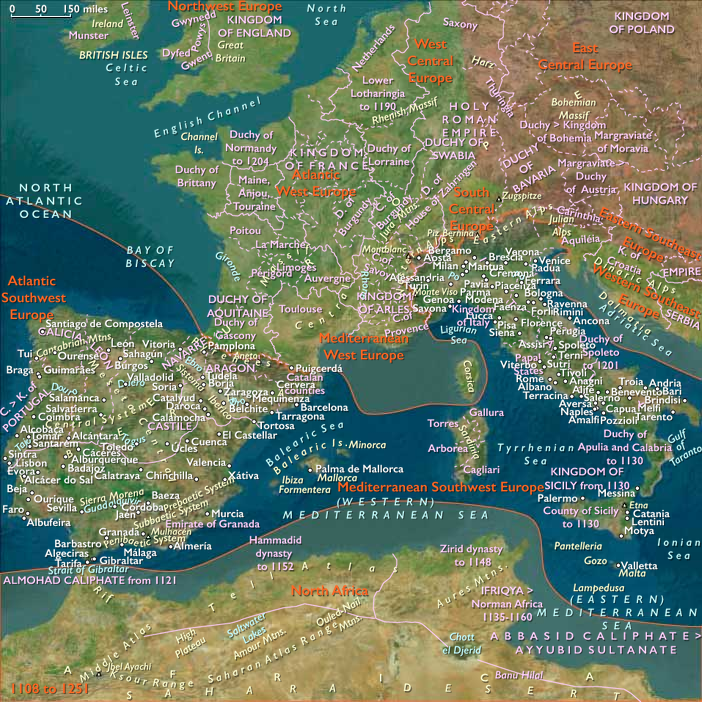
Subregions
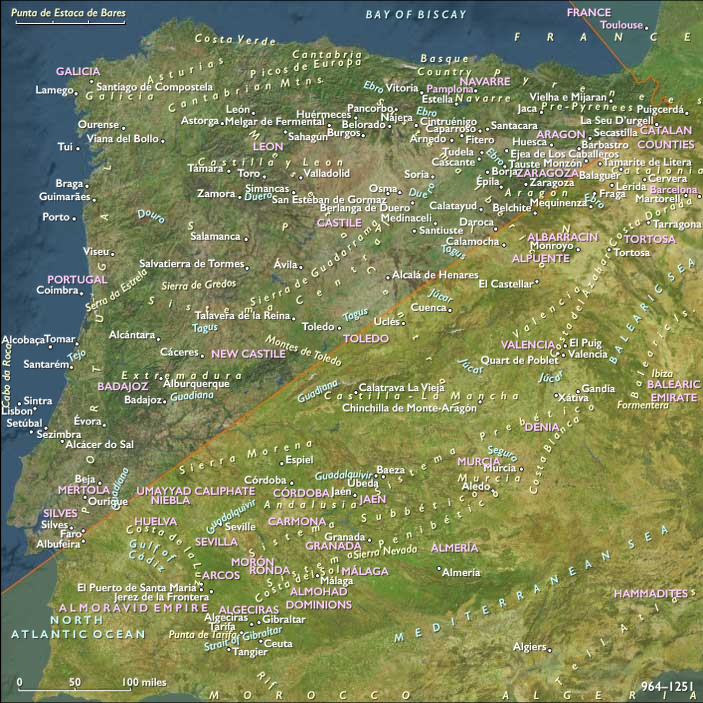
Related Events
Showing 10 events out of 47201 total
Years: 1220 - 1220
Locations
People
Groups
- Papal States (Republic of St. Peter)
- Christians, Roman Catholic
- Portugal, Burgundian (Alfonsine) Kingdom of
Subjects
Regions
Subregions