
Filters:
The Growing Demand for Mercury in Science …
Years: 1612 - 1623
The Growing Demand for Mercury in Science and Technology (17th Century Onward)
With scientific and technological advancements beginning in the 17th century, mercury became increasingly important for use in thermometers, barometers, and later electrical and chemical applications. The demand for this versatile metal continued to grow as instrumentation and industrial processes evolved.
Early Scientific Uses of Mercury
-
Thermometers and Barometers (17th–18th Century)
- Mercury thermometers were pioneered by Daniel Gabriel Fahrenheit (1714), who used mercury instead of alcohol, as it remained liquid over a wider temperature range.
- Evangelista Torricelli (1643) created the first mercury barometer, using the metal’s high density to measure atmospheric pressure.
-
Chemical and Industrial Uses (18th–19th Century)
- Mercury was used in gold and silver extraction (amalgamation process), especially in Spanish colonial mines in South America.
- In medicine, it was used in remedies such as mercurial ointments and quicksilver pills, despite its toxic effects.
-
Electrical and Industrial Applications (19th–20th Century)
- Mercury arc rectifiers were developed in the early 20th century to convert AC to DC electricity.
- Chlor-alkali processes used mercury to produce chlorine and sodium hydroxide, important for chemical manufacturing.
- Mercury-vapor lamps and switches became widely used in lighting and electrical circuits.
Impact of Rising Mercury Demand
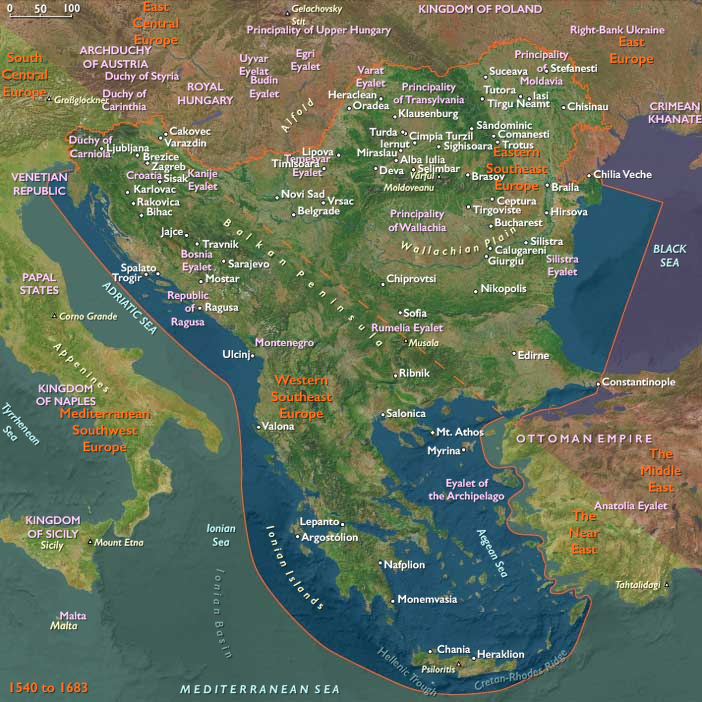
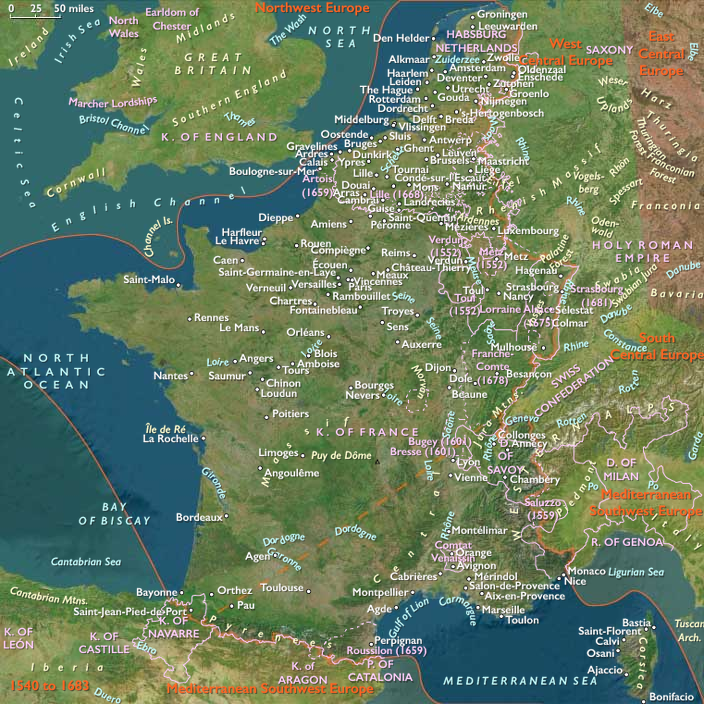
- Increased mining activity, especially in Almadén (Spain), Idria (Slovenia), and Huancavelica (Peru), led to environmental and health concerns.
- By the 20th century, mercury’s toxicity became well-documented, leading to declining industrial use and stricter regulations.
Conclusion: Mercury’s Role in Scientific and Industrial Progress
From the 17th century onward, mercury played a crucial role in scientific instrumentation, industrial applications, and electrical technology. Though its use declined due to health risks, it remains an essential element in historical advancements in physics, chemistry, and engineering.
Groups
Topics
Commodoties
Subjects
Regions
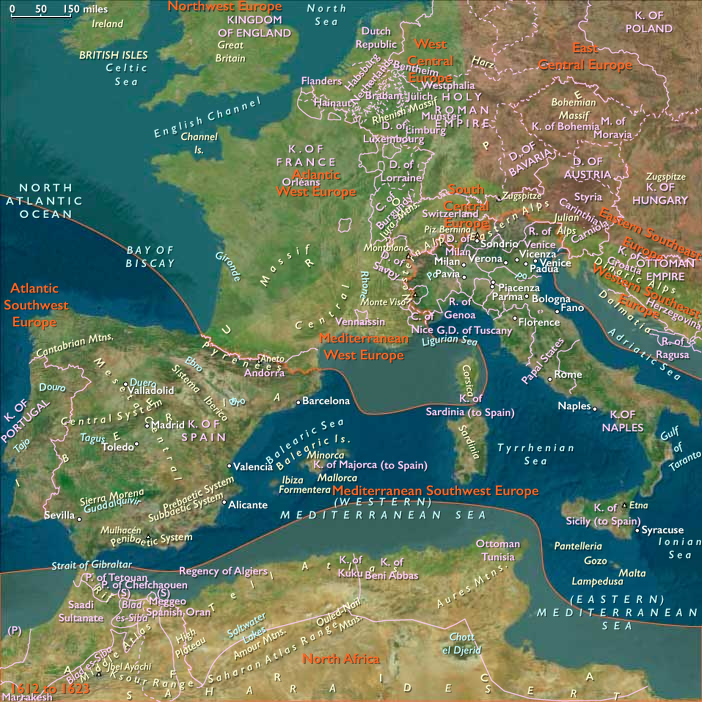
Subregions
- East Europe
- Northeast Europe
- Eastern Southeast Europe
- Mediterranean West Europe
- Mediterranean Southwest Europe
- Atlantic Southwest Europe
- Atlantic West Europe
- Northwest Europe
- Northeastern North America
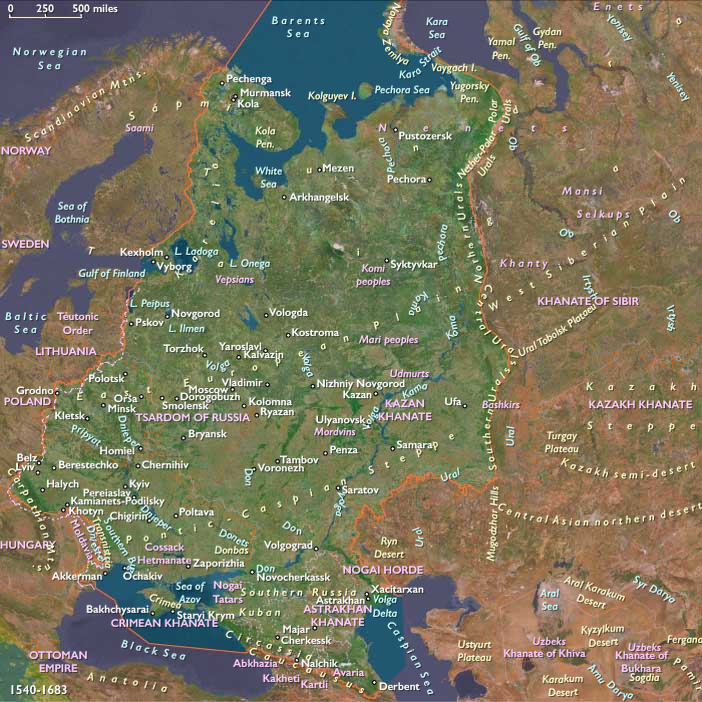
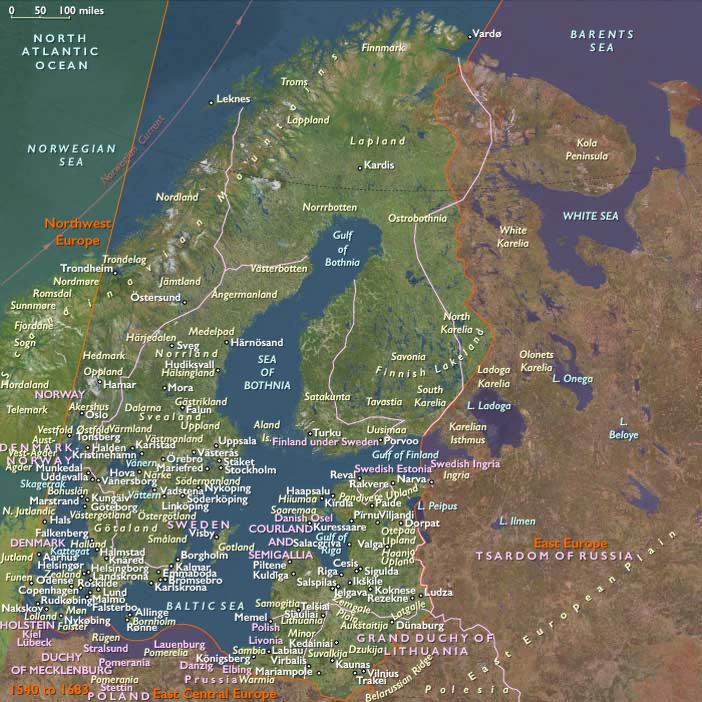
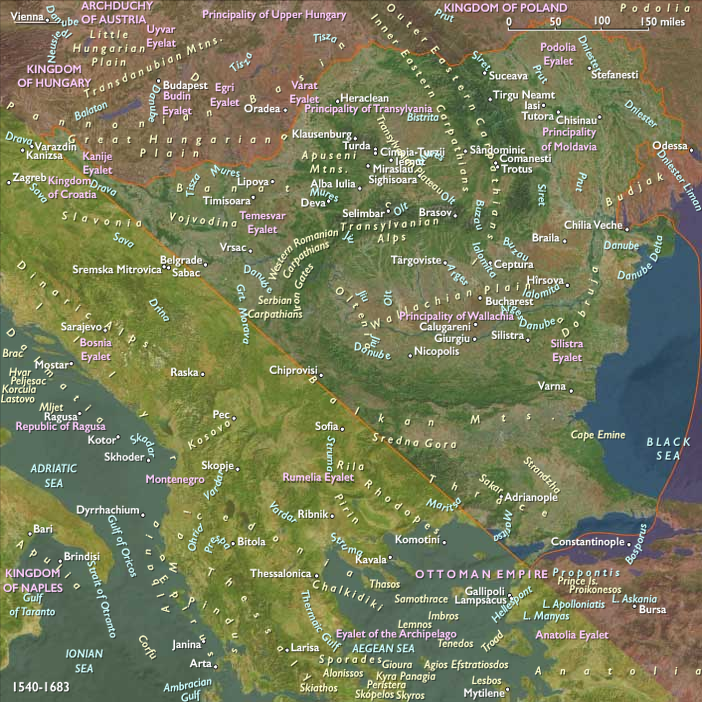
Years: 1612 - 1623
Groups
Topics
Commodoties
Subjects
Regions
Subregions
- East Europe
- Northeast Europe
- Eastern Southeast Europe
- Mediterranean West Europe
- Mediterranean Southwest Europe
- Atlantic Southwest Europe
- Atlantic West Europe
- Northwest Europe
- Northeastern North America