
The Emerald Buddha, a figurine of the …
Years: 43BCE - 43BCE
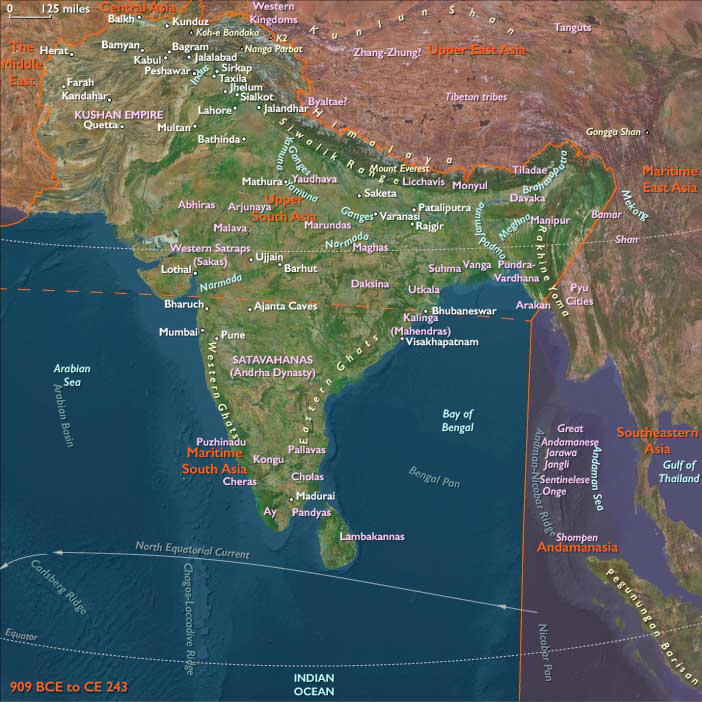
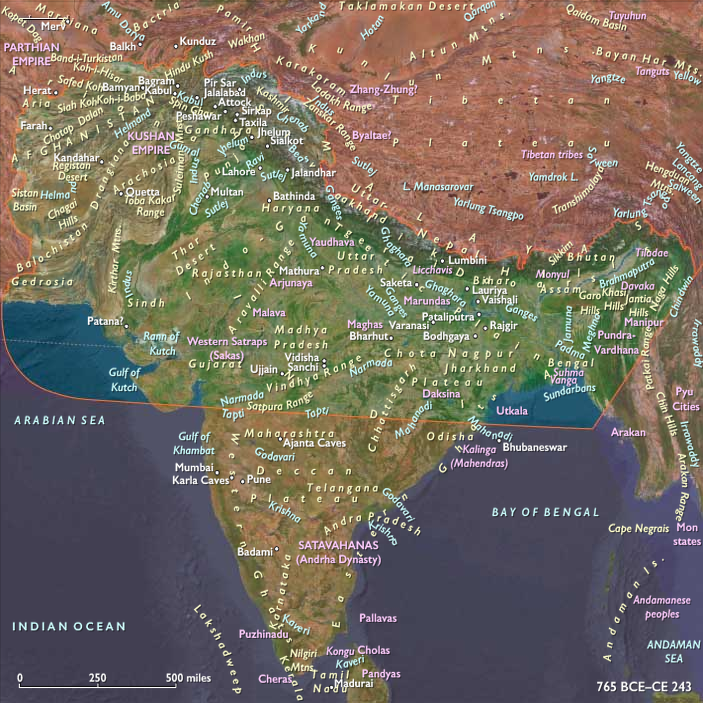
The Emerald Buddha, a figurine of the sitting Buddha made of green jade (rather than emerald), clothed in gold, and about forty-five centimeters tall, is created in India in 43 BCE, according to legend, by the Buddhist sage Nagasena in the city of Pataliputra (today Patna).
The Sculpture rests today in the Chapel of the Emerald Buddha (Wat Phra Kaew) on the grounds of the Grand Palace in Bangkok.
The legends state that after remaining in Pataliputra for three hundred years, it was taken to Sri Lanka to save it from a civil war.
In 457, King Anuruth of Burma sent a mission to Ceylon to ask for Buddhist scriptures and the Emerald Buddha, in order to support Buddhism in his country.
These requests were granted, but the ship lost its way in a storm during the return voyage and landed in Cambodia.
When the Thais captured Angkor Wat in 1432 (following the ravage of the bubonic plague), the Emerald Buddha was taken to Ayutthaya, Kamphaeng Phet, Laos and finally Chiang Rai, where the ruler of the city hid it.
Cambodian historians recorded the capture of the Buddha statue in their famous Preah Ko Preah Keo legend.
However, some art historians describe the Emerald Buddha as belonging to the Chiang Saen Style of the fifteenth century CE, which would mean it is actually of Lannathai origin.
Locations
Groups
Topics
Subjects
Regions
Subregions
Related Events
Showing 10 events out of 62343 total
Years: 43BCE - 43BCE
Locations
Groups
Topics
Subjects
Regions
Subregions