
Celestial Phenomena in Northern Gaul (590 CE): …
Years: 590 - 590
Celestial Phenomena in Northern Gaul (590 CE): Fiery Globes and Unusual Brightness
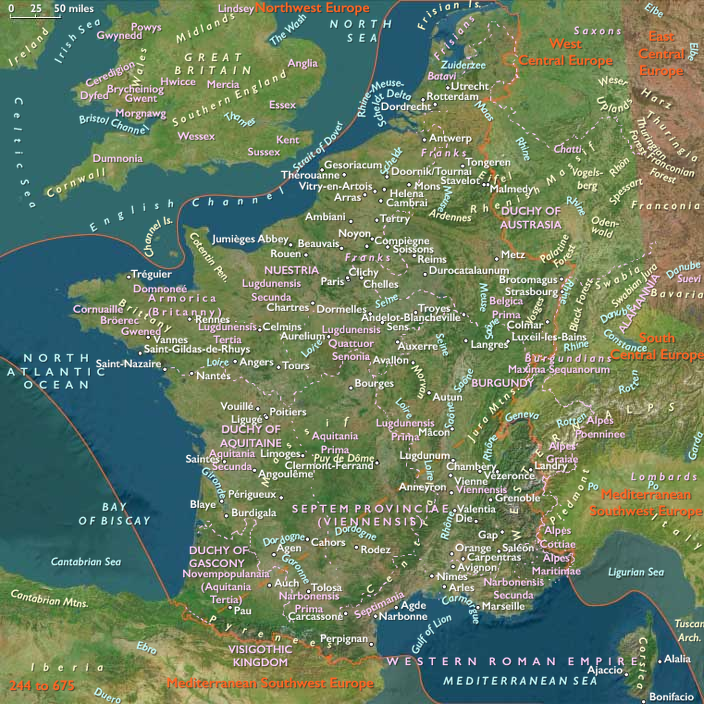
According to Gregory of Tours, a vast region of northern Gaul is illuminated as brightly as noonday in 590 CE, a rare and unexplained celestial event. In addition, he records multiple instances of fiery globes crossing the night sky, lighting up the earth. These accounts suggest that bolides (large meteors or fireballs) were frequent during this period, possibly signaling increased meteoric activity or atmospheric disturbances.
1. Gregory of Tours’ Observations
- Gregory reports that in 590 CE, a wide swath of northern Gaul was suddenly illuminated with a brightness equal to that of noon.
- On multiple occasions throughout the year, people observed fiery globes moving across the night sky, momentarily turning darkness into daylight.
2. Possible Explanations for These Phenomena
A. Meteoric Activity and Bolides
- Gregory’s descriptions closely match meteor outbursts or bolide events, where large fireballs enter the Earth’s atmosphere and explode, creating intense flashes of light.
- The high frequency of reported sightings suggests a possible meteor shower peak, similar to the modern Leonids or Perseids, but of greater intensity.
B. Cometary Fragments or Airbursts
- Some historical celestial events are linked to cometary debris, which can produce brilliant fireballs when entering the atmosphere.
- The 590 CE event could have been caused by a cometary fragment disintegrating over northern Gaul, producing an exceptionally bright atmospheric explosion.
C. Volcanic or Atmospheric Optical Effects
- A high-altitude volcanic eruption, possibly from Iceland or the Mediterranean, could have injected aerosols into the stratosphere, creating unusual optical phenomena.
- These atmospheric disturbances might have intensified the brightness of meteors, making them appear more spectacular.
3. Impact on Medieval Society and Interpretations
- Medieval observers, including Gregory of Tours, often interpreted such celestial phenomena as omens of war, famine, or divine warnings.
- The sixth century was already a period of instability, marked by plagues, climate anomalies, and famine, which may have heightened apocalyptic fears.
- These events may have reinforced religious sentiment, strengthening the belief in divine intervention in earthly affairs.
4. Conclusion: A Remarkable Year for Celestial Events
The frequent bolide sightings and unexplained brightness over northern Gaul in 590 CE suggest a period of increased meteoric activity or other rare atmospheric events. Gregory of Tours’ account remains one of the earliest documented records of widespread meteor fireballs, providing valuable historical insight into celestial phenomena in the early medieval period.
Locations
People
Groups
Subjects
Regions
Subregions
Related Events
Showing 10 events out of 57245 total
Years: 590 - 590
Locations
People
Groups
Subjects
Regions
Subregions