
Barbarian Migrations and the Reshaping of Post-Roman …
Years: 472 - 483
Barbarian Migrations and the Reshaping of Post-Roman Europe
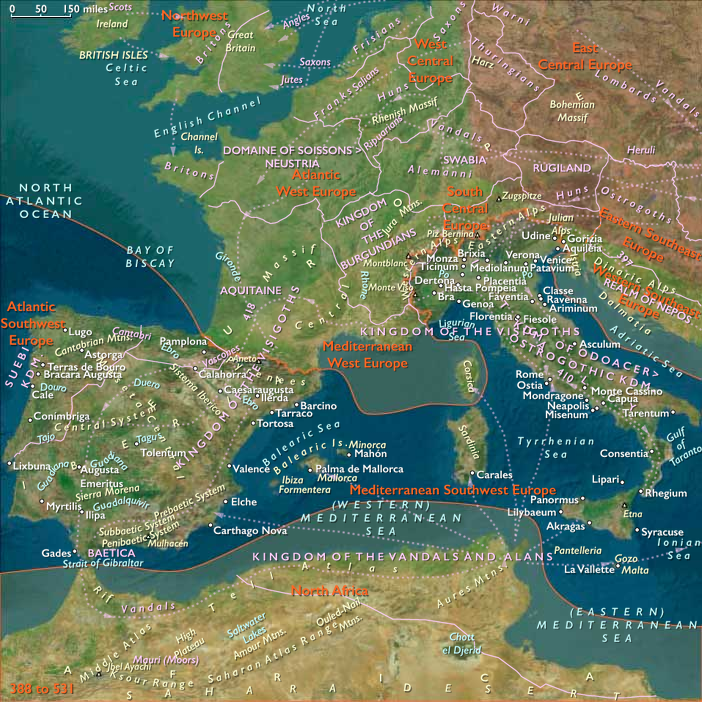
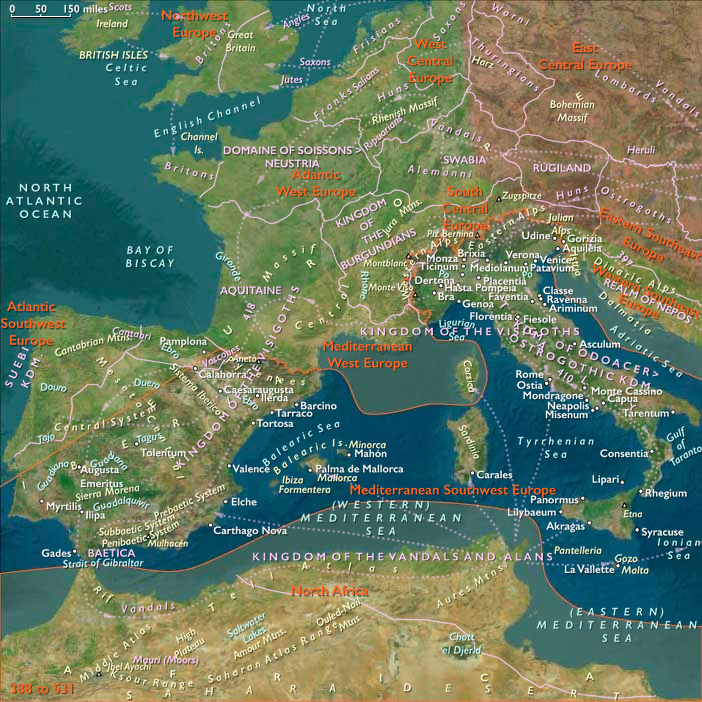
As the Western Roman Empire crumbles, large-scale barbarian migrations reshape the political and social order of Europe. The movement of various Germanic and non-Germanic tribes creates a patchwork of new kingdoms, permanently altering the balance of power on the continent.
A Third Wave of Devastation in the Balkans
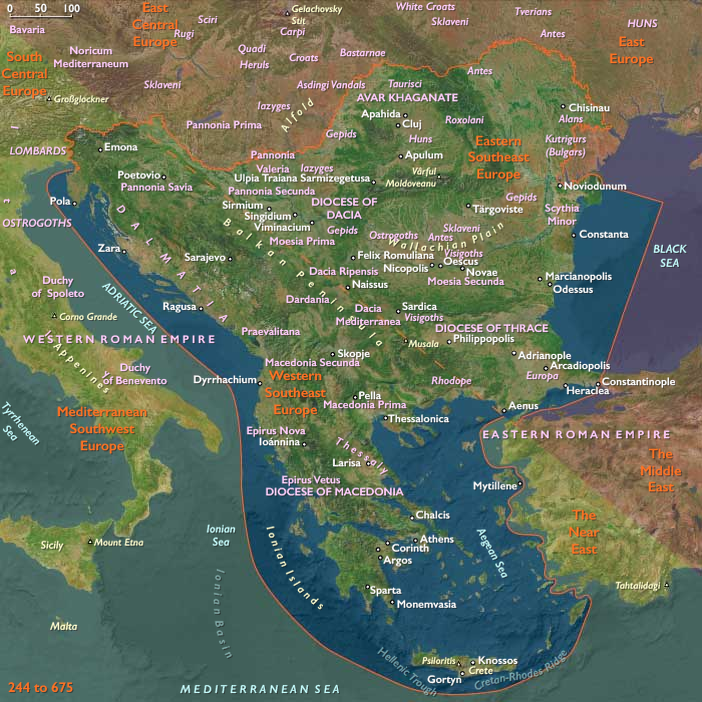
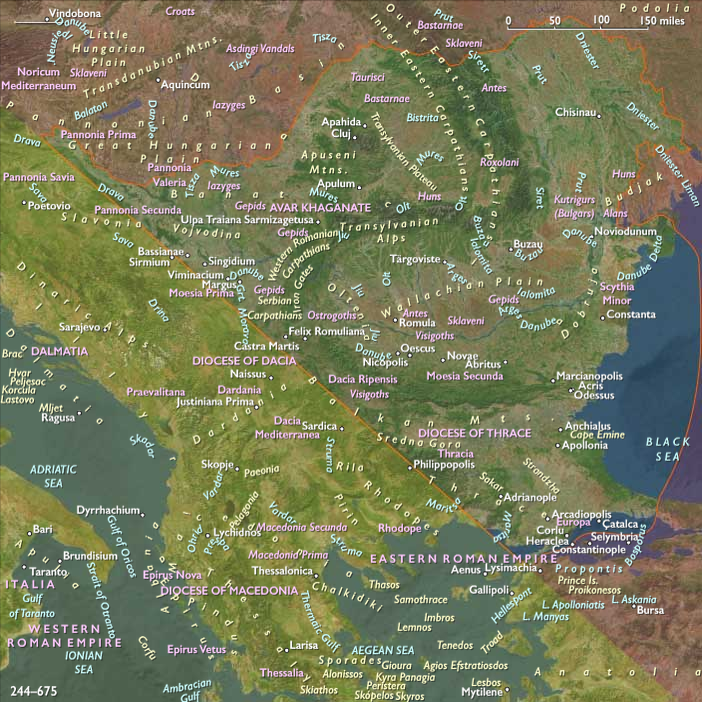
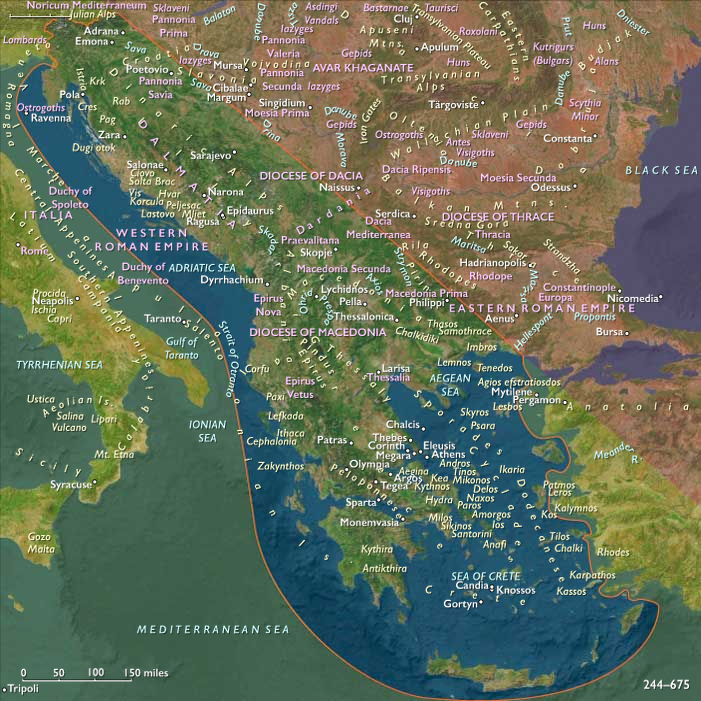
The Balkans, already weakened by earlier invasions, endure a third wave of destructive raids from eastern Germanic tribes, including:
- The Ostrogoths, who push further into Roman-held lands.
- The Gepids, consolidating their presence in Dacia and Pannonia.
- Other nomadic groups, who exploit the continued weakness of the Eastern Roman (Byzantine) Empire.
These invasions destabilize the region, accelerating the decline of Roman authority outside of Constantinople's core territories.
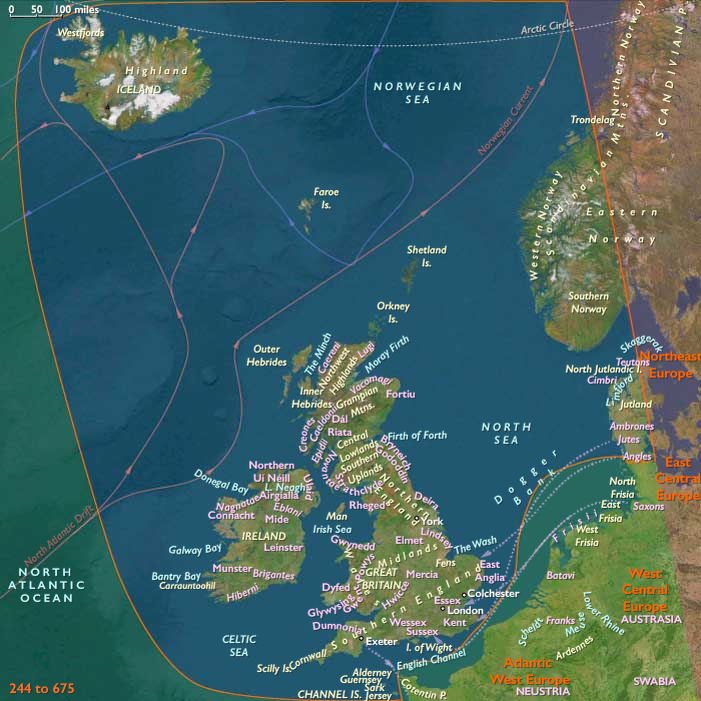
The Anglo-Saxon Invasions of Britain
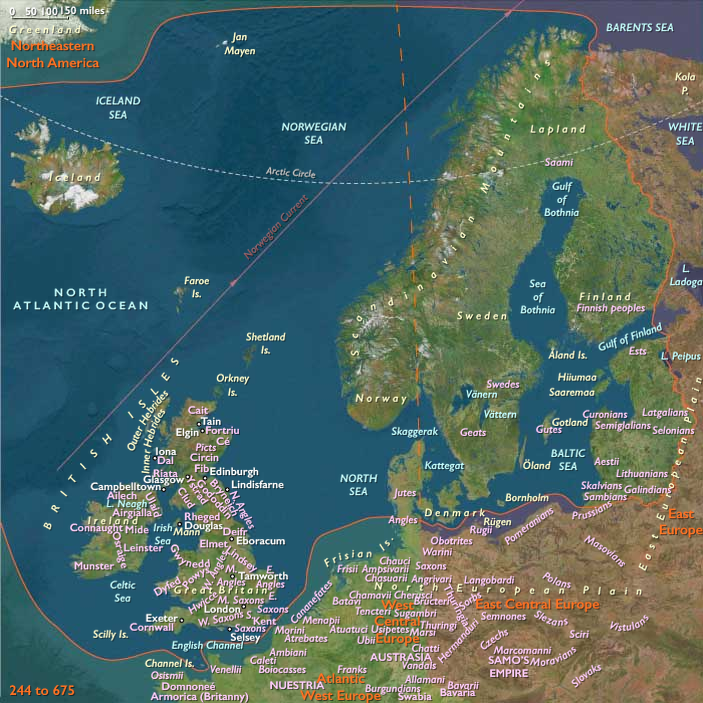
Meanwhile, in the west, the islands of Britain experience a major wave of migration from continental Germanic tribes:
- The Jutes, from the Jutland Peninsula.
- The Angles, from present-day Denmark and northern Germany.
- The Saxons, from the northern German coastline.
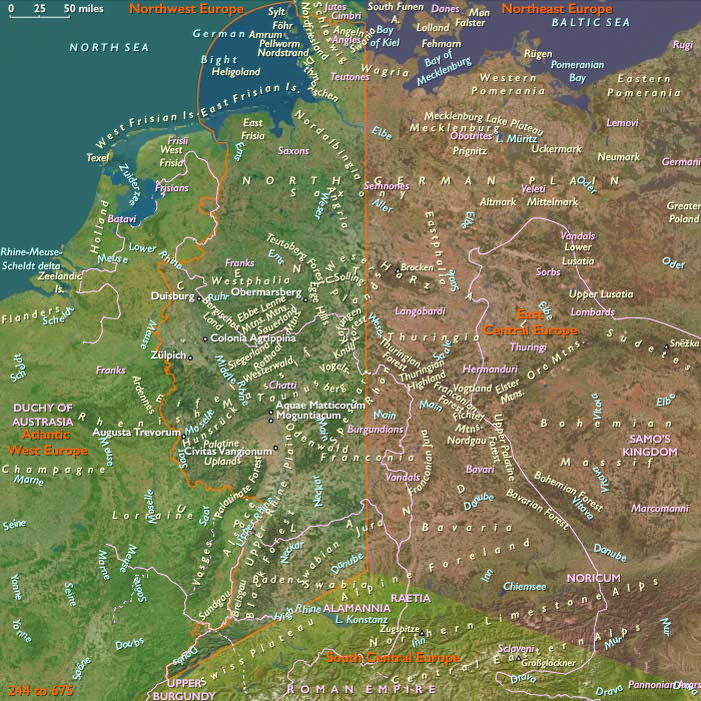
Arriving in small raiding parties, they gradually settle, displacing or assimilating the native Romano-British population. This marks the beginning of the Anglo-Saxon era, eventually leading to the formation of early medieval England.
The Formation of Barbarian Kingdoms on the Continent
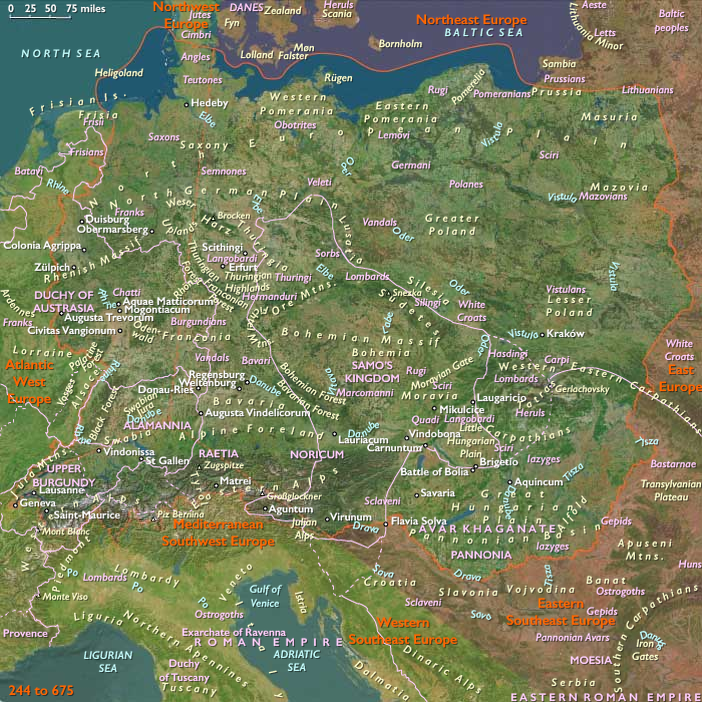
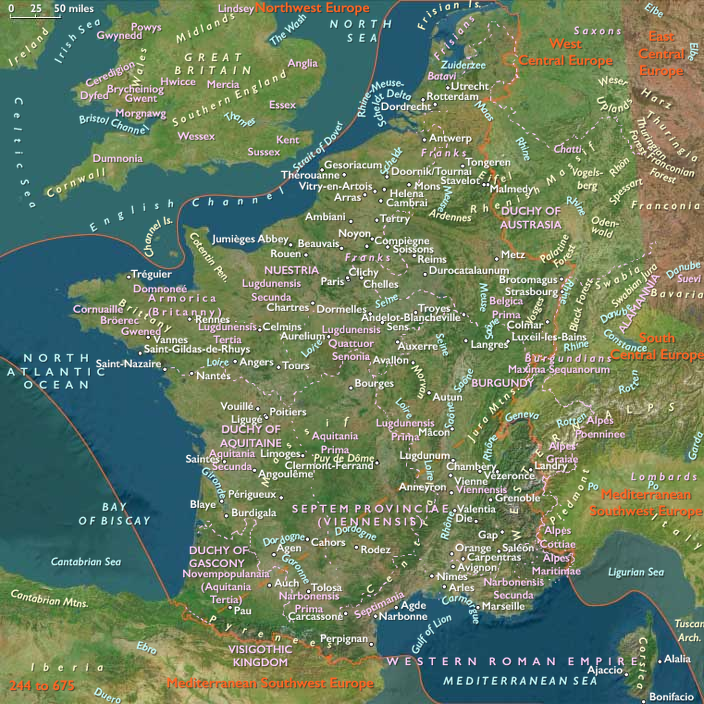
As Roman power collapses, major Germanic groups establish permanent territories, replacing the old imperial provinces:
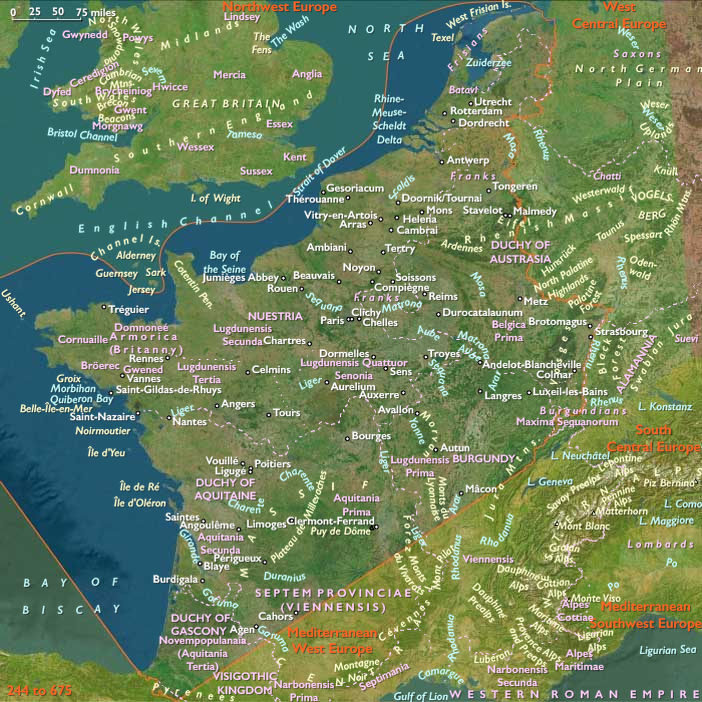
- The Franks and Alemanni – Settle beyond the Rhine, with the Franks gradually expanding southward into Gaul.
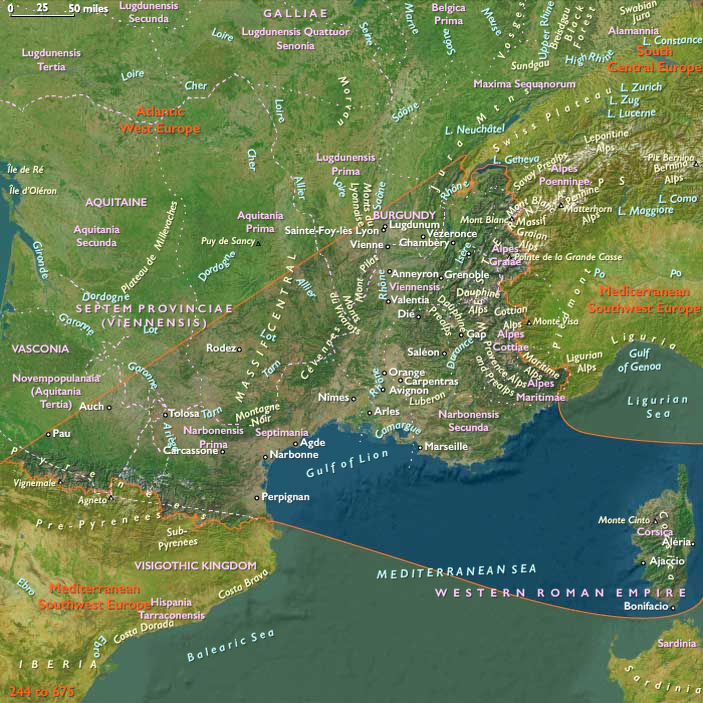
- The Burgundians – Establish a kingdom along the Rhône Valley, in what is now eastern France and western Switzerland.
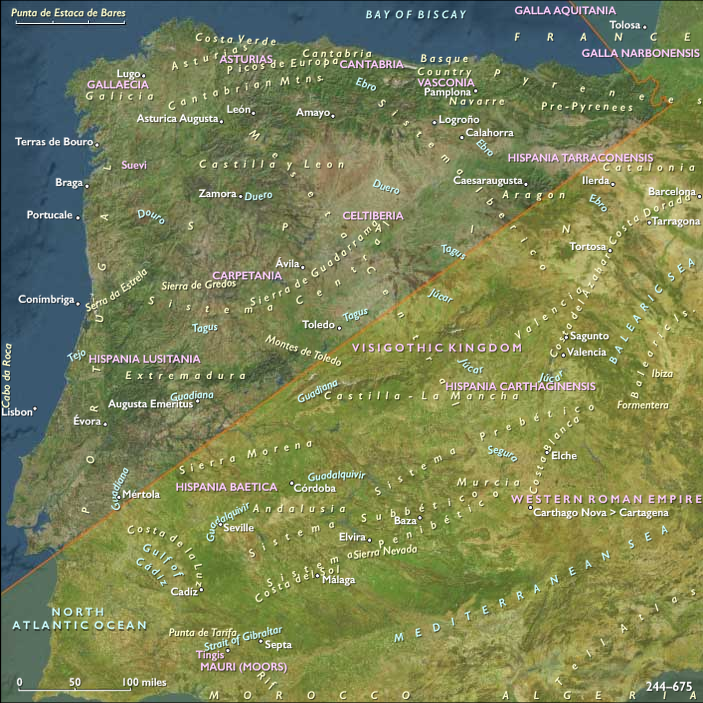
- The Visigoths – Having already taken control of southern Gaul, they now expand into nearly all of Hispania, reducing Roman authority there to a few isolated strongholds.
The Collapse of Rome and the Rise of Feudalism
With the Western Roman Empire gone, the social and economic structure of Europe transforms:
- Small farmers, unable to protect themselves from raiders and warlords, seek protection from local nobles or Germanic chieftains.
- In return for military defense, they surrender their lands or become bound to estates, leading to the rise of a system that will eventually evolve into feudalism.
- Power centralizes around local lords, as urban centers decline and the old Roman administration disappears outside of the Byzantine-controlled east.
The Dawn of the Early Medieval World
The migrations and conquests of the fifth century mark the end of Roman rule in the West and the beginning of the Medieval Era. The once-unified Roman world is now divided into barbarian successor kingdoms, each with its own evolving laws, cultures, and political structures.
This new order, shaped by Germanic warriors, displaced Roman elites, and shifting alliances, will define the political and social fabric of medieval Europe for centuries to come.
Groups
- Franks
- Saxons
- Angles
- Jutes
- Germans
- Alamanni (Germanic tribal alliance)
- Alamannia
- Septem Provinciae (Roman Diocese)
- Gaul, Diocese of
- Illyricum, Praetorian prefecture of
- Gaul, Praetorian prefecture of
- Italy, Diocese of
- Roman Empire, Western (Ravenna)
- Burgundians, (second) Kingdom of the
- Roman Empire, Eastern: Leonid dynasty
- Septimania
Topics
Subjects
Regions
Subregions
- Eastern Southeast Europe
- Western Southeast Europe
- Mediterranean West Europe
- Mediterranean Southwest Europe
- Atlantic Southwest Europe
- Atlantic West Europe
- West Central Europe
- Northwest Europe
Related Events
Showing 10 events out of 58557 total
Years: 472 - 483
Groups
- Franks
- Saxons
- Angles
- Jutes
- Germans
- Alamanni (Germanic tribal alliance)
- Alamannia
- Septem Provinciae (Roman Diocese)
- Gaul, Diocese of
- Illyricum, Praetorian prefecture of
- Gaul, Praetorian prefecture of
- Italy, Diocese of
- Roman Empire, Western (Ravenna)
- Burgundians, (second) Kingdom of the
- Roman Empire, Eastern: Leonid dynasty
- Septimania
Topics
Subjects
Regions
Subregions
- Eastern Southeast Europe
- Western Southeast Europe
- Mediterranean West Europe
- Mediterranean Southwest Europe
- Atlantic Southwest Europe
- Atlantic West Europe
- West Central Europe
- Northwest Europe