
Filters:
Opposition to European interference in Egypt's affairs …
Years: 1918 - 1918
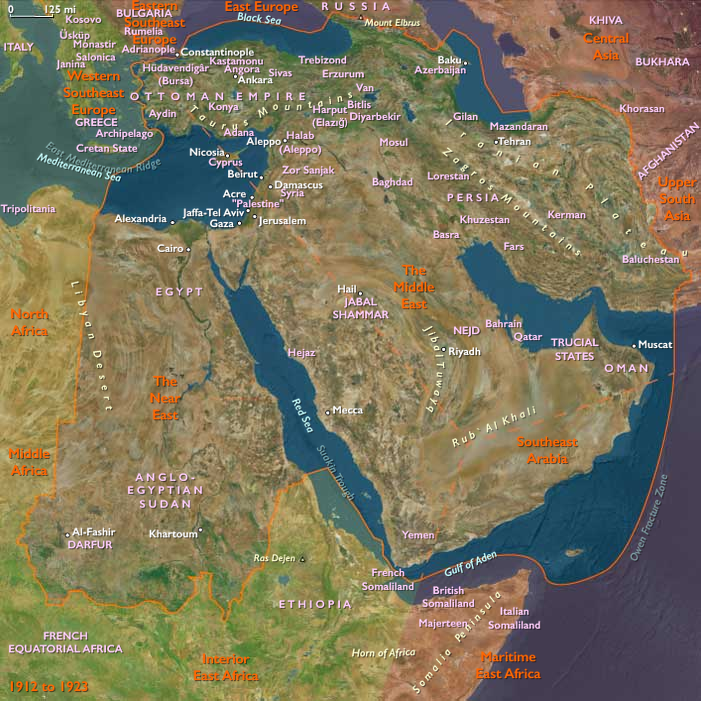
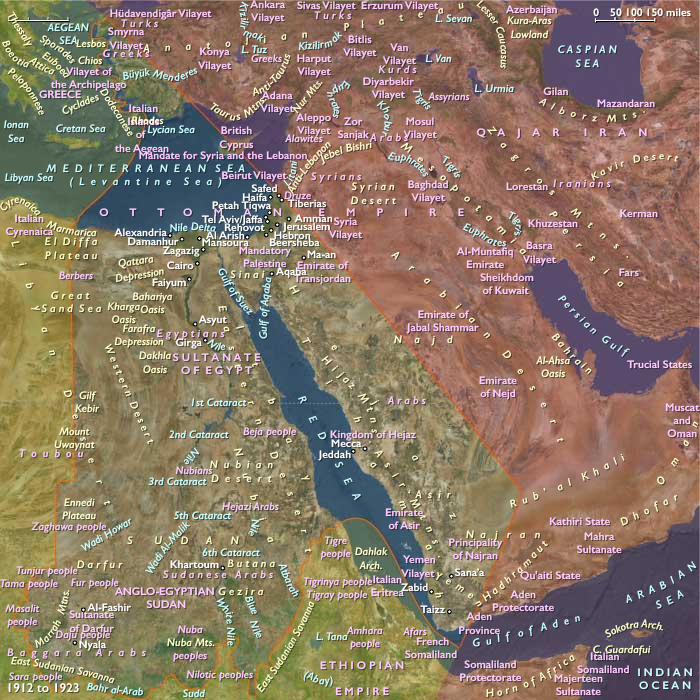
Opposition to European interference in Egypt's affairs results in the emergence of a nationalist movement that coalesces and spreads after the British military intervention and occupation of 1882.
The immediate causes of what will become known to Egyptians as the 1919 Revolution, however, are British actions during the war that caused widespread hardship and resentment.
Specifically, these included Britain's purchase of cotton and requisitioning of fodder at below market prices, Britain's forcible recruitment of about five hundred thousand peasants into the Labor and Camel Transport Corps in the Egyptian Expeditionary Force, and its use of the country as a base and a garrison populated by British, Australian, and other troops.
After the war, Egypt will feel the adverse effects of soaring prices and unemployment.
The immediate causes of what will become known to Egyptians as the 1919 Revolution, however, are British actions during the war that caused widespread hardship and resentment.
Specifically, these included Britain's purchase of cotton and requisitioning of fodder at below market prices, Britain's forcible recruitment of about five hundred thousand peasants into the Labor and Camel Transport Corps in the Egyptian Expeditionary Force, and its use of the country as a base and a garrison populated by British, Australian, and other troops.
After the war, Egypt will feel the adverse effects of soaring prices and unemployment.
Locations
Groups
- Britain (United Kingdom of Great Britain and Ireland)
- Egypt, Khedivate of
- Egypt, British Protectorate of
Topics
Commodoties
Subjects
Regions
Subregions
Years: 1918 - 1918
Locations
Groups
- Britain (United Kingdom of Great Britain and Ireland)
- Egypt, Khedivate of
- Egypt, British Protectorate of
Topics
Commodoties
Subjects
Regions
Subregions