
The Crisis of the Third Century (235–284 …
Years: 100 - 243
The Crisis of the Third Century (235–284 CE): Rome on the Brink of Collapse
In 235 CE, the Roman Empire was struck by three simultaneous crises:
- External invasions by Germanic tribes and eastern enemies.
- Internal civil wars as emperors were overthrown in rapid succession.
- Economic collapse, with hyperinflation and declining trade.
This period, known as the Crisis of the Third Century (235–284 CE), marked one of the most dangerous moments in Roman history, nearly leading to the empire’s disintegration.
1. External Invasions: Rome’s Borders Under Siege
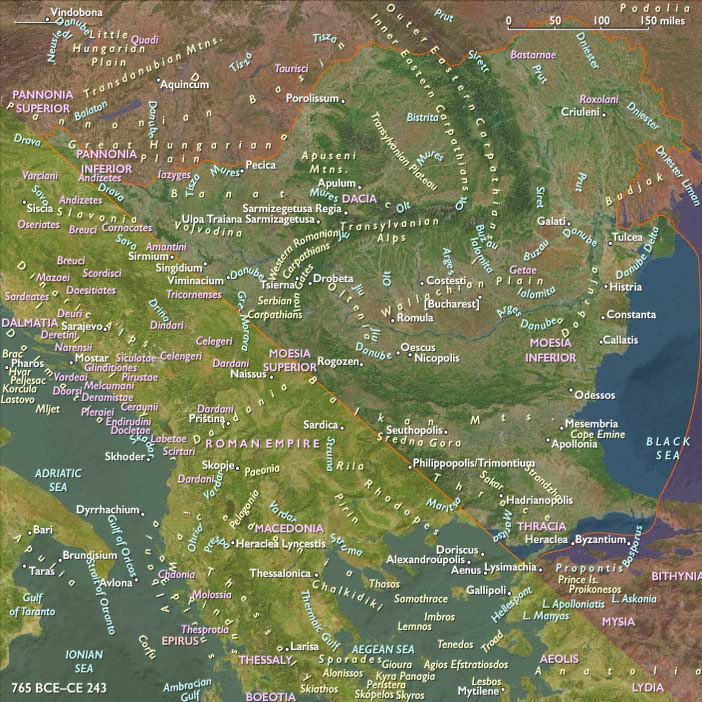
- The Germanic tribes, including the Goths, Alemanni, and Franks, launched devastating raids into Roman territory.
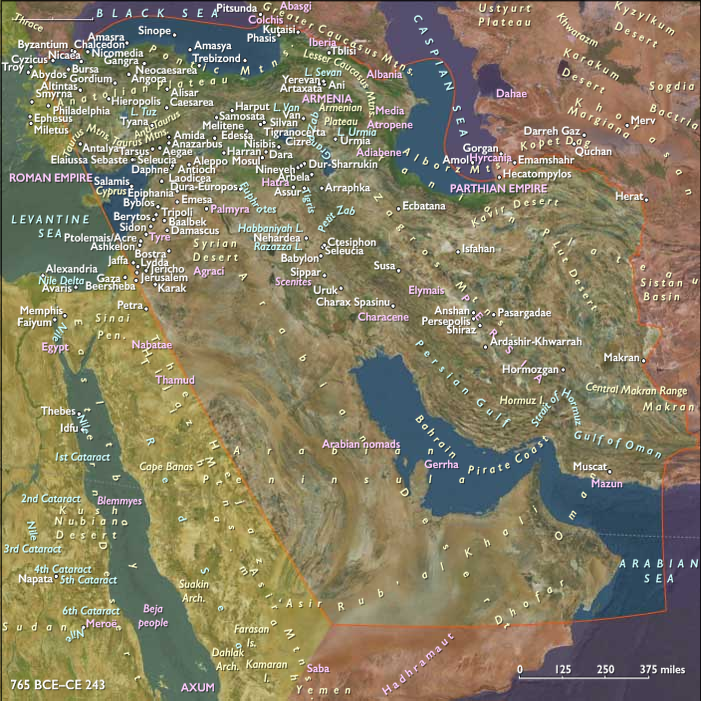
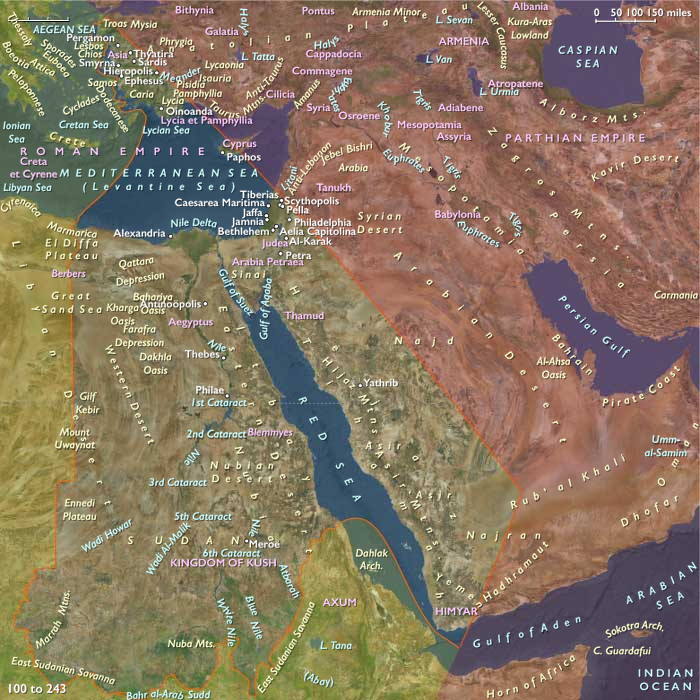
- In the East, the Sassanid Persian Empire replaced the Parthians as Rome’s primary adversary, inflicting heavy defeats.
- The empire’s defensive system strained under the pressure, as legions were stretched too thin to defend all fronts effectively.
2. Internal Civil War: The Barracks Emperors
- The empire saw rapid turnover of emperors, often installed by legions rather than the Senate.
- Between 235 and 284 CE, over 25 emperors ruled, most meeting violent ends.
- Civil wars between rival claimants weakened Rome’s ability to deal with external threats.
3. Economic Collapse and Inflation
- Rome faced severe financial strain due to continuous wars and loss of tax revenues.
- The currency debased, leading to hyperinflation and a collapse of trade and urban economies.
- The middle and lower classes suffered, causing social unrest and a shift toward a feudal-like economic system.
Pivotal Moment: The Transition to Late Antiquity
The Crisis of the Third Century fundamentally reshaped the Roman world, marking the transition from classical Rome to Late Antiquity:
- The empire began shifting toward a more militarized, autocratic structure.
- The traditional city-based economy declined, replaced by self-sufficient rural estates.
- Political power moved from Rome to regional capitals, signaling the beginning of the division between Eastern and Western Rome.
The Road to Recovery
- In 284 CE, Emperor Diocletian seized power and implemented sweeping reforms, stabilizing the empire.
- His creation of the Tetrarchy (rule by four emperors) temporarily ended civil wars.
- His military and economic policies restored order, but at the cost of greater imperial control and bureaucracy.
While the Roman Empire survived, the Crisis of the Third Century weakened its foundations, setting the stage for further transformations that would lead to the eventual fall of the Western Roman Empire in 476 CE.
Groups
- Roman Empire (Rome): Nerva-Antonine dynasty
- Roman Empire (Rome): Severan dynasty
- Persian Empire, Sassanid, or Sasanid
- Roman Empire (Rome): Non-dynastic
Topics
- Crisis of the Third Century (Roman Civil “War” of 235-84)
- Year of the Six Emperors, or Roman Civil War of 238
- Roman-Persian War of 241-44
Subjects
Regions
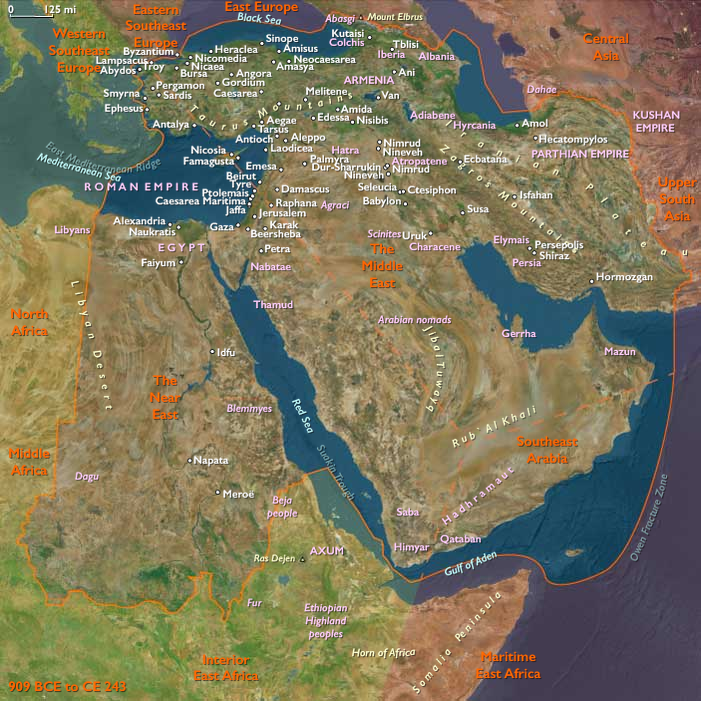
- The Near and Middle East
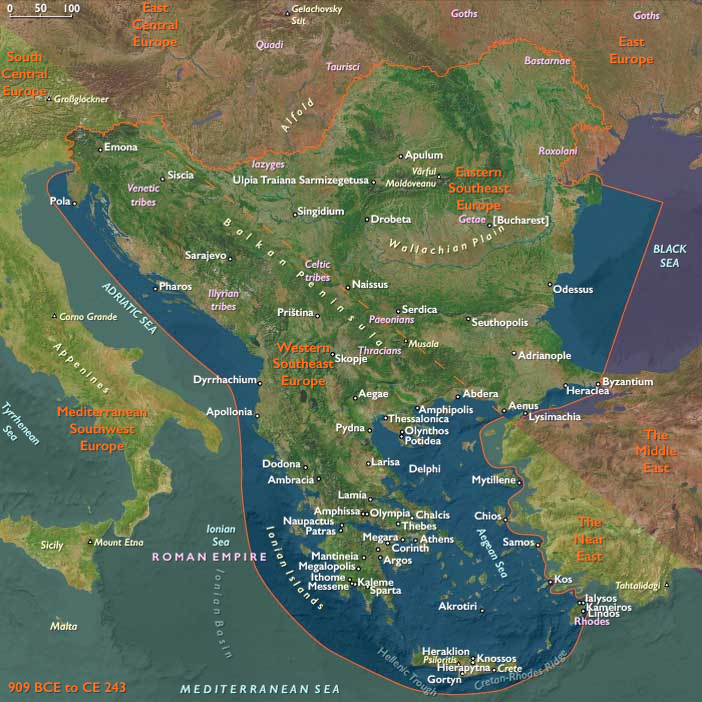
- Southeast Europe
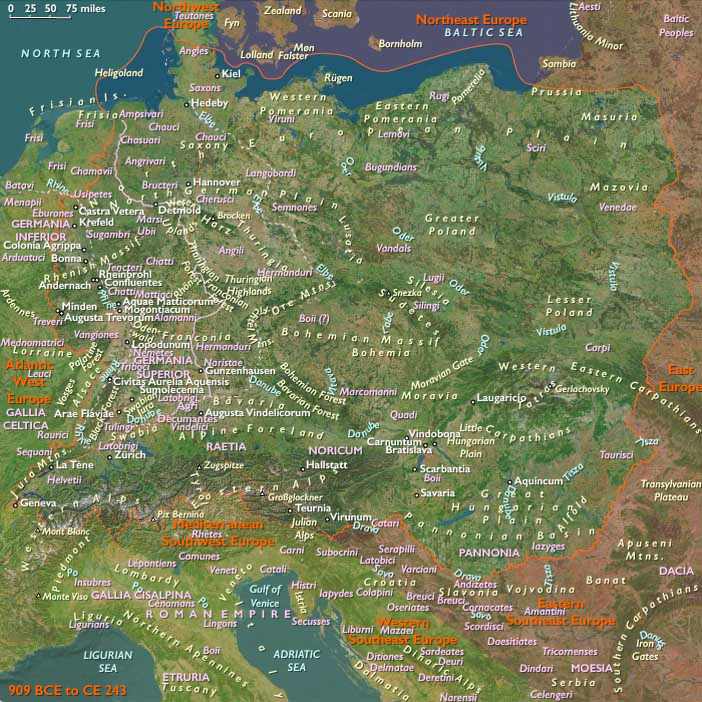
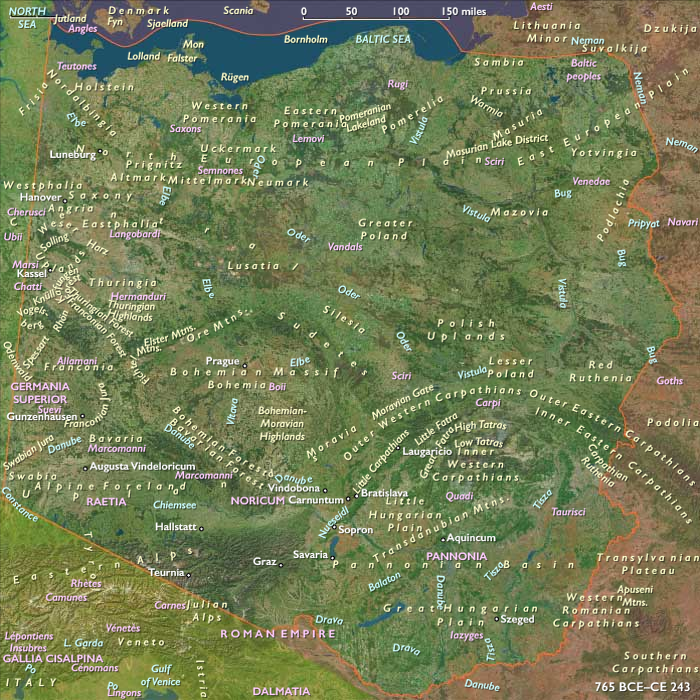
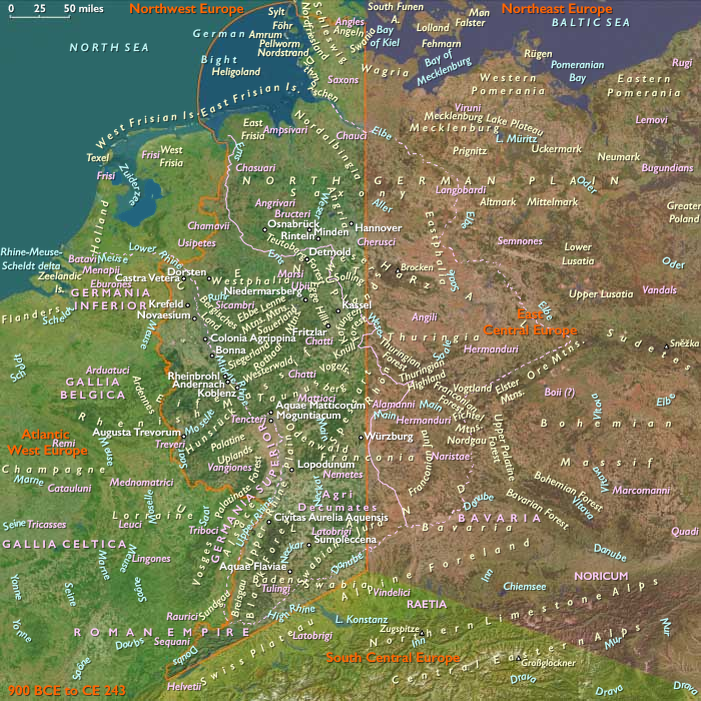
- Central Europe
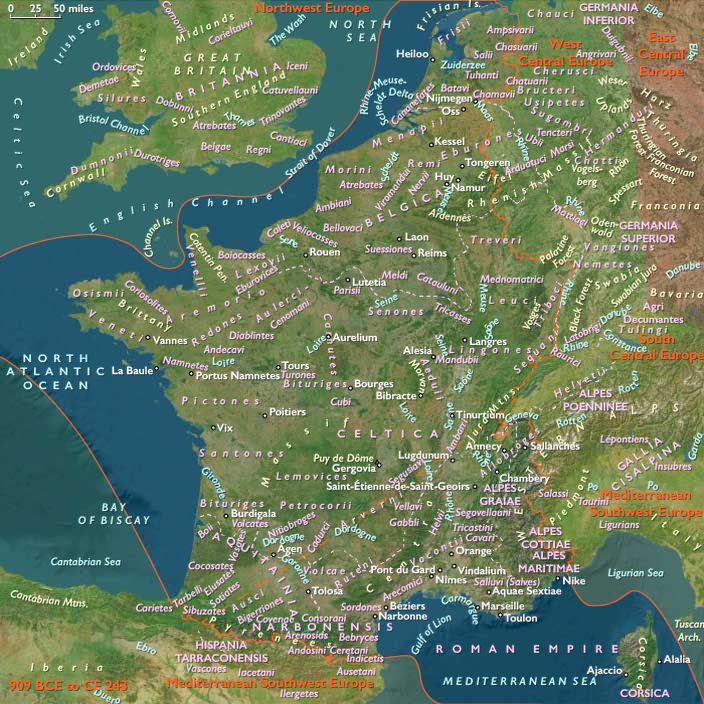
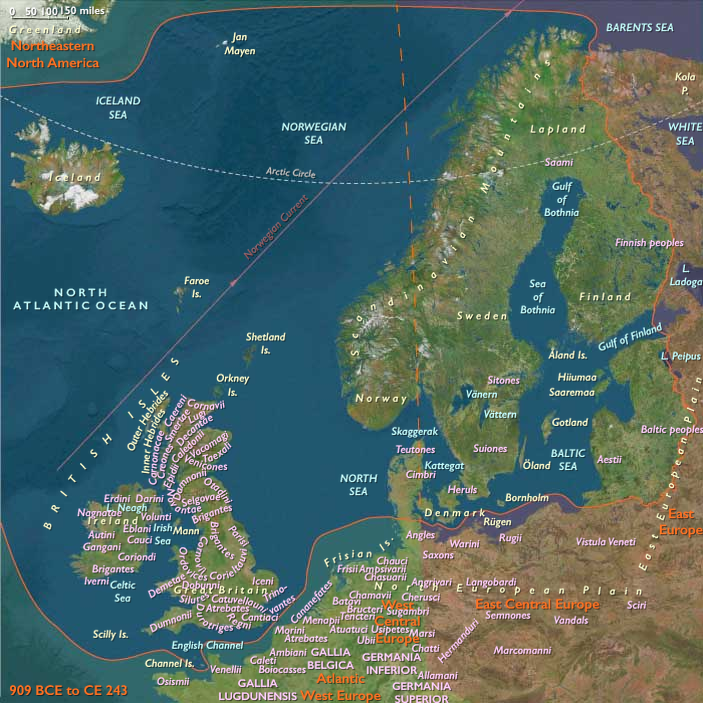
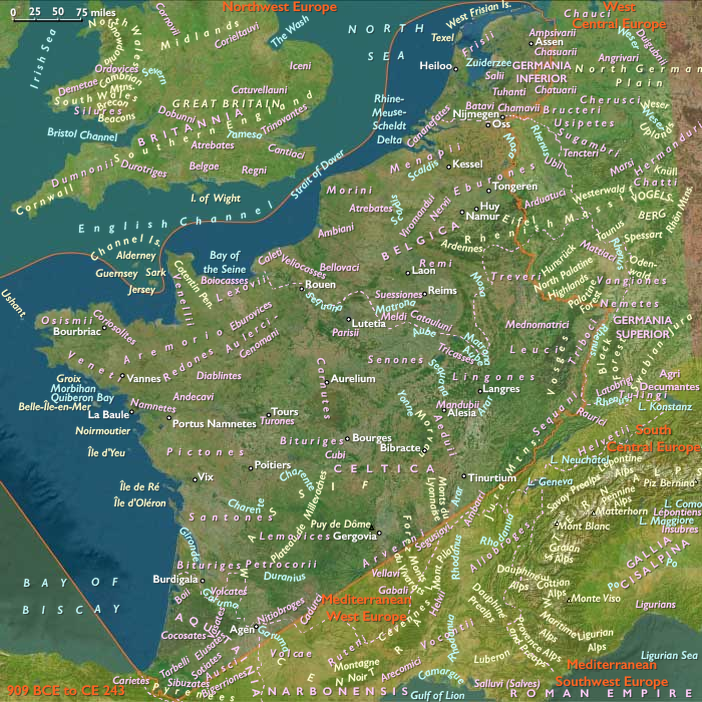
- West Europe
- North Europe
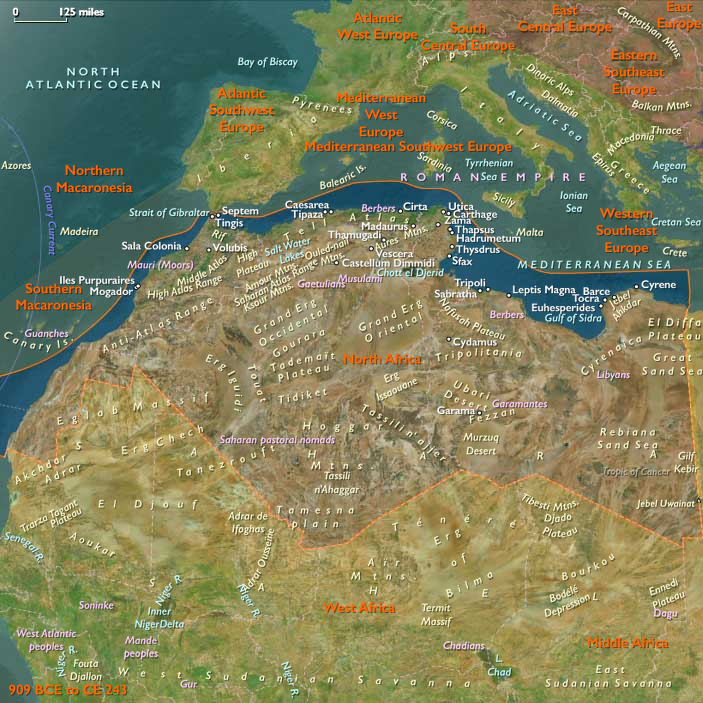
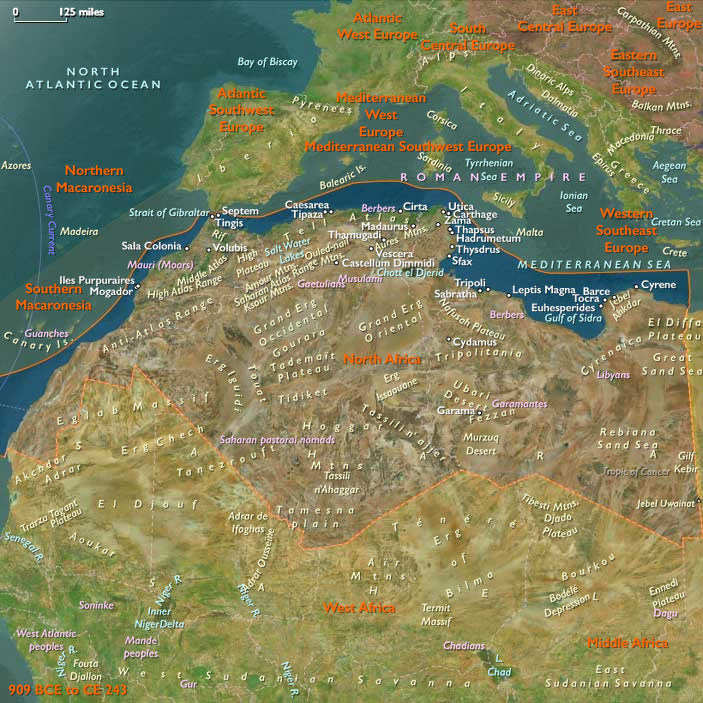
- North Africa
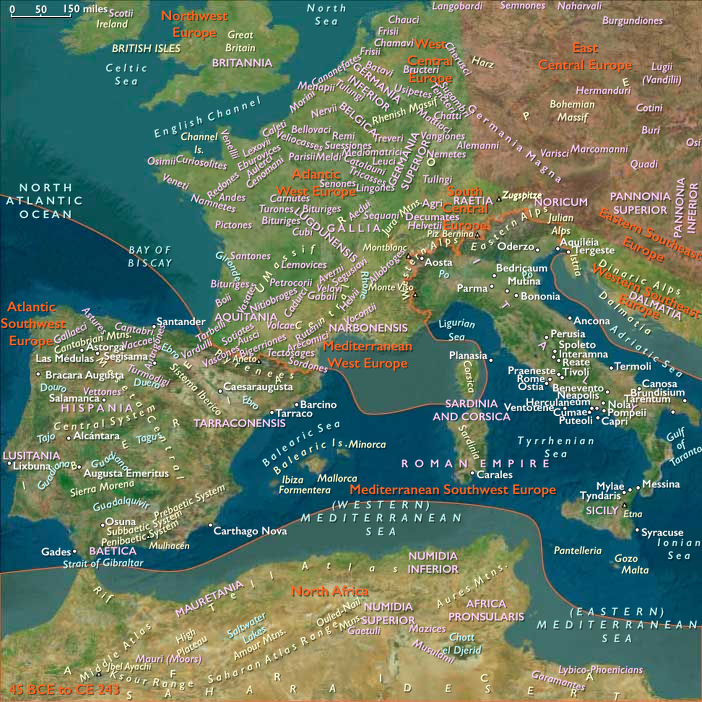
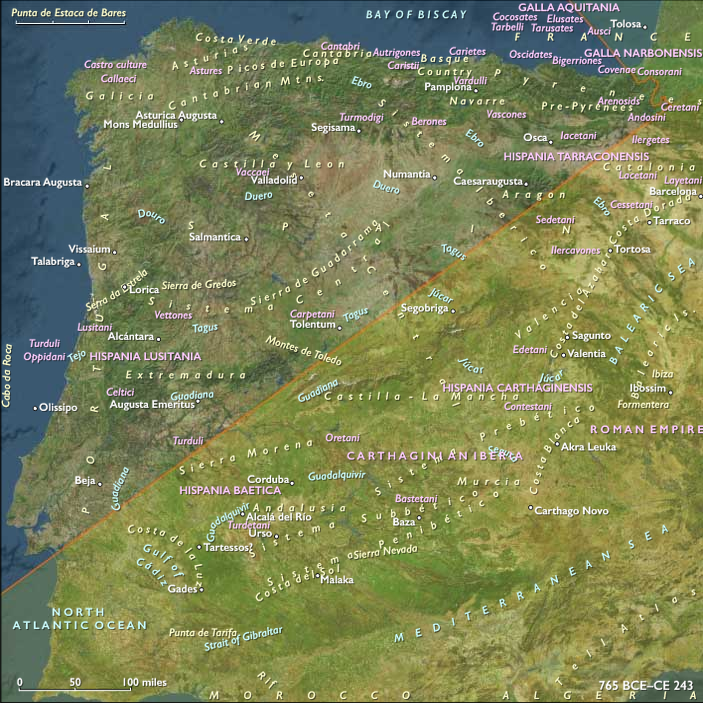
- Southwest Europe
Subregions
- East Central Europe
- Eastern Southeast Europe
- Middle East
- Southeast Arabia
- Near East
- Western Southeast Europe
- South Central Europe
- Mediterranean West Europe
- Mediterranean Southwest Europe
- North Africa
- Atlantic Southwest Europe
- Atlantic West Europe
- West Central Europe
- Northwest Europe
Related Events
Showing 10 events out of 61429 total
Years: 100 - 243
Groups
- Roman Empire (Rome): Nerva-Antonine dynasty
- Roman Empire (Rome): Severan dynasty
- Persian Empire, Sassanid, or Sasanid
- Roman Empire (Rome): Non-dynastic
Topics
- Crisis of the Third Century (Roman Civil “War” of 235-84)
- Year of the Six Emperors, or Roman Civil War of 238
- Roman-Persian War of 241-44
Subjects
Regions
- The Near and Middle East
- Southeast Europe
- Central Europe
- West Europe
- North Europe
- North Africa
- Southwest Europe
Subregions
- East Central Europe
- Eastern Southeast Europe
- Middle East
- Southeast Arabia
- Near East
- Western Southeast Europe
- South Central Europe
- Mediterranean West Europe
- Mediterranean Southwest Europe
- North Africa
- Atlantic Southwest Europe
- Atlantic West Europe
- West Central Europe
- Northwest Europe