
The Rise of the Codex and the …
Years: 244 - 387
The Rise of the Codex and the Transformation of Written Culture (2nd–4th Century CE)
Between the 2nd and 4th centuries CE, the codex gradually replaced the scroll, revolutionizing how information was recorded, stored, and accessed. This transition marked one of the most significant advancements in the history of the written word, laying the foundation for the modern book format still in use today.
1. The Codex vs. The Scroll: A Technological Shift
-
The scroll, made of papyrus or parchment, was the dominant format for written texts in the ancient Mediterranean world. However, it had limitations:
- Linear reading: Finding specific passages was cumbersome, as the reader had to unroll and rerollsections.
- Fragility: Repeated rolling and unrolling caused wear and tear.
-
The codex—a bound collection of folded sheets—offered several practical advantages:
- Easy reference: A reader could flip directly to a passage, making study and annotation easier.
- Improved durability: The flat format reduced wear and made storage more compact and efficient.
- Better usability: Unlike the scroll, it was easier to place on a table, allowing notes to be taken while reading.
2. Enhancements to Reading and Writing Practices
The codex format gradually evolved with the standardization of text layout:
- Separation of words – Making texts easier to read without having to decipher continuous scriptio continua.
- Capital letters and punctuation – Improving comprehension and silent reading.
- Tables of contents and indices – Enabling quick access to specific sections of a book.
These innovations significantly improved literacy, scholarship, and the dissemination of knowledge, facilitating the work of scribes, scholars, and religious institutions.
3. The Codex Becomes the Standard Book Form
- By the 4th century CE, the codex had largely replaced the scroll in both secular and religious texts.
- Early Christians adopted the codex extensively, particularly for the Bible, contributing to its widespread acceptance.
- Its lasting effectiveness is evidenced by the fact that over 1,500 years later, the codex remains the standard format for books.
4. The Transition from Parchment to Paper
- Parchment (made from animal skins) was initially the primary material for codices.
- However, as paper production spread from China to the Islamic world and later to Europe, it gradually replaced parchment due to its lower cost and easier production.
- The advent of paper enabled greater diffusion of books, making literacy and education more accessible.
Conclusion: A Lasting Technological Innovation
The shift from scroll to codex was a transformative moment in the history of writing, shaping how humans store, access, and share knowledge. The codex format's practical advantages ensured its dominance, making it one of the most enduring technological innovations of the ancient world—one that still defines modern books today.
Commodoties
Subjects
Regions
- East Asia
- Central Asia
- South Asia
- The Near and Middle East
- Central Europe
- West Europe
- North Europe
- North Africa
- Southwest Europe




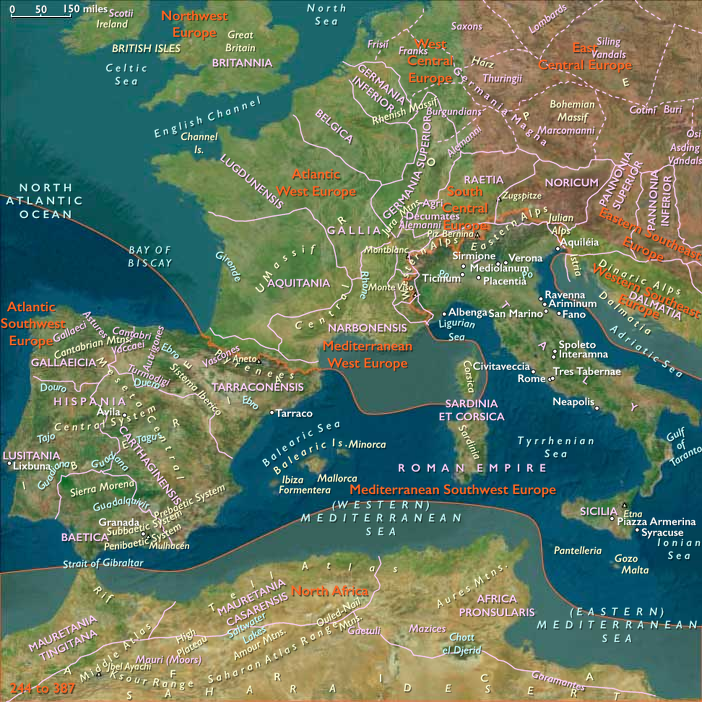
Subregions
- Maritime East Asia
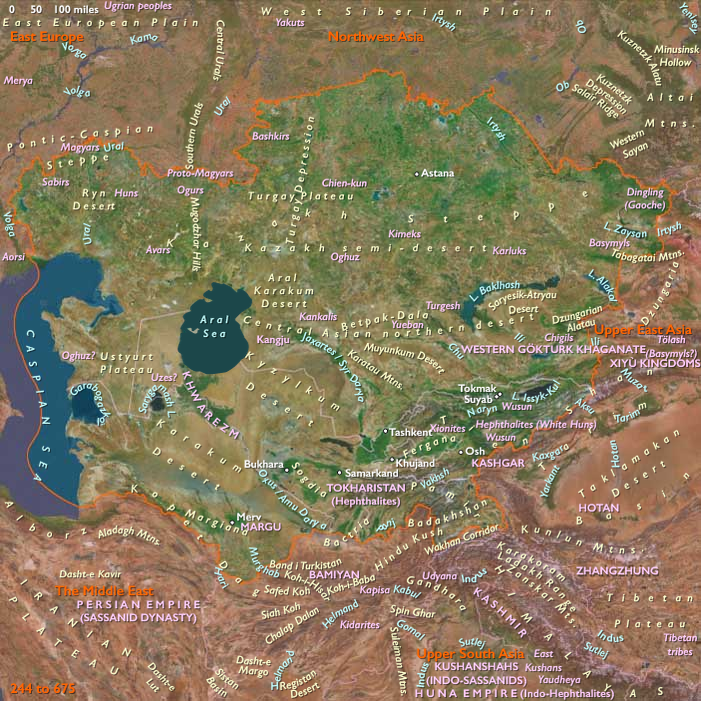
- Central Asia
- Eastern Southeast Europe
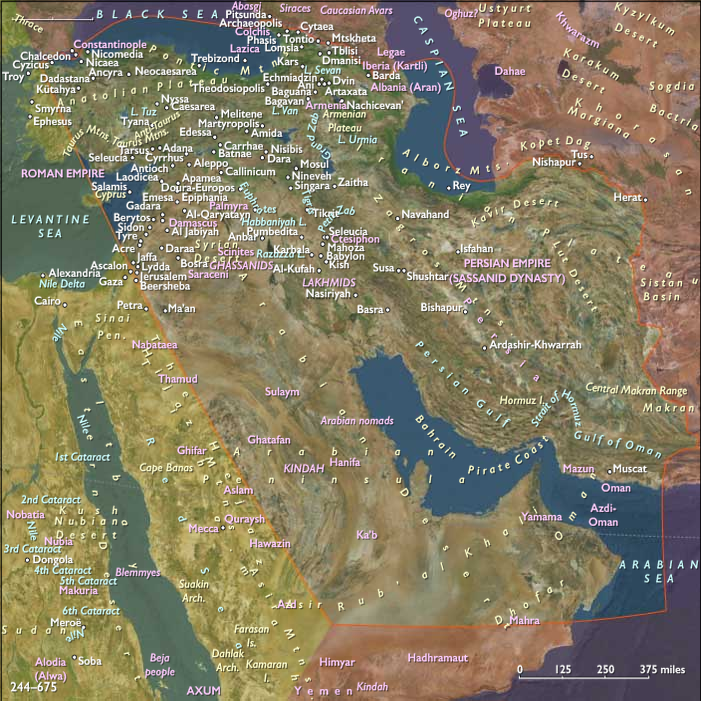
- Middle East
- Near East
- Western Southeast Europe
- South Central Europe
- Mediterranean West Europe
- Mediterranean Southwest Europe
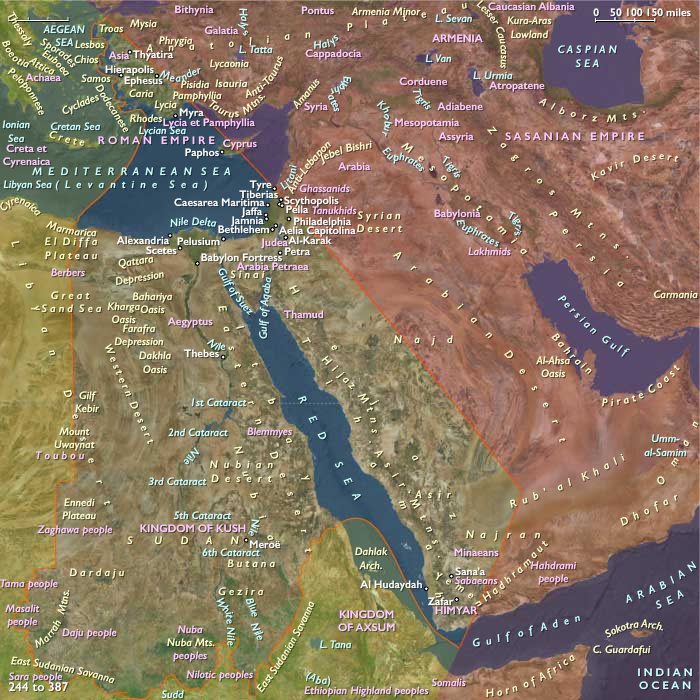
- North Africa
- Atlantic West Europe
- Northwest Europe





Related Events
Showing 10 events out of 60511 total
Years: 244 - 387
Commodoties
Subjects
Regions
- East Asia
- Central Asia
- South Asia
- The Near and Middle East
- Central Europe
- West Europe
- North Europe
- North Africa
- Southwest Europe
Subregions
- Maritime East Asia
- Central Asia
- Eastern Southeast Europe
- Middle East
- Near East
- Western Southeast Europe
- South Central Europe
- Mediterranean West Europe
- Mediterranean Southwest Europe
- North Africa
- Atlantic West Europe
- Northwest Europe