
Saint Martin of Tours: Soldier, Monk, and …
Years: 361 - 361
Saint Martin of Tours: Soldier, Monk, and Bishop (c. 316–397 CE)
Martin of Tours, a former Roman soldier from Pannonia, became one of the most revered Christian figures in Late Antiquity, known for his acts of charity, monastic leadership, and opposition to military service as a Christian. His life exemplified the transition of the Roman world toward Christian values, marking him as a central figure in early medieval Christianity.
1. Martin’s Background and Military Service
- Born in Pannonia (modern Hungary) around 316 CE, Martin was the son of a Roman officer, making him legally required to serve in the Roman army.
- He was stationed in Gaul, where he likely served as a cavalry officer.
- As he deepened in Christian faith, Martin struggled with the idea of bearing arms, believing that a "soldier of Christ" should not fight against fellow Christians.
2. The Cloak-Sharing Incident at Amiens
- By tradition, while still a soldier, Martin encountered a naked beggar at the gates of Amiens.
- In an act of compassion, he cut his military cloak in half, giving one part to the beggar.
- That night, he had a vision of Christ wearing the cloak, confirming his faith and deepening his commitment to Christian service.
3. Leaving the Military and Joining Hilary of Poitiers (c. 360 CE)
- Around 360 CE, Martin joined Hilary of Poitiers, the staunch defender of Nicene Christianity against Arianism.
- Hilary had been exiled due to his opposition to Arianism but returned in 361 CE.
- Martin established the monastery of Ligugé, the first monastery in Gaul, laying the foundation for Western monasticism.
4. Martin’s Legacy in Gaul
- He later became Bishop of Tours (c. 371 CE) and continued his missionary work, converting the rural population of Gaul to Christianity.
- He was a strong advocate for monastic life, influencing the rise of monasteries throughout Gaul.
- His refusal to support military force in religious matters set an important precedent in Christian ethics.
5. Conclusion: A Symbol of Christian Compassion and Monasticism
- Saint Martin’s life reflected the transformation of the Roman Empire from a militarized pagan state to a Christianized world.
- His charitable actions, rejection of violence, and commitment to monasticism made him one of the most venerated saints of medieval Europe.
- His legacy continued through the spread of monastic traditions and the growing influence of Christian ideals in Roman and medieval society.
Through his acts of kindness, spiritual leadership, and monastic foundation, Martin of Tours became a symbol of Christian piety and service, inspiring generations of believers and monks throughout Europe.
Locations
People
Groups
- Gallia Aquitania (Roman province)
- Gaul, Diocese of
- Christianity, Nicene
- Gaul, Praetorian prefecture of
Topics
Subjects
Regions
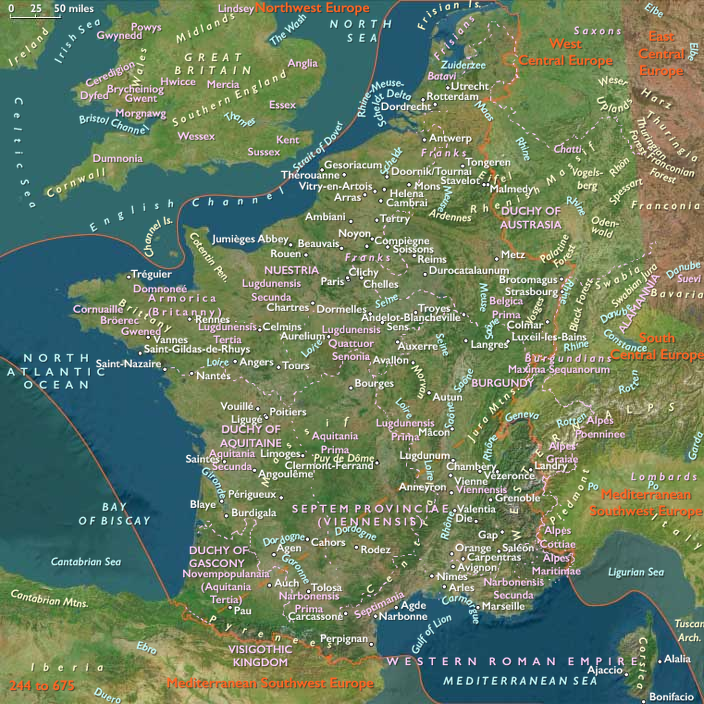
Subregions
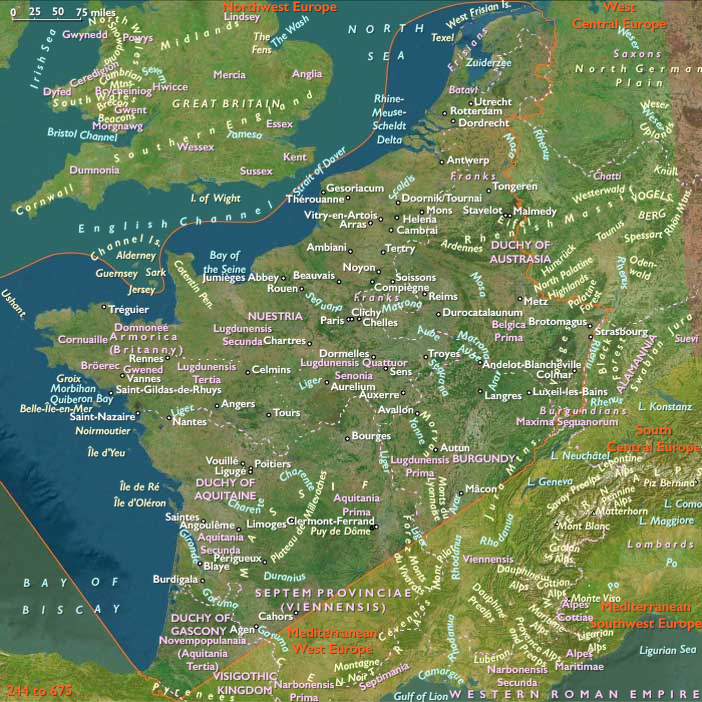
Related Events
Showing 10 events out of 59727 total
Years: 361 - 361
Locations
People
Groups
- Gallia Aquitania (Roman province)
- Gaul, Diocese of
- Christianity, Nicene
- Gaul, Praetorian prefecture of
Topics
Subjects
Regions
Subregions