
The European Economic Depression and Agricultural …
Years: 1846 - 1846
The European Economic Depression and Agricultural Crises (1845–1848)
The pan-European economic depression, accompanied by widespread crop failures, entered its second year in 1846, intensifying social unrest, economic hardship, and political instability across Europe. The continued agricultural collapse and industrial downturn exacerbated tensions between the ruling elites and the working classes, fueling the conditions that would eventually culminate in the Revolutions of 1848.
The Worsening Agricultural Crisis (1846)
-
Crop Failures Intensify
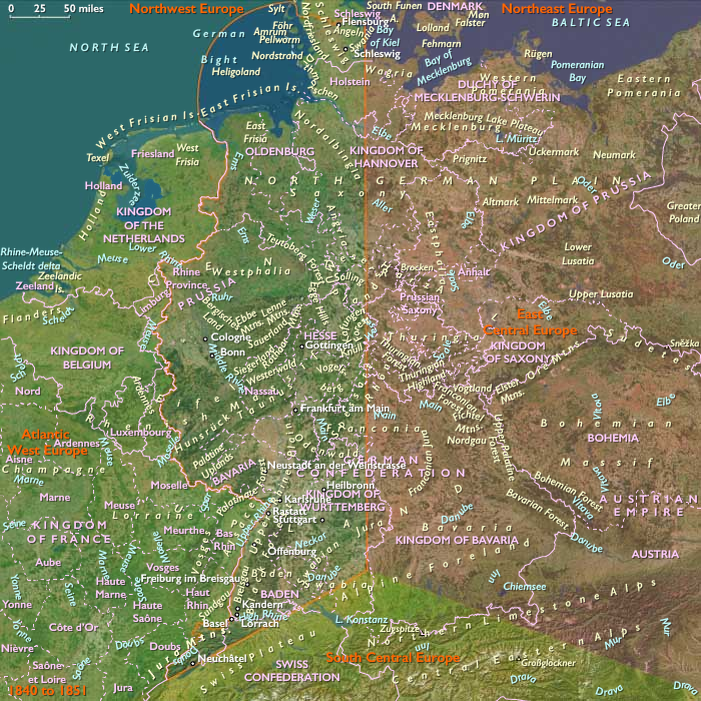
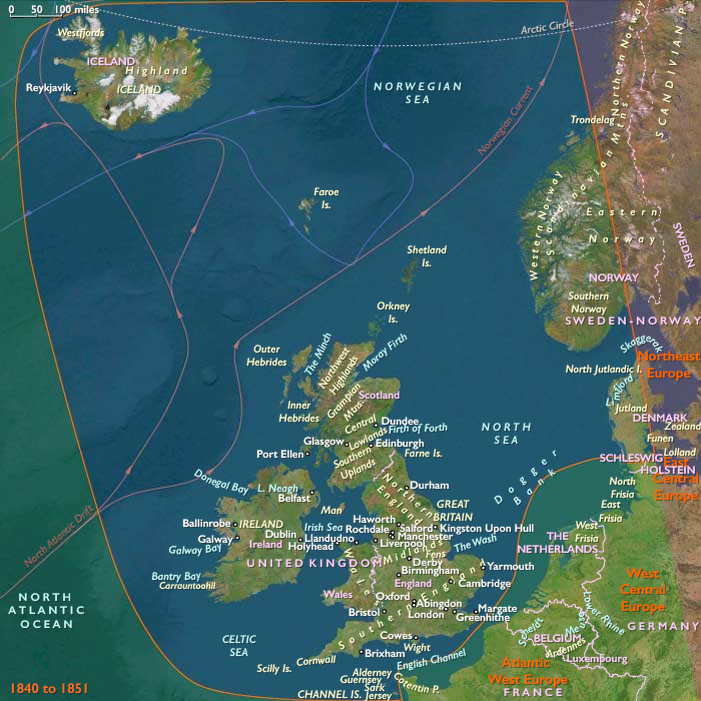
- The potato blight (Phytophthora infestans) persisted, further devastating harvests across Ireland, Scotland, and Germany, worsening famine conditions.
- Grain shortages became even more severe, leading to soaring food prices and widespread hunger.
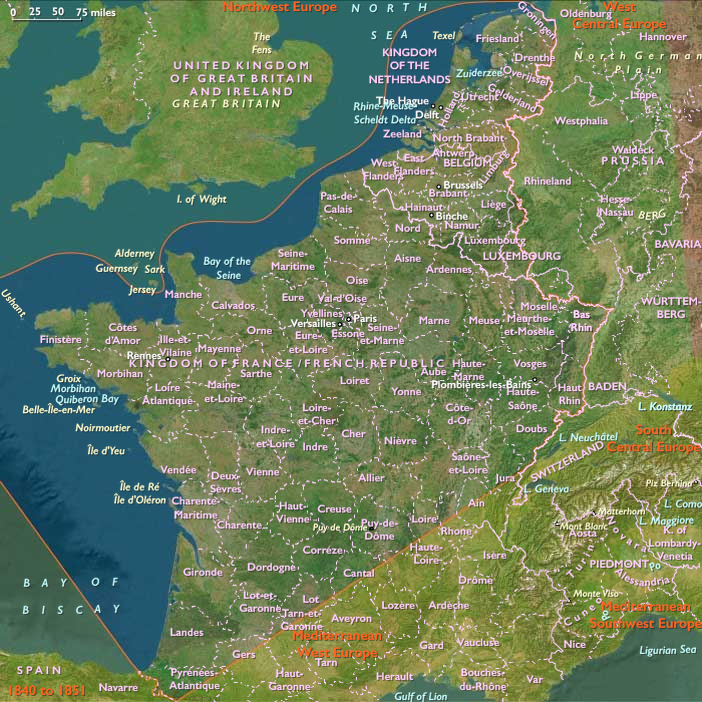
- Rural distress deepened, particularly in France, Italy, and Austria, where peasant revolts and migrations increased.
-
Escalating Industrial Decline
- A prolonged downturn in manufacturing caused mass layoffs, especially in textile-producing regionsof Britain, Belgium, and Germany.
- Factory closures and declining wages fueled working-class agitation in urban centers.
-
Financial Strains and Government Responses
- Credit shortages and faltering investor confidence triggered bank failures in several European financial hubs.
- Governments struggled to maintain stability, with rising public debt and fiscal crises adding to the turmoil.
Escalating Social and Political Consequences
-
The Irish Great Famine deepens (1845–1852)
- Starvation and disease spread, with over a million deaths and escalating emigration.
-
Food Riots and Urban Uprisings Spread
- Hunger-driven unrest and demands for relief intensified in France, the German states, and Italy.
- The failure of authorities to address grievances led to increased revolutionary sentiment.
-
Monarchies and Conservative Regimes Weaken
- Governments across Europe faced growing pressure for constitutional reforms and social relief measures.
- Political dissatisfaction among the bourgeoisie and working classes continued to build momentum toward radical upheaval.
Toward the Revolutions of 1848
As 1846 unfolded, the deepening economic and food crisis eroded confidence in existing political structures. The inability of monarchies and conservative governments to address economic distress would accelerate calls for political change, setting the stage for the widespread revolutions that would erupt two years later.
Topics
Commodoties
Subjects
Regions
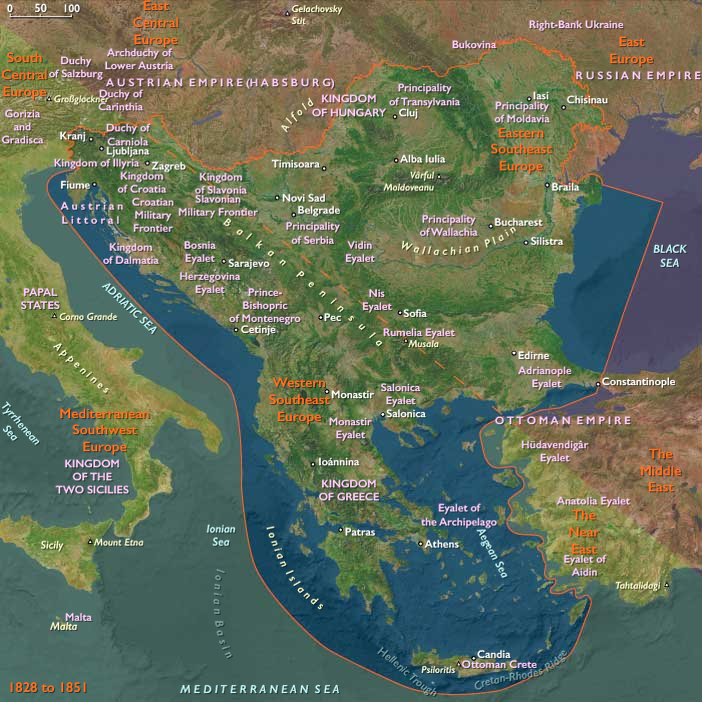
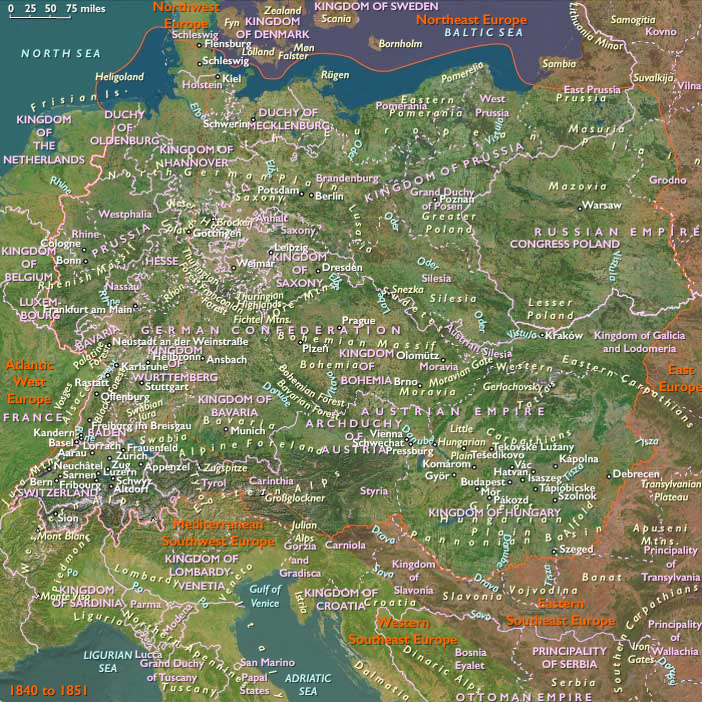

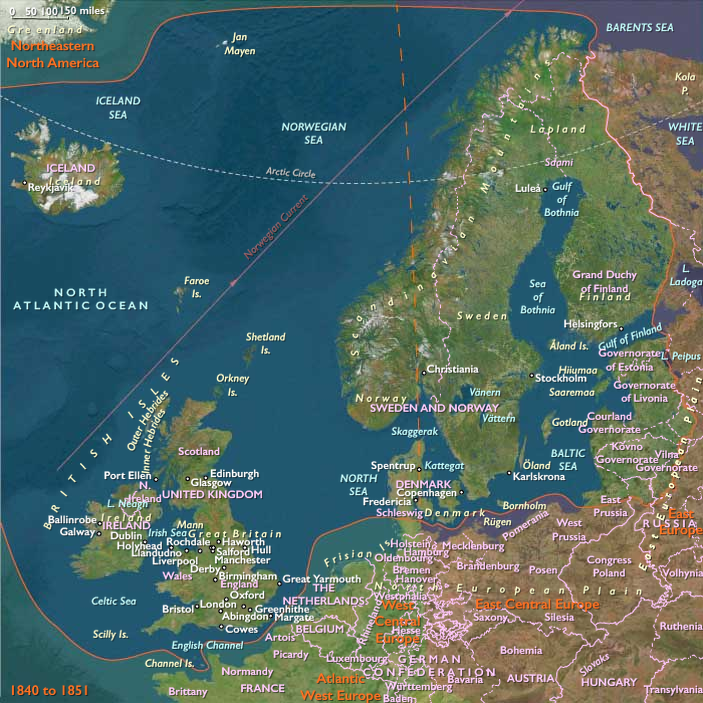

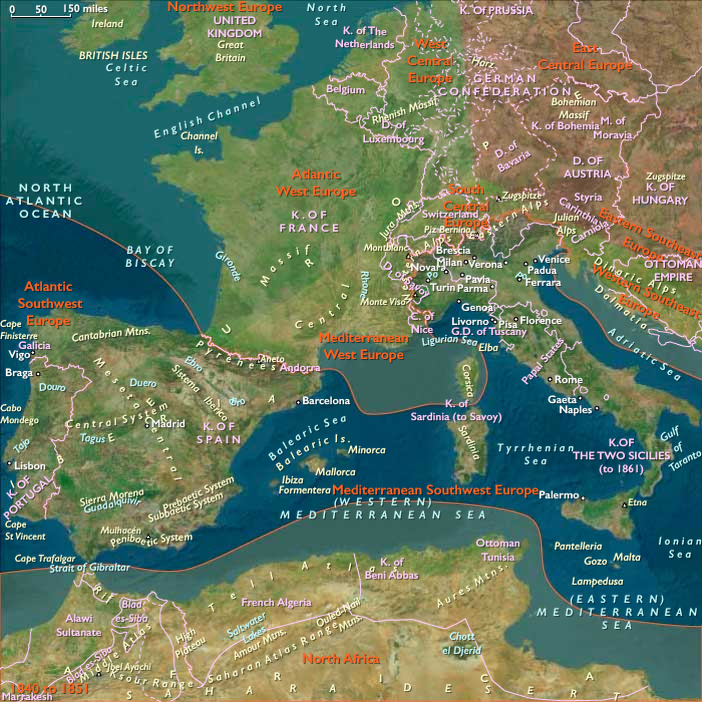
Subregions
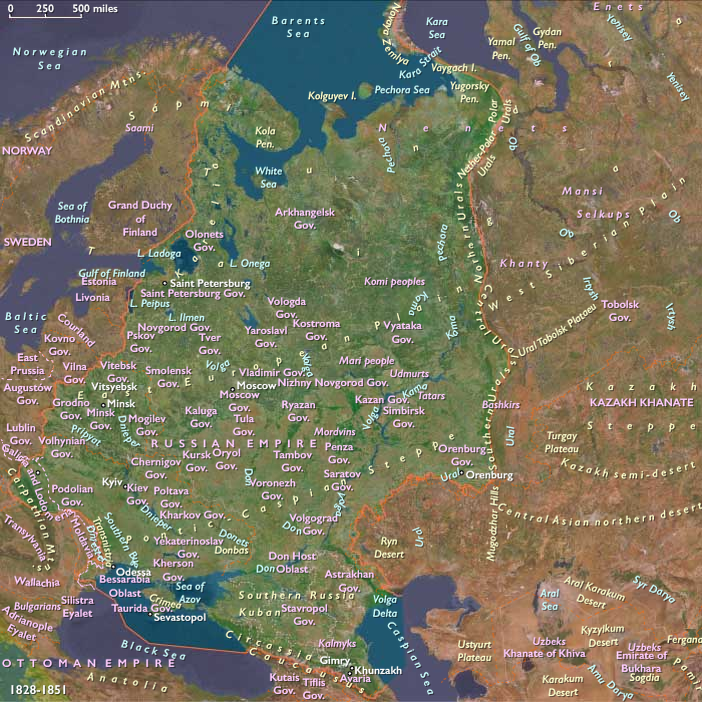
- East Europe
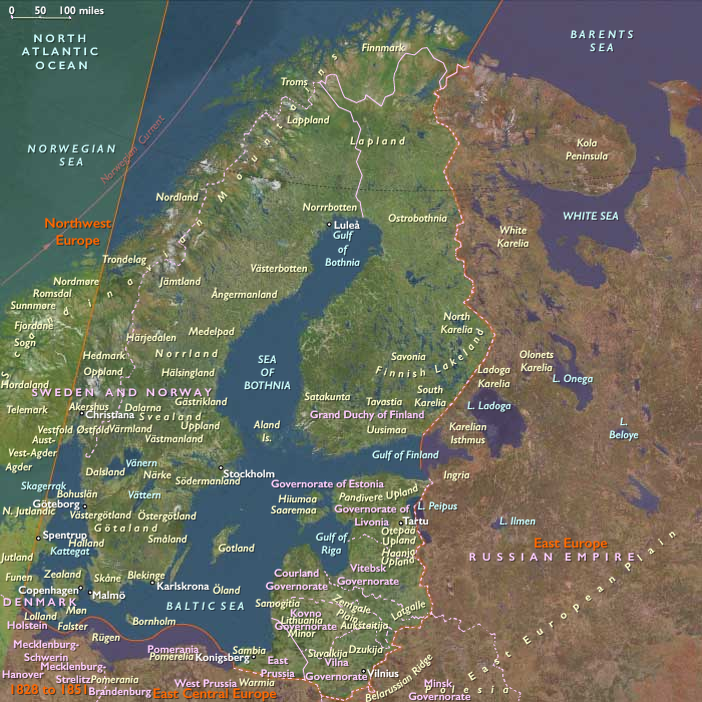
- Northeast Europe
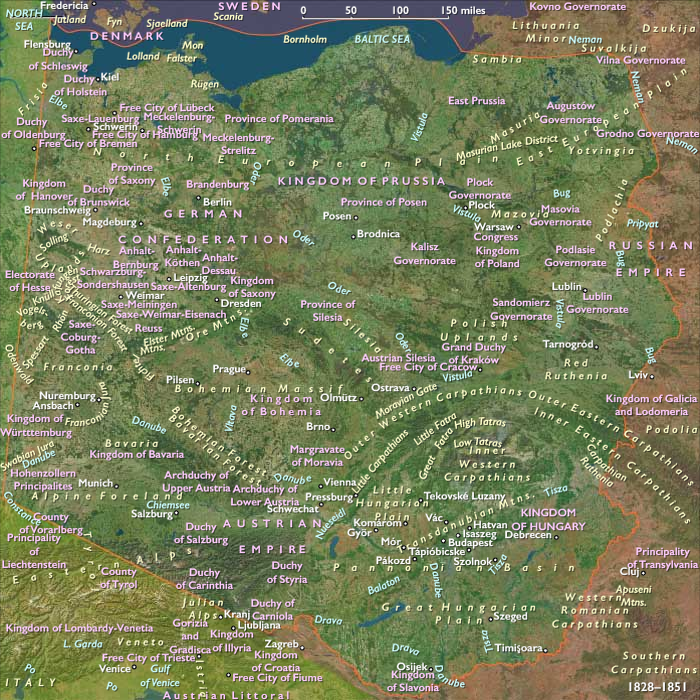
- East Central Europe
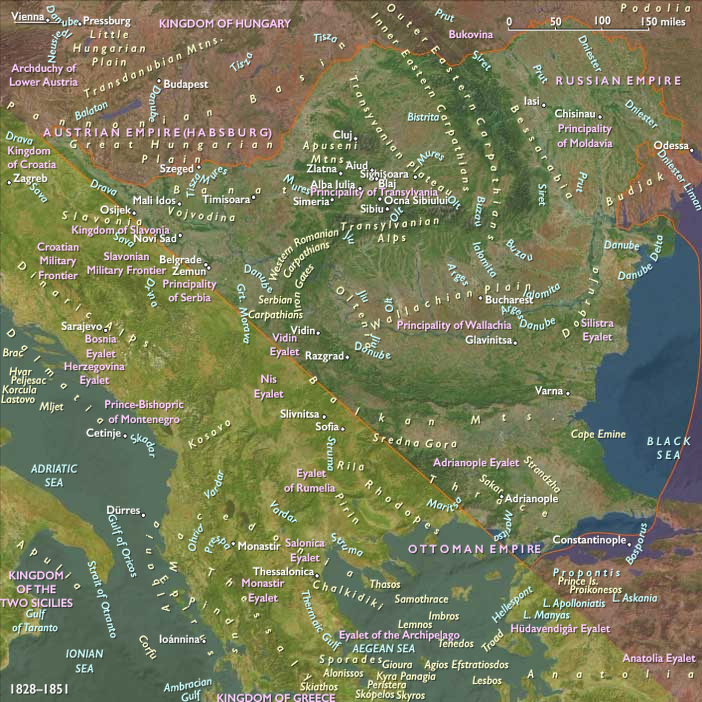
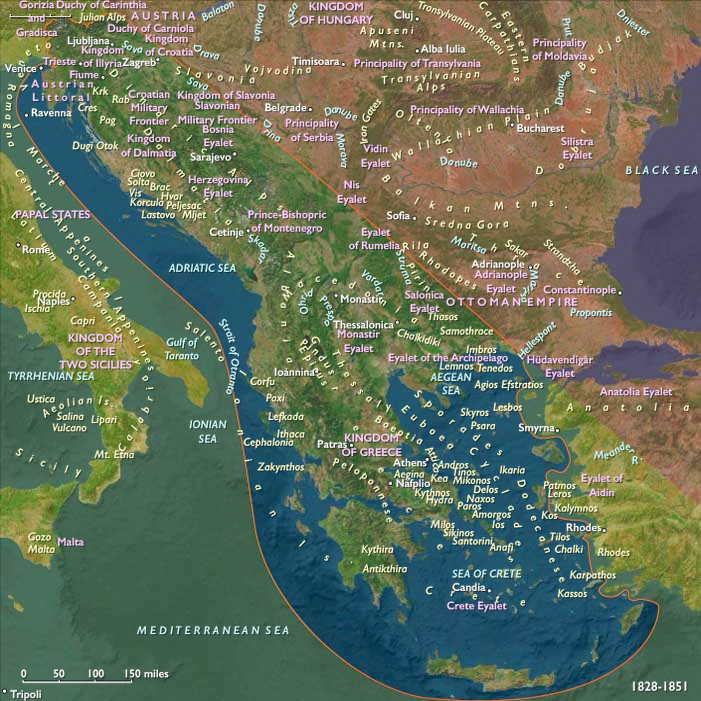
- Eastern Southeast Europe
- Western Southeast Europe
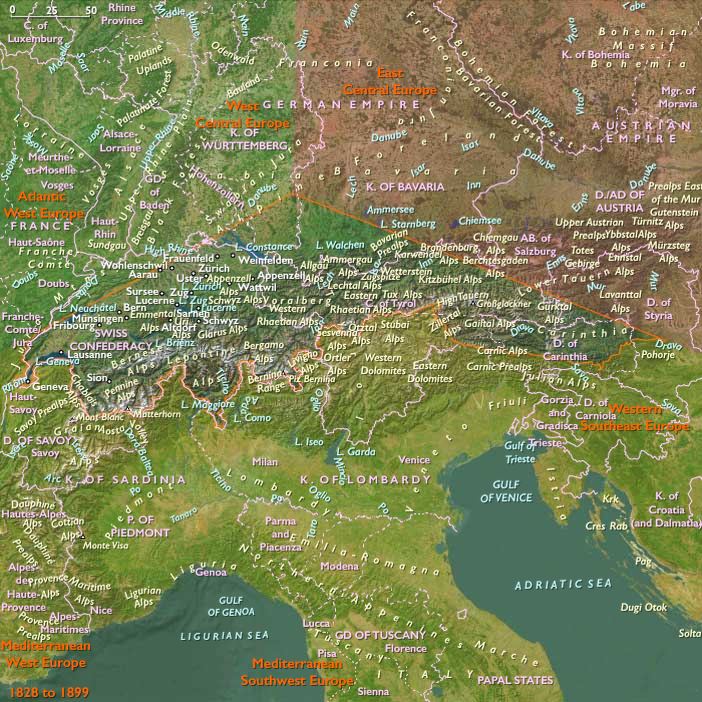
- South Central Europe
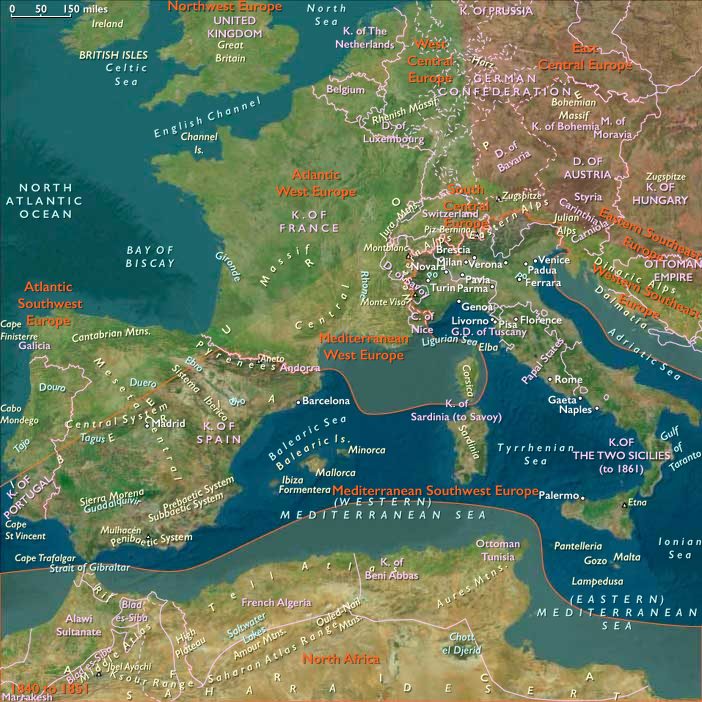
- Mediterranean Southwest Europe
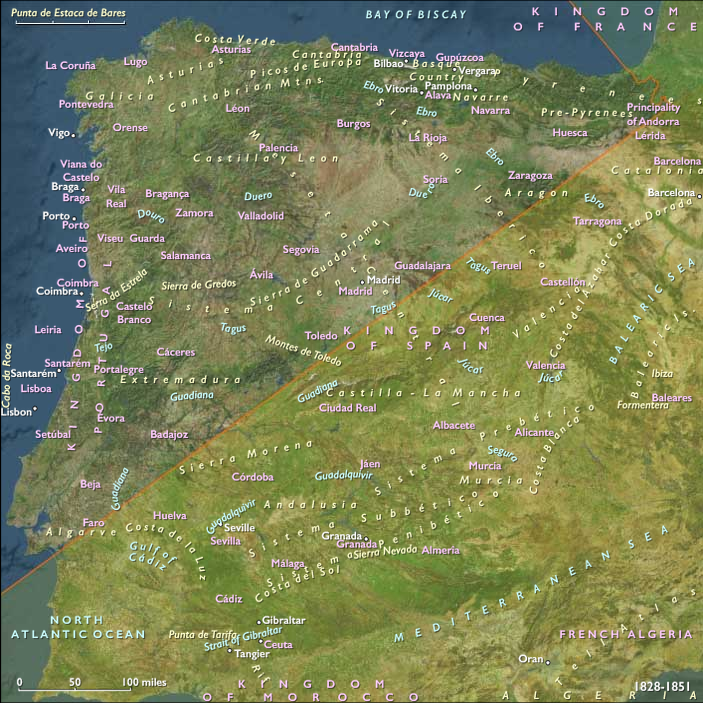
- Atlantic Southwest Europe
- Atlantic West Europe
- West Central Europe
- Northwest Europe
Years: 1846 - 1846
Topics
Commodoties
Subjects
Regions
Subregions
- East Europe
- Northeast Europe
- East Central Europe
- Eastern Southeast Europe
- Western Southeast Europe
- South Central Europe
- Mediterranean Southwest Europe
- Atlantic Southwest Europe
- Atlantic West Europe
- West Central Europe
- Northwest Europe