
The fearsome cave bear (Ursus spelaeus) …
Years: 70029BCE - 49294BCE
The fearsome cave bear (Ursus spelaeus) likely became extinct around 27,800 years ago, according to recent fossil reassessments.
Rather than a single cause, a combination of factors is believed to have led to its extinction. While overhunting by humans has largely been dismissed—since human populations at the time were too small to pose a significant threat—evidence suggests that cave bears and humans may have competed for shelter, particularly in caves.
Mitochondrial DNA research indicates that the cave bear's genetic decline began long before its extinction, ruling out climate change-induced habitat loss as the direct cause. However, a recent DNA study suggests that cave bear populations started declining around 50,000 years ago, coinciding with an increase in human populations.
Unlike its close relative, the brown bear, the cave bear was highly dependent on a vegetarian diet, making it less adaptable to environmental changes. Additionally, evidence suggests that cave bears exclusively used caves for hibernation, unlike brown bears, which could hibernate in thickets or other natural shelters. This specialized hibernation behavior likely contributed to high winter mortality when suitable caves were unavailable.
As human populations gradually expanded, both Neanderthals and anatomically modern humans increasingly occupied caves as living quarters, reducing the availability of essential hibernation sites for cave bears. Over time, this competition for shelter may have contributed to their gradual extinction.
Interestingly, cave bears are rarely depicted in prehistoric cave paintings, leading some researchers to speculate that human hunters may have avoided them, or that their habitat preferences simply did not overlap with early human settlements.
Groups
Topics
Commodoties
Subjects
Regions
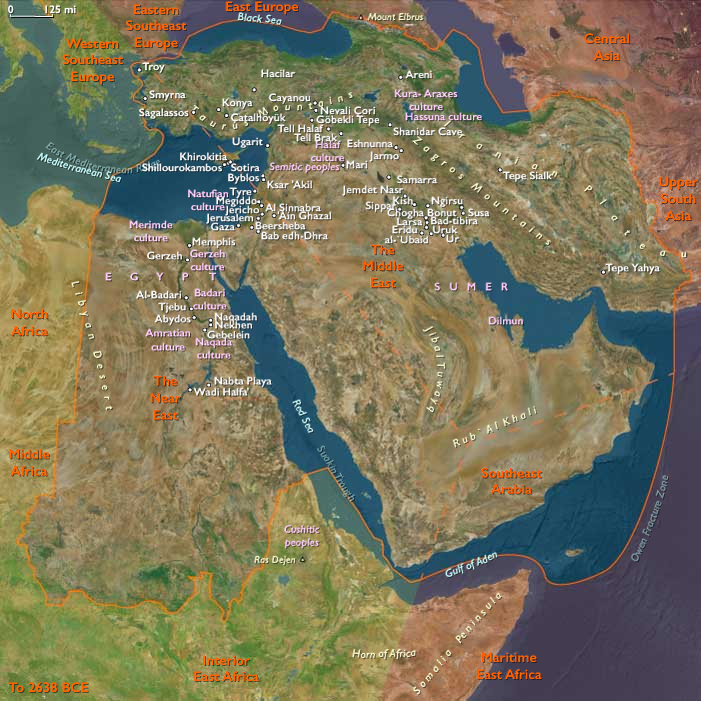
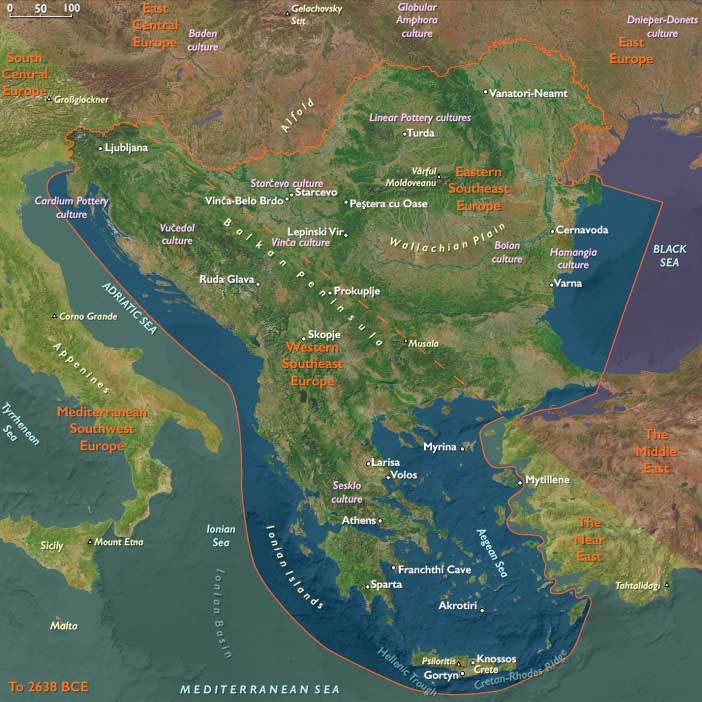
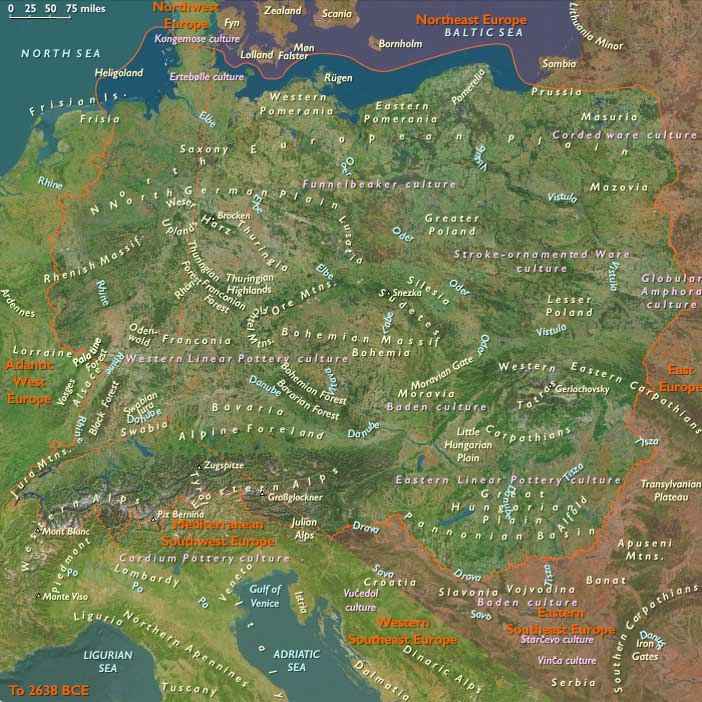
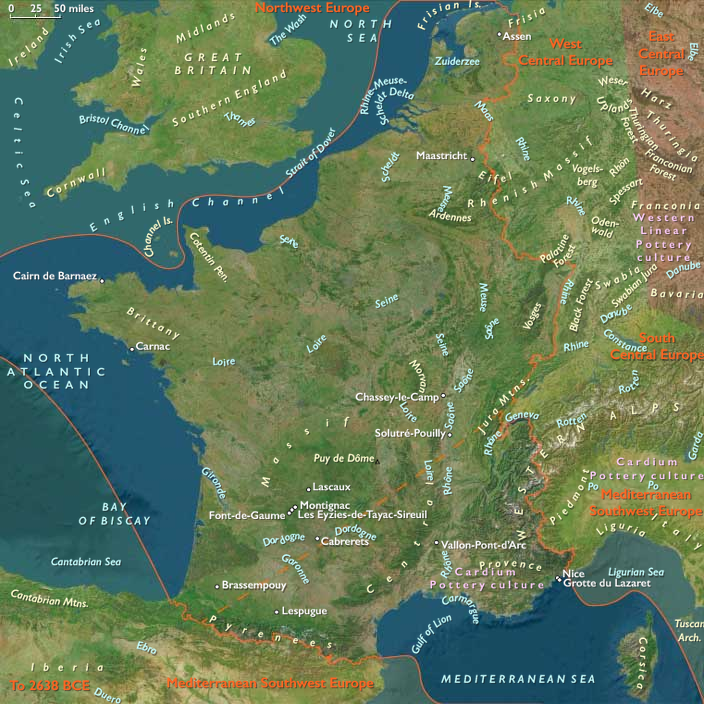
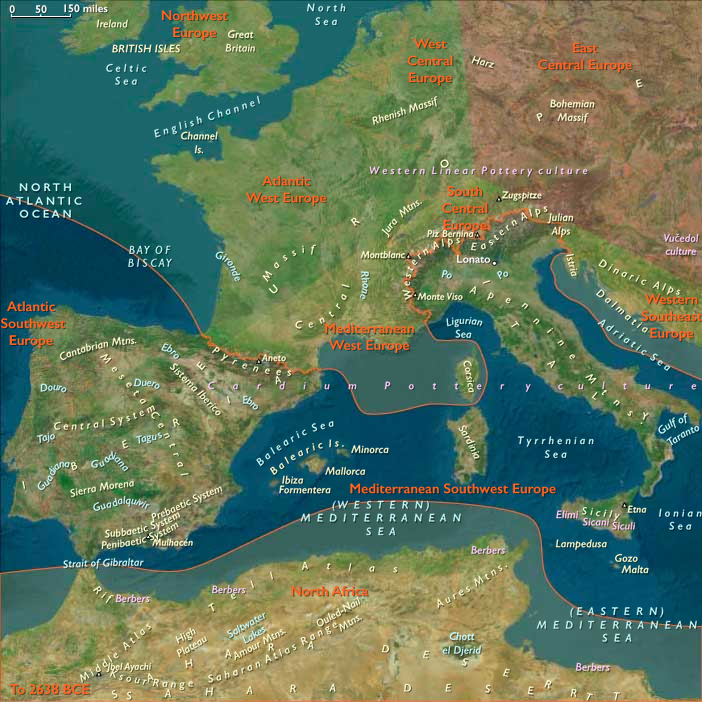
Subregions
- East Europe
- East Central Europe
- Eastern Southeast Europe
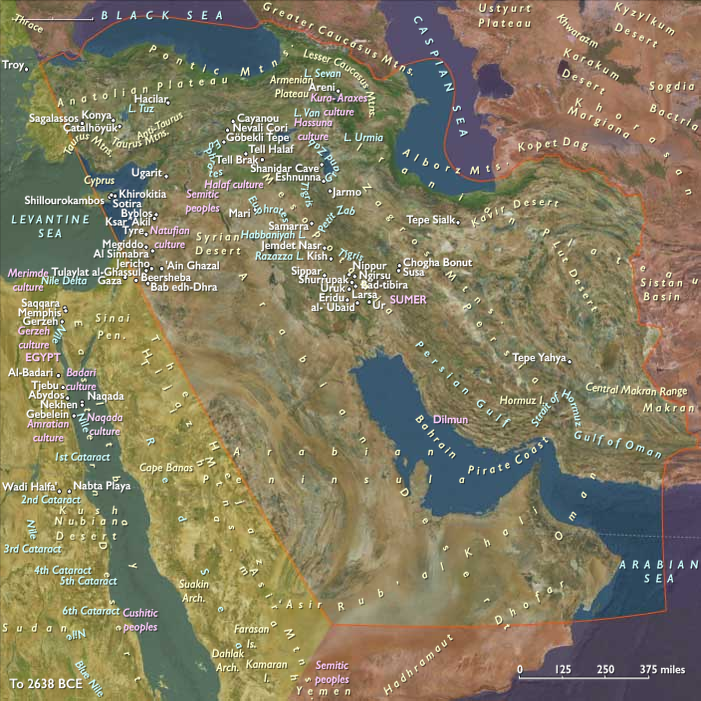
- Middle East
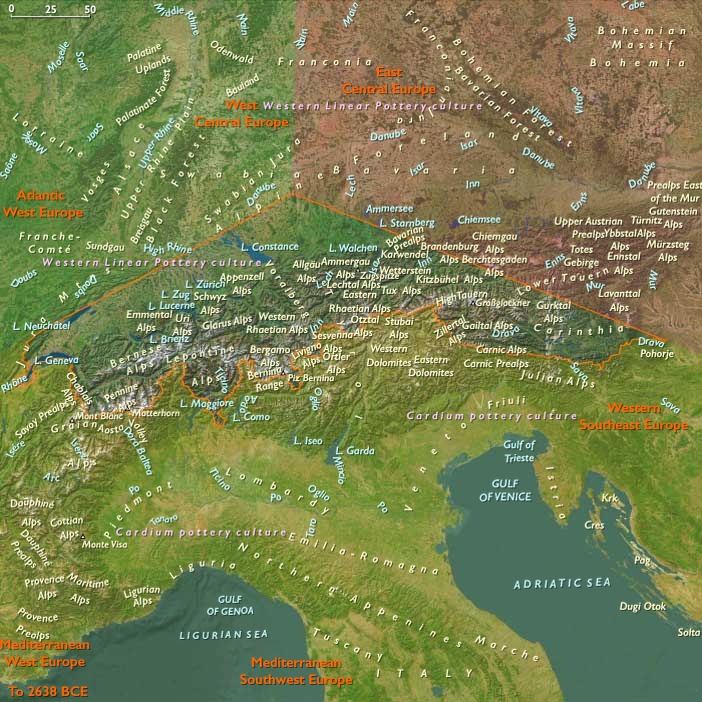
- South Central Europe
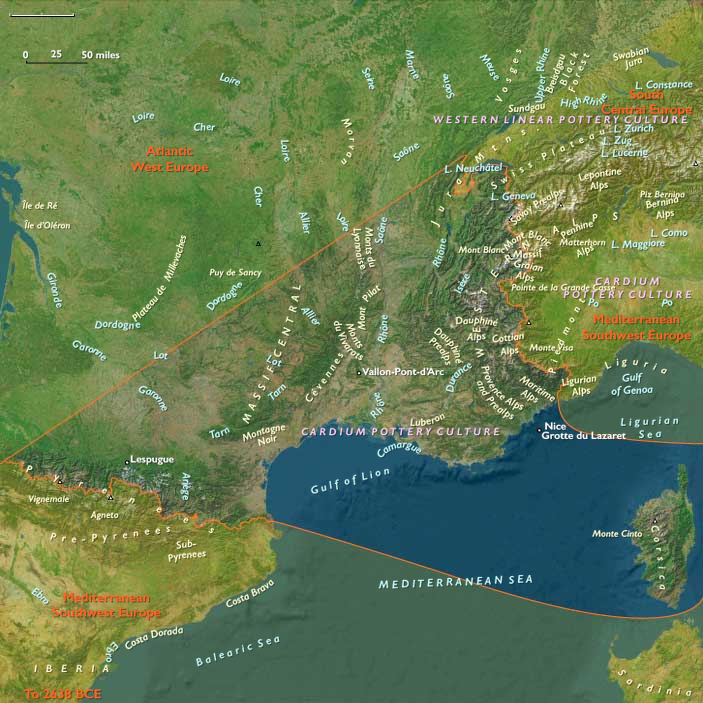
- Mediterranean West Europe
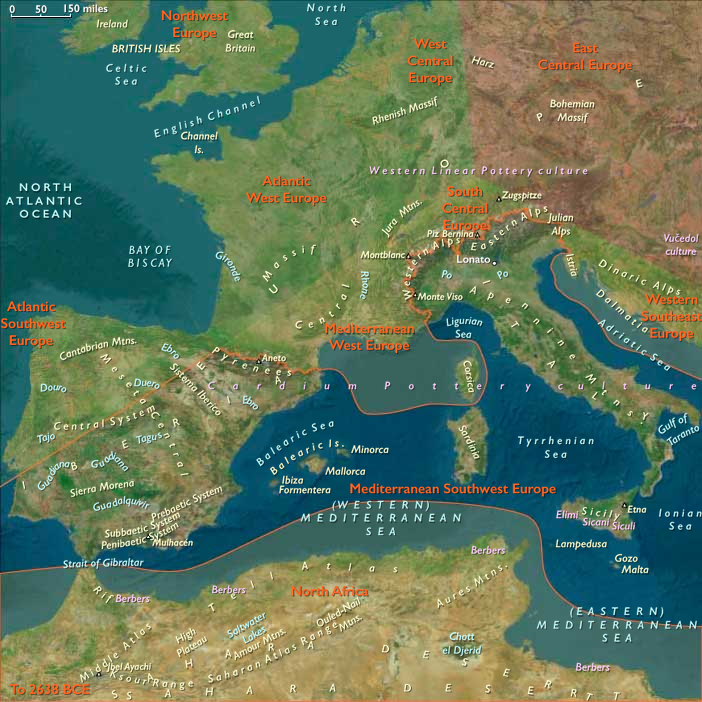
- Mediterranean Southwest Europe
- Atlantic Southwest Europe
- Atlantic West Europe
- West Central Europe
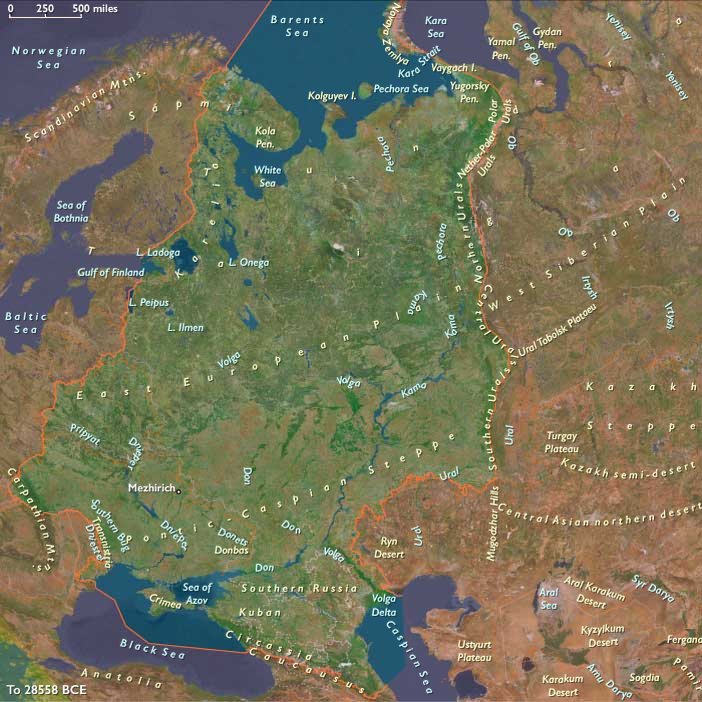
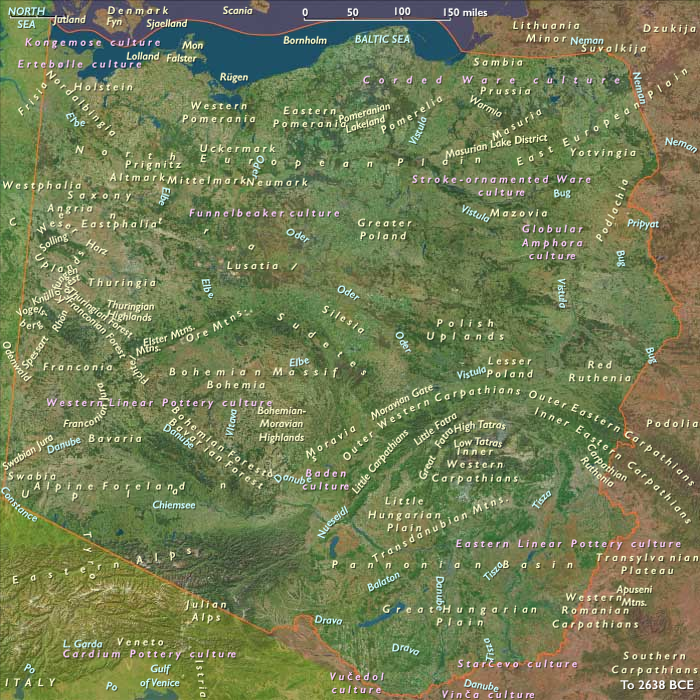
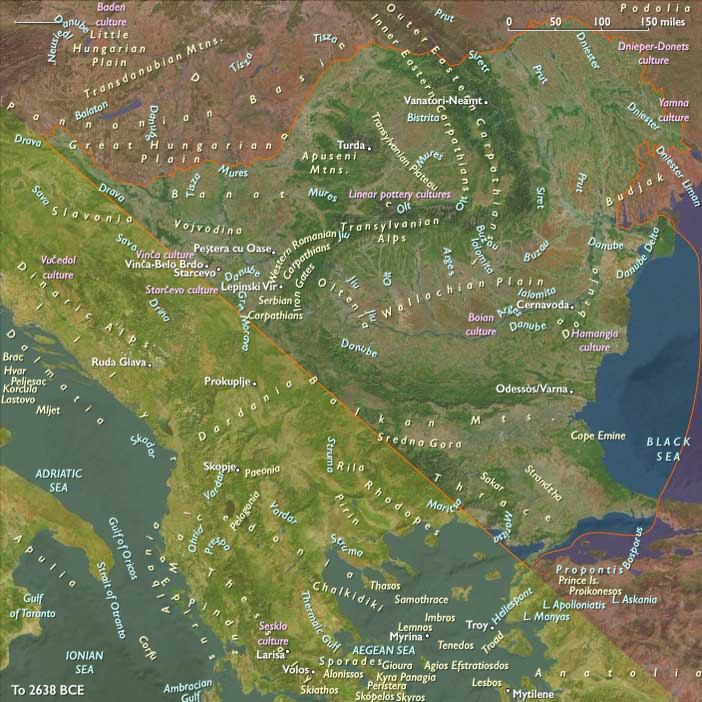
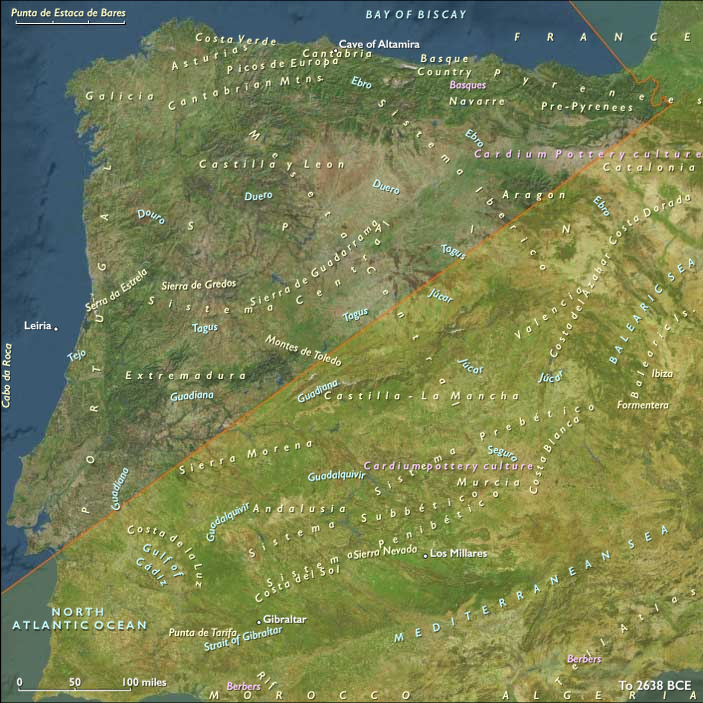
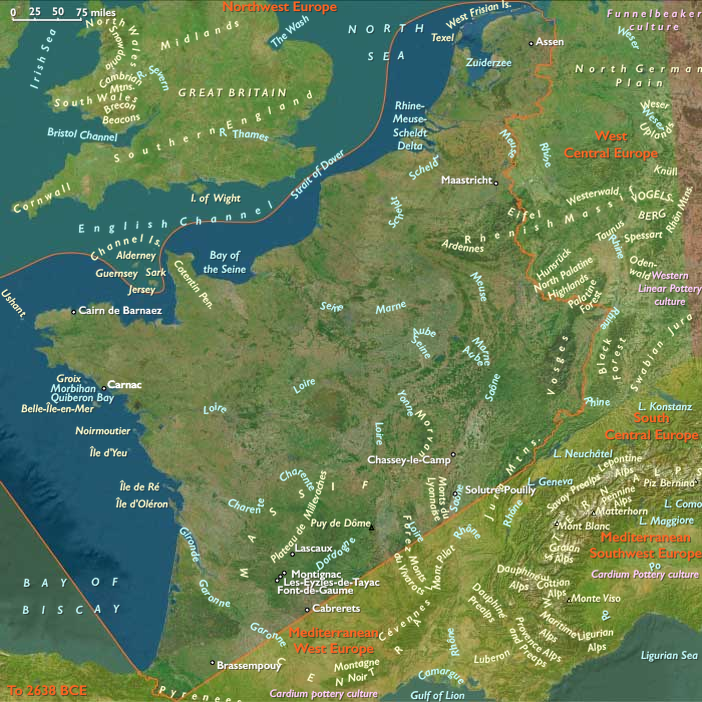
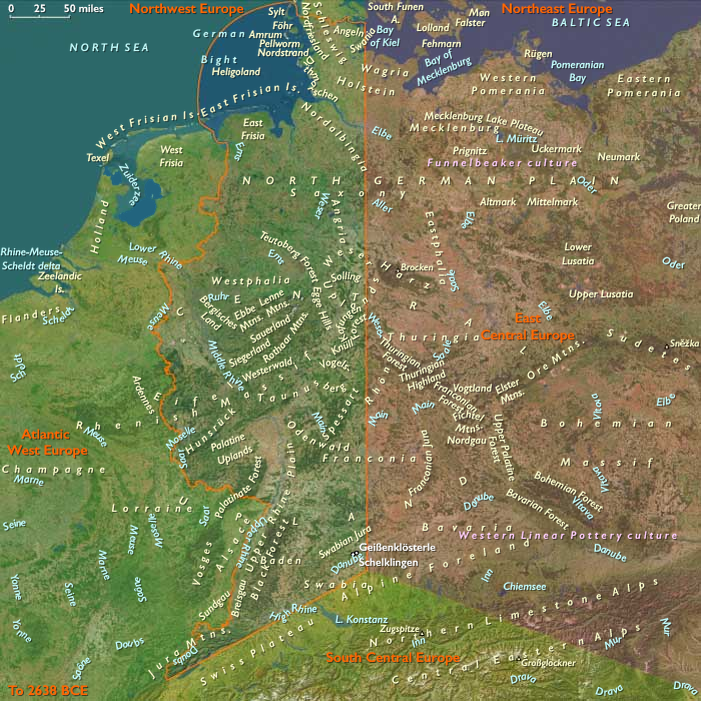
Years: 70029BCE - 49294BCE
Groups
Topics
Commodoties
Subjects
Regions
Subregions
- East Europe
- East Central Europe
- Eastern Southeast Europe
- Middle East
- South Central Europe
- Mediterranean West Europe
- Mediterranean Southwest Europe
- Atlantic Southwest Europe
- Atlantic West Europe
- West Central Europe