
The Letter of Prester John and Its …
Years: 1156 - 1167
The Letter of Prester John and Its Lasting Influence (c. 1165 CE)
Around 1165, a mysterious letter began circulating across medieval Europe, purportedly written by Prester John, a legendary Christian king and priest ruling a marvelous, hidden kingdom in the East. Addressed to Emperor Manuel I Komnenos of Constantinople, this epistolary wonder tale described a fantastic realm of unimaginable riches, exotic creatures, and magical wonders.
Origins and Literary Influences
- The letter shares elements with earlier legends, suggesting its unknown author was familiar with:
- The Romance of Alexander, a medieval tale about Alexander the Great’s legendary conquests.
- The Acts of Thomas, an early Christian text that linked apostolic missions to India.
- The letter claims that Prester John is a descendant of one of the Three Magi, reinforcing the idea that Christianity had spread far beyond Europe.
The Marvels of Prester John’s Kingdom
The letter describes a utopian land filled with:
- Immense riches, including palaces of gold and gems.
- Magical wonders, such as fountains of youth and rivers of precious stones.
- Exotic creatures, including giants, horned men, and griffins.
- A kingdom where justice prevails, sin is absent, and all people live in harmony.
Translation, Circulation, and Popularity
- The letter was translated into many European languages, including Hebrew, fueling speculation about a powerful Christian ruler in the East.
- It circulated widely for centuries, with over a hundred manuscript copies still surviving today.
- The invention of printing in the 15th century only increased its popularity, keeping the legend alive well into the period of European exploration.
Impact on European Thought and Exploration
- The idea that a lost kingdom of Nestorian Christians existed in Central Asia intrigued European rulers and the Papacy.
- In the mid-13th century, when the Mongol Empire advanced against Muslim territories, some Europeans mistakenly associated the Mongols with Prester John, believing them to be the long-lost Christian allies of the West.
- The legend influenced explorers searching for Prester John’s kingdom, contributing to early European geographical curiosity about Africa and Asia.
Legacy
- The legend of Prester John persisted for centuries, shifting in location from Central Asia to Ethiopia as European knowledge of the East expanded.
- It shaped medieval European perceptions of the non-Christian world, reinforcing hopes of Christian allies beyond Islamic lands.
- Even as the Age of Exploration progressed, the myth of Prester John remained embedded in popular culture, symbolizing a lost Christian utopia in the East.
Though entirely fictional, the Letter of Prester John became one of the most enduring myths of the medieval world, influencing both religious diplomacy and early European exploration.
People
Groups
- Christians, Eastern (Diophysite, or “Nestorian”) (Church of the East)
- Roman Empire, Eastern: Komnenos dynasty, restored
Commodoties
Subjects
Regions
Subregions
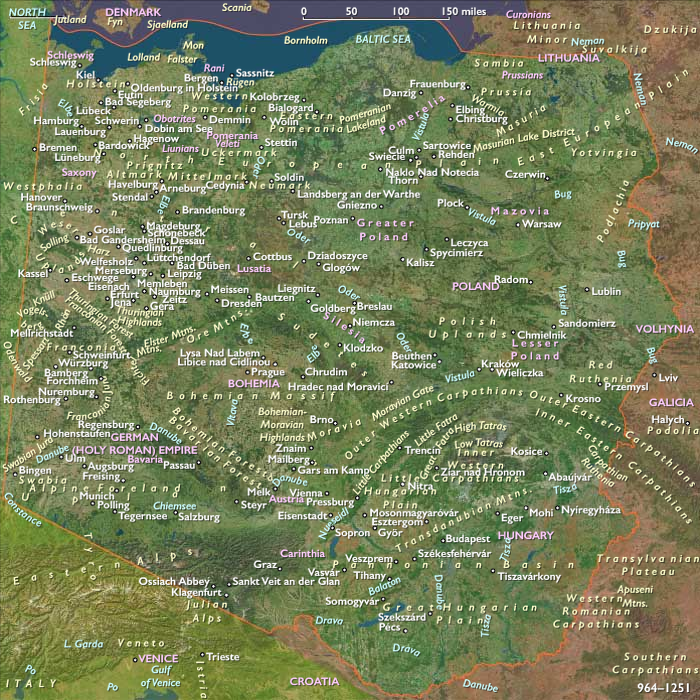
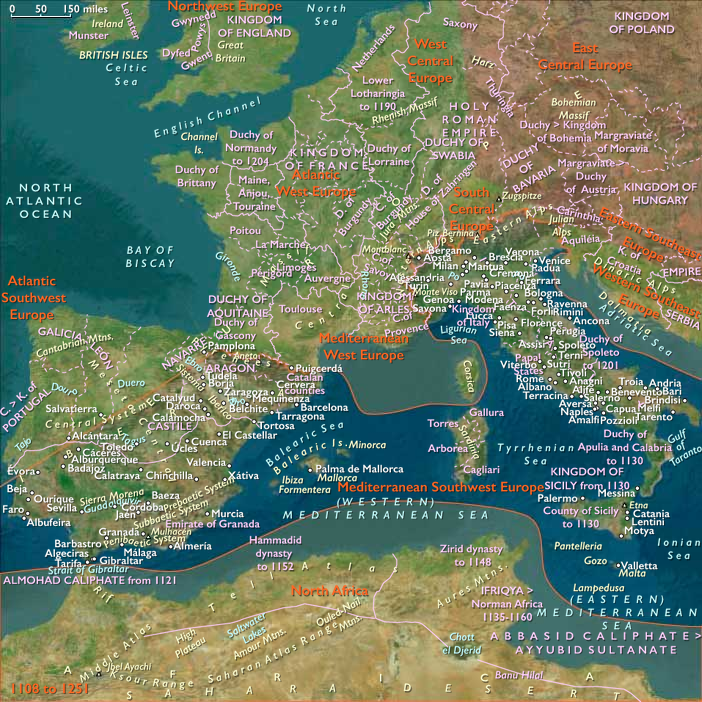
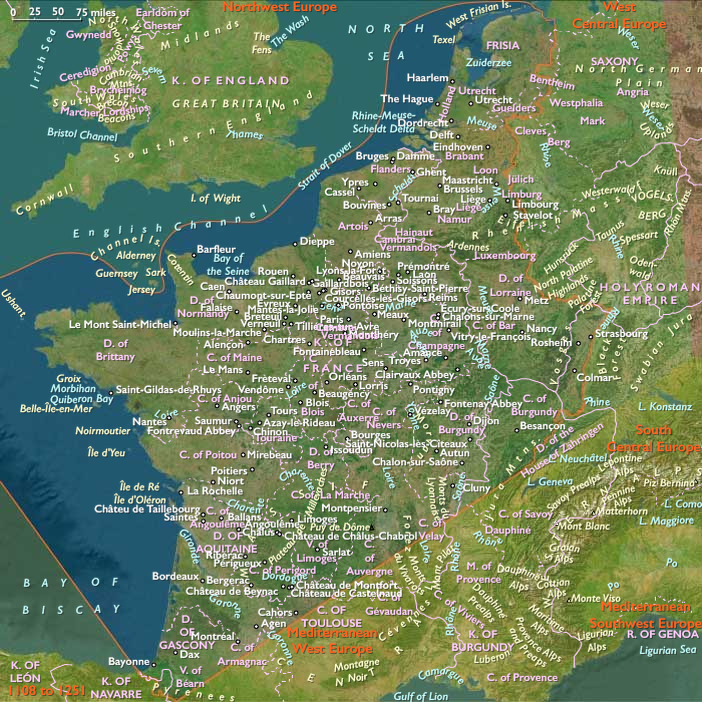
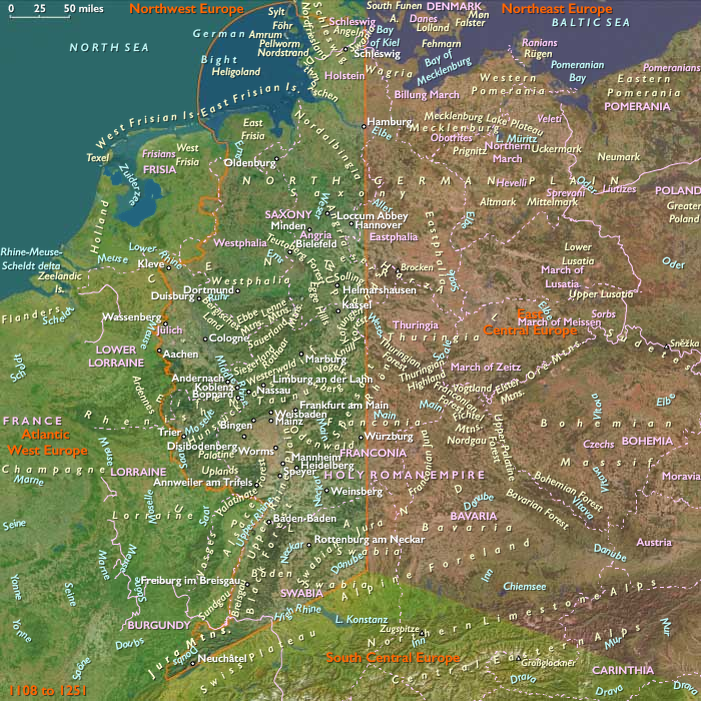
- East Central Europe
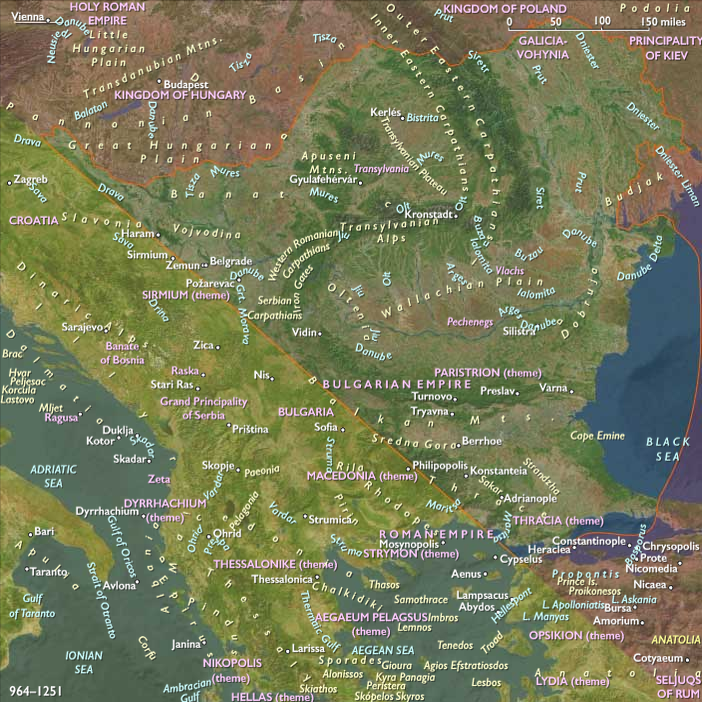
- Eastern Southeast Europe
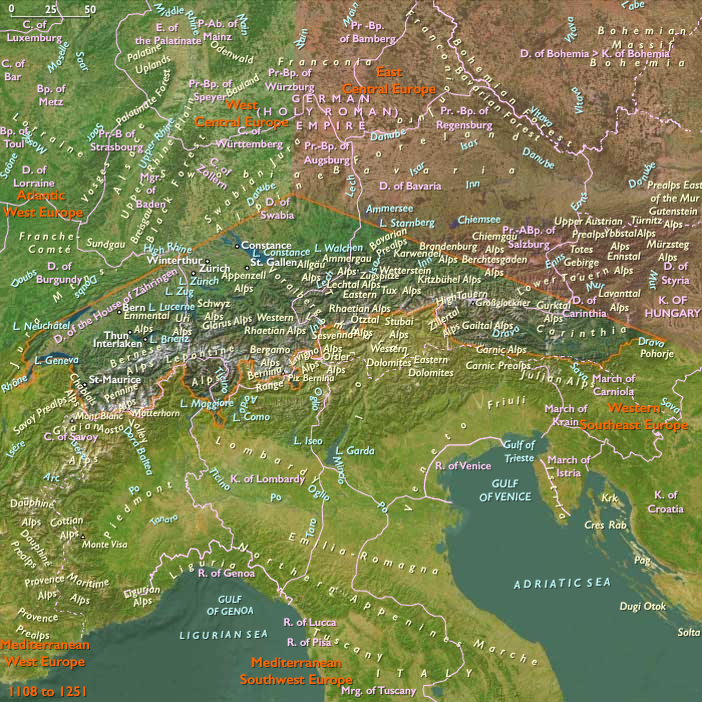
- South Central Europe
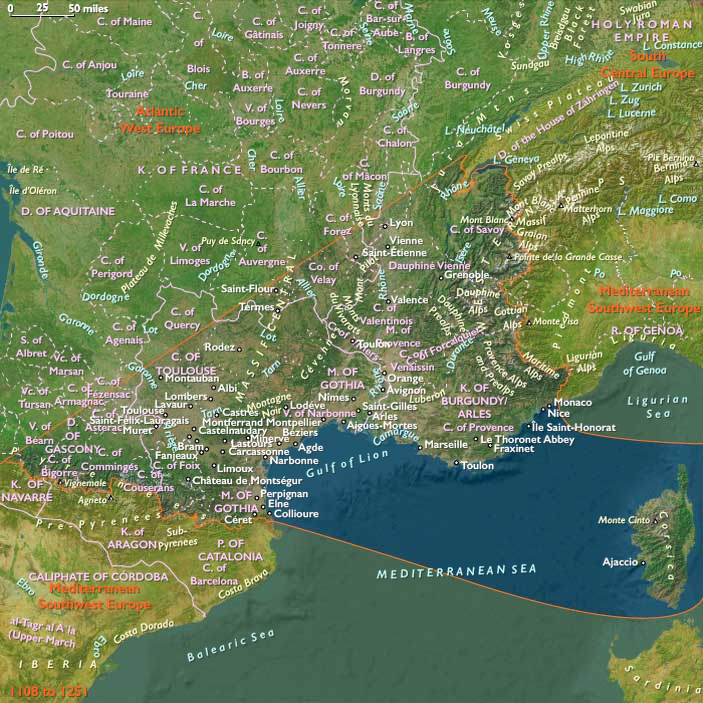
- Mediterranean West Europe
- Mediterranean Southwest Europe
- Atlantic West Europe
- West Central Europe
Related Events
Showing 10 events out of 48604 total
Years: 1156 - 1167
People
Groups
- Christians, Eastern (Diophysite, or “Nestorian”) (Church of the East)
- Roman Empire, Eastern: Komnenos dynasty, restored
Commodoties
Subjects
Regions
Subregions
- East Central Europe
- Eastern Southeast Europe
- South Central Europe
- Mediterranean West Europe
- Mediterranean Southwest Europe
- Atlantic West Europe
- West Central Europe