The Siege of Lisbon (1384) and the Anglo-Portuguese Alliance
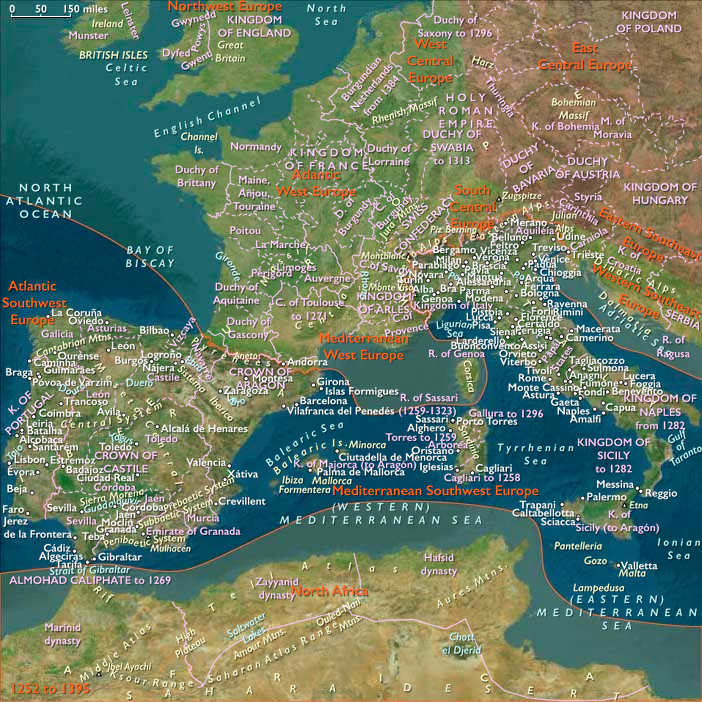
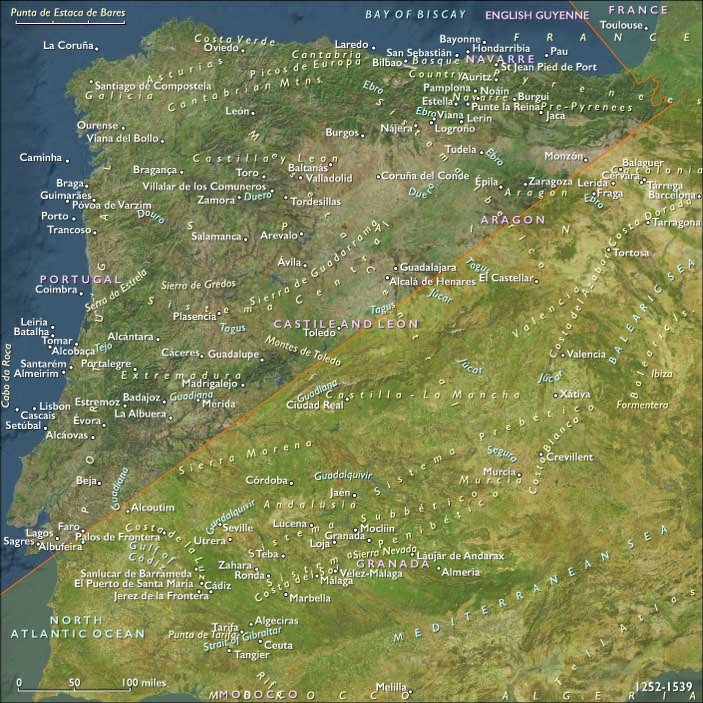
Following his defeat at the Battle of Atoleiros, John I of Castile launched a larger, second expedition into Portugalin 1384, this time leading the army himself. His goal was to crush the Portuguese resistance and secure the throne for his wife, Beatrice of Portugal, effectively annexing Portugal into Castile.
The Four-Month Siege of Lisbon (May–September 1384)
- The Castilian army reached Lisbon and laid siege to the city for four months (May–September 1384).
- John of Aviz and the people of Lisbon mounted a fierce defense, but the situation was dire.
- Nuno Álvares Pereira, Portugal’s most skilled general, launched harassment campaigns, disrupting Castilian supply lines and preventing reinforcements from arriving.
- By September 1384, the bubonic plague spread through the Castilian camp, further weakening the besiegers.
- Facing food shortages and disease, John I of Castile was forced to retreat, marking a turning point in the crisis.
Diplomatic Maneuvers and the English Alliance (1384)
- With Portugal’s independence still uncertain, John of Aviz sought international support, particularly from the Holy See and England.
- In October 1384, Richard II of England wrote to John of Aviz, reporting on successful negotiations between Portuguese envoys and the English Crown.
- The Portuguese diplomats included:
- Dom Fernando, Master of the Order of Santiago.
- Laurence Fogaça, Chancellor of Portugal.
- The agreement secured English military aid, with an English force to be sent to Portugal to help defend against Castile.
- This diplomatic effort solidified Portugal’s ties to England, reinforcing the Anglo-Portuguese alliance that would be formally cemented in 1386 by the Treaty of Windsor.
The Road to Aljubarrota (1385)
- With Castile temporarily repelled, John of Aviz strengthened his claim to the Portuguese throne.
- However, the threat from Castile was not over, and a decisive confrontation was still to come.
- The final battle for Portugal’s independence would take place in 1385 at Aljubarrota, where Portuguese and English forces, led by Nuno Álvares Pereira, would face Castile one last time.
The successful defense of Lisbon (1384) and the securing of English support were key moments in the 1383–1385 Crisis, ultimately ensuring Portugal’s continued independence.