
True coinage, the first in the Western …
Years: 765BCE - 622BCE
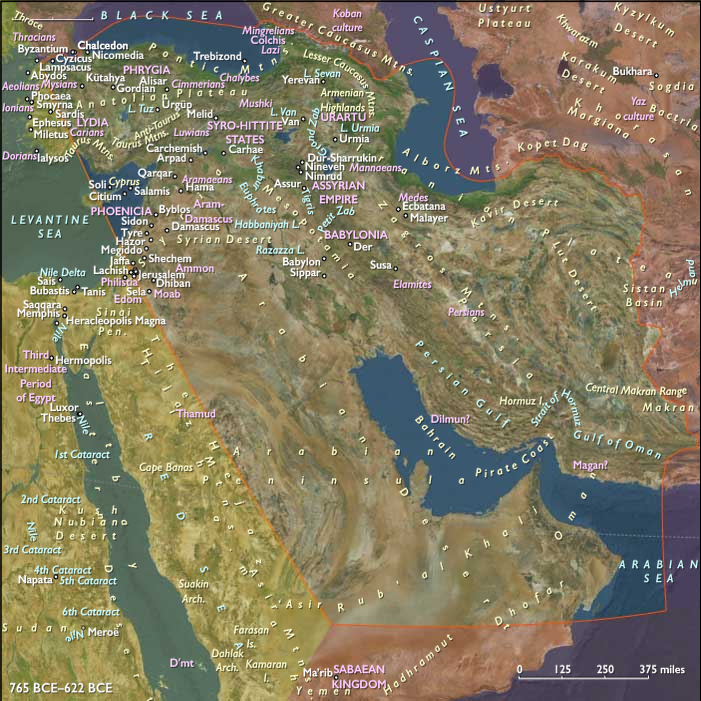
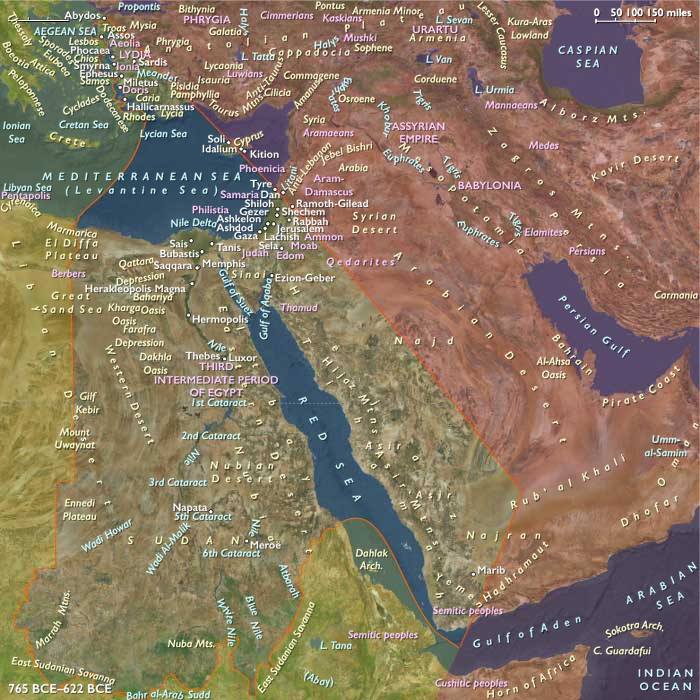
True coinage, the first in the Western world, comes into being in Lydia around 700 to deal with the extensive and complex trading culture in the Mediterranean and Middle East; the Greeks quickly adopt the concept.
Measured quantities of gold, silver, or copper, melted and cast into regular shapes, are then stamped with marks representing their value and the name or image of the ruler or state as a guarantee of value.
Herodotus states (I, 94) that the Lydians 'were the first to coin in gold and silver'.
Aristotle states that the first coins were struck by Demodike of Kyme, who had married Midas, king of Pessinus, and had by him a son named Agamemnon.
Some archaeological and literary evidences suggest that the Indians invented coinage, somewhere between the sixth and fifth centuries BCE.
However, some numismatists consider coins to have originated around 600-550 BCE in Anatolia, which corresponds to modern-day Turkey, in particular in the Anatolian kingdom of Lydia.
Opponents of the Lydia scenario point to the fact that coins of that era have been totally absent from archaeological finds in Sardis, capital of Lydia.
A coin, by definition, is an object used to facilitate commerce and exchanges.
The proponents of the Lydian Greek coins scenario admit the fact that they were likely not used in commerce or industry.
Electrum coins were not standardized in weight and are considered by opponents as badges, medals or ceremonial objects issued by priests, rather than coins (actually the oldest of them have been discovered not in Lydia, but in an ancient Greek temple of Ephesus in what is now Turkey).
The oldest coins are considered by other numismatists to be the Aegina Chelone coins which were minted around 700-550 BCE, either by the local Aegina people or by Pheidon, king of Argos (who first set the standards of weights and measures).
There is a unique electrum stater of Aegina in the Bibliothèque Nationale, Paris.
The date of this coin can hardly be much later than about 700 BCE.
The oldest Aegina Chelone coins depict sea turtles.
Groups
- Argos, City-State of
- Lydia, Kingdom of
- Greece, classical
- Aegina, city-state of
- Ephesus (Ionian Greek) city-state of
Topics
Commodoties
Subjects
Regions
Subregions
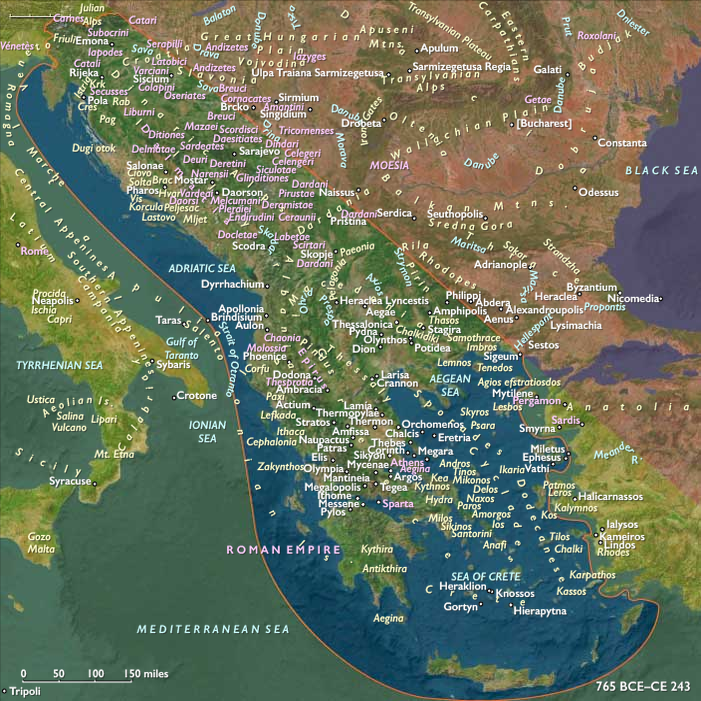
Years: 765BCE - 622BCE
Groups
- Argos, City-State of
- Lydia, Kingdom of
- Greece, classical
- Aegina, city-state of
- Ephesus (Ionian Greek) city-state of
Topics
Commodoties
Subjects
Regions
Subregions