
The Rise of the Suebi Kingdom in …
Years: 431 - 431
The Rise of the Suebi Kingdom in Hispania
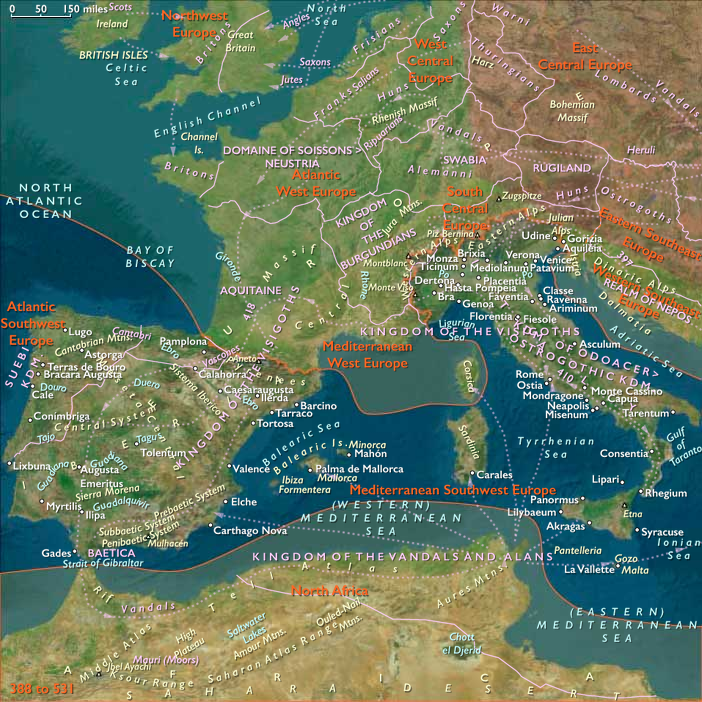
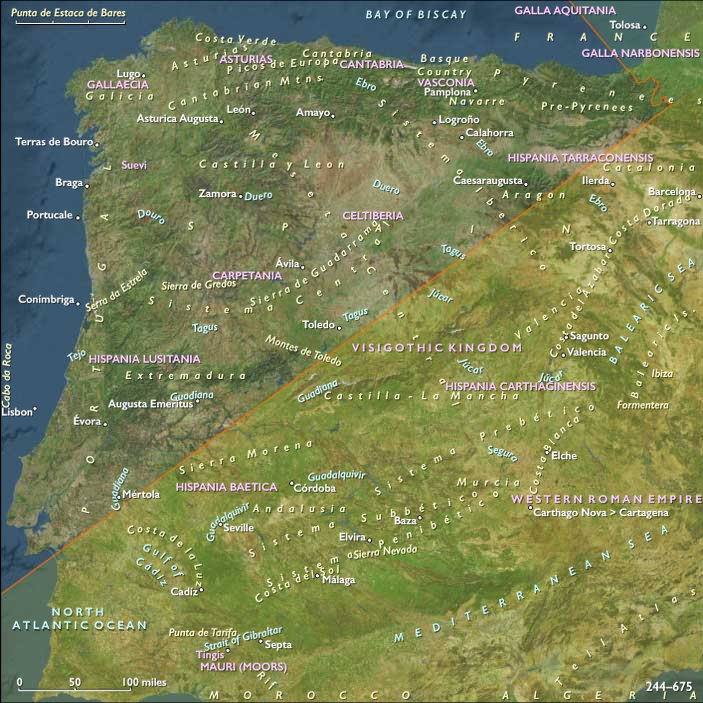
Following the departure of the Vandals for North Africa in 429 CE, the Suebi establish a powerful kingdom in Hispania, nominally federated to Rome but, in reality, operating as an independent state. Centered in Gallaecia (modern-day northwestern Spain and northern Portugal), this Suebi kingdom becomes the first post-Roman barbarian realm to emerge in the former Western Roman Empire.
Despite its official foederati status, the Suebi increasingly govern without imperial oversight, issuing their own laws, striking coinage, and expanding their influence across Lusitania and Baetica. Their independence is further solidified through their alliance with the Visigoths, led by Theodoric I, who had been settled in the Garonne region of Gaul as federates of Rome since 418.
This Suebi-Visigothic alliance strengthens both kingdoms at the expense of the Western Roman Empire, which remains too weak to assert control over its former provinces. Over the next century, tensions between the Suebi and Visigoths will fluctuate between cooperation and conflict, culminating in the Visigothic conquest of the Suebi kingdom in 585 CE, but for now, the Suebi remain a dominant force in Hispania, marking one of the earliest permanent post-Roman successor states in Western Europe.
Locations
People
Groups
- Suebi (Germanic tribe)
- Goths (East Germanic tribe)
- Spains, Diocese of the
- Roman Empire, Western (Ravenna)
- Suebic Kingdom of Galicia
- Visigothic Kingdom of Toulouse
Topics
- Middle Subatlantic Period
- Late Antiquity
- Migration Period
- Fall of the Western Roman Empire
- Vandal Raids on the Roman Empire
- Visigothic Raids on the Roman Empire, Later
Commodoties
Subjects
Regions
Subregions
Related Events
Showing 10 events out of 58926 total
Years: 431 - 431
Locations
People
Groups
- Suebi (Germanic tribe)
- Goths (East Germanic tribe)
- Spains, Diocese of the
- Roman Empire, Western (Ravenna)
- Suebic Kingdom of Galicia
- Visigothic Kingdom of Toulouse
Topics
- Middle Subatlantic Period
- Late Antiquity
- Migration Period
- Fall of the Western Roman Empire
- Vandal Raids on the Roman Empire
- Visigothic Raids on the Roman Empire, Later
Commodoties
Subjects
Regions
Subregions