The Transition from Gothic to Renaissance Fashion …
Years: 1480 - 1491
The Transition from Gothic to Renaissance Fashion in Northern Europe
By the late 15th century, Gothic dress in northern Europe began to be replaced by the simpler, more structured styles of Renaissance Italy. This shift reflected broader cultural changes, as humanist ideals influenced not only art and architecture but also fashion and personal presentation.
Key Differences Between Gothic and Renaissance Fashion
| Gothic Dress (14th–15th Century) | Renaissance Fashion (Late 15th–16th Century) |
|---|---|
| Elaborate, highly structured clothing with tight bodices and trailing sleeves | Simpler, more natural silhouettes with clean lines and tailored fits |
| Tall headdresses (e.g., hennins for women, elaborate chaperons for men) | Lower, more practical headwear, such as caps, bonnets, and berets |
| Layers of heavy fabrics (velvet, brocade, and fur) and dramatic drapery | Lighter, fitted garments inspired by Roman and Greek styles |
| Bright colors, embroidered details, and gold threadwork | More subdued, harmonious color palettes reflecting classical aesthetics |
The Influence of Italian Renaissance Fashion
- Italy, as the center of the Renaissance, dictated the trends that spread across Europe.
- The focus on human proportion and elegance influenced the shift toward more natural, form-fitting clothing.
- Fabrics such as silk, damask, and fine wool became more common, thanks to Italy’s dominance in the textile trade.
- Men’s fashion emphasized broad shoulders and shorter tunics, while women’s gowns featured square necklines and fitted bodices.
How Northern Europe Adopted Renaissance Styles
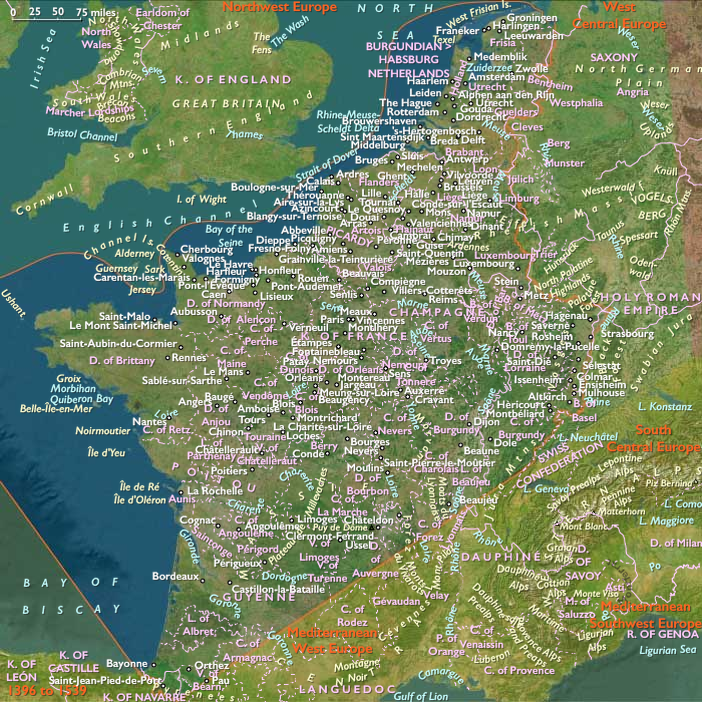
- By 1490, the Burgundian and French Gothic styles were fading, replaced by the streamlined elegance of Italian clothing.
- The courts of France and the Low Countries were early adopters of Renaissance fashion, influenced by diplomatic ties and trade with Italy.
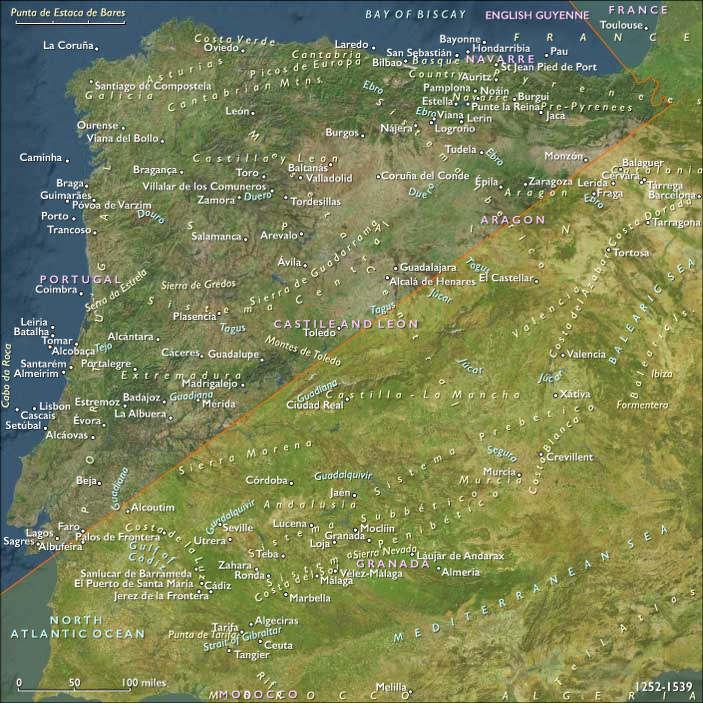
- Spanish fashion remained more conservative, incorporating Italian influences while retaining Gothic elements such as rigid corsetry and elaborate embroidery.
Legacy of the Fashion Shift
- This transition marked the beginning of modern European fashion, setting the stage for the highly decorative clothing of the 16th century.
- The influence of Renaissance Italy remained dominant in fashion for the next two centuries, shaping the styles of royal courts and upper-class society across Europe.
Thus, the decline of Gothic dress in northern Europe and the rise of Renaissance fashion reflected not just a change in clothing, but a shift in cultural ideals—from the medieval focus on grandeur to the humanist emphasis on balance and simplicity.
Related Events
Showing 10 events out of 40684 total
Years: 1480 - 1491
Subjects
Regions
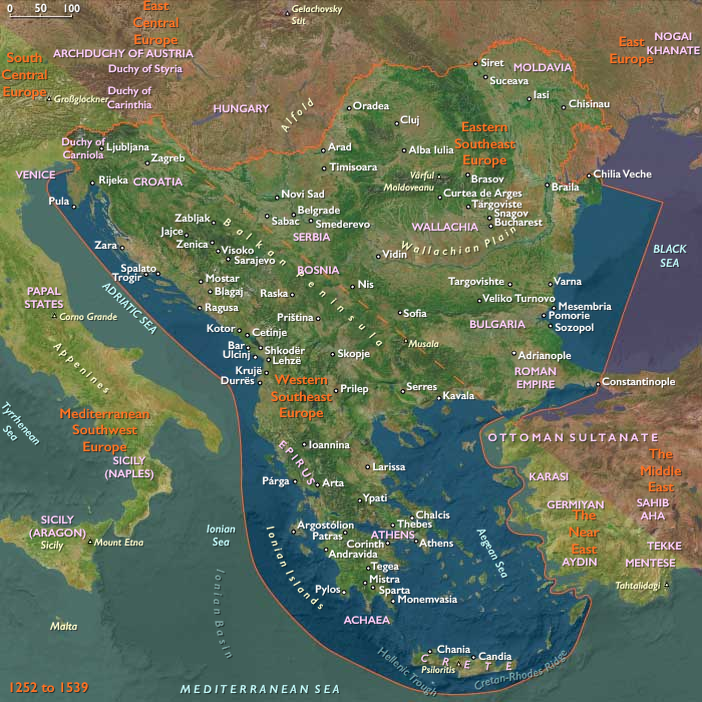

Subregions
- East Europe
- Northeast Europe
- East Central Europe
- Eastern Southeast Europe
- Western Southeast Europe
- South Central Europe
- Mediterranean West Europe
- Mediterranean Southwest Europe
- Atlantic Southwest Europe
- Atlantic West Europe
- West Central Europe
- Northwest Europe