
Filters:
Revolts in the Ottoman Empire are widespread. …
Years: 1769 - 1769
Revolts in the Ottoman Empire are widespread.
Many noble factions have risen against the sultan’s power and will proceed to break away from the Ottoman Empire.
In addition to this decentralization of the Empire the Ottomans are also faced with the revival of a unified Persia, which has risen to oppose the Turks in Iraq.
Upon the outbreak of the Russo-Turkish War the Ottomans seem to have the upper hand in the face of Russia's lethargy and the threat of financial ruin as a consequence of Russia's involvement in the Seven Years' War.
The Turkish Navy capitalizes on Russia's naval inferiority, despite employing British officers to resolve this weakness, to dominate the Black Sea, giving it the advantage of shorter supply lines.
The Ottomans are also able to levy troops from their vassal state, the Crimean Khanate, to fight the Russians, but their effectiveness is undermined by constant Russian destabilization of the area.
In the years preceding the war the Ottoman Empire had enjoyed the longest period of peace with Europe in its history (1747–1768).
Despite peace with Europe during this period the Ottoman Empire had faced internal division, rebellion and corruption compounded by the re-emergence of a unified Persian leadership, under Nader Shah.
One clear advantage for the Ottoman Empire is its superior numbers as the Ottoman army is three times the size of its Russian counterpart; however, the new Grand Vizier Mehmed Emin Pasha will prove himself to be incompetent militarily.
For a long time the Ottoman military has been considered to be more technologically advanced than Europe, however, the period of peace that preceded the war meant that the Ottomans fell behind in this regard.
Russia masses her army along the borders with Poland and the Ottoman Empire, which makes it difficult for Ottomans troops to make inroads into Russian territory.
Many noble factions have risen against the sultan’s power and will proceed to break away from the Ottoman Empire.
In addition to this decentralization of the Empire the Ottomans are also faced with the revival of a unified Persia, which has risen to oppose the Turks in Iraq.
Upon the outbreak of the Russo-Turkish War the Ottomans seem to have the upper hand in the face of Russia's lethargy and the threat of financial ruin as a consequence of Russia's involvement in the Seven Years' War.
The Turkish Navy capitalizes on Russia's naval inferiority, despite employing British officers to resolve this weakness, to dominate the Black Sea, giving it the advantage of shorter supply lines.
The Ottomans are also able to levy troops from their vassal state, the Crimean Khanate, to fight the Russians, but their effectiveness is undermined by constant Russian destabilization of the area.
In the years preceding the war the Ottoman Empire had enjoyed the longest period of peace with Europe in its history (1747–1768).
Despite peace with Europe during this period the Ottoman Empire had faced internal division, rebellion and corruption compounded by the re-emergence of a unified Persian leadership, under Nader Shah.
One clear advantage for the Ottoman Empire is its superior numbers as the Ottoman army is three times the size of its Russian counterpart; however, the new Grand Vizier Mehmed Emin Pasha will prove himself to be incompetent militarily.
For a long time the Ottoman military has been considered to be more technologically advanced than Europe, however, the period of peace that preceded the war meant that the Ottomans fell behind in this regard.
Russia masses her army along the borders with Poland and the Ottoman Empire, which makes it difficult for Ottomans troops to make inroads into Russian territory.
Locations
People
Groups
- Poles (West Slavs)
- Russians (East Slavs)
- Crimean Tatars
- Cossacks
- Crimean Khanate
- Turkish people
- Ottoman Empire
- Polish-Lithuanian Commonwealth (Commonwealth of the Two Nations)
- Britain, Kingdom of Great
- Russian Empire
- Persia, Afsharid Kingdom of
- Bar Confederation
Topics
Commodoties
Subjects
Regions
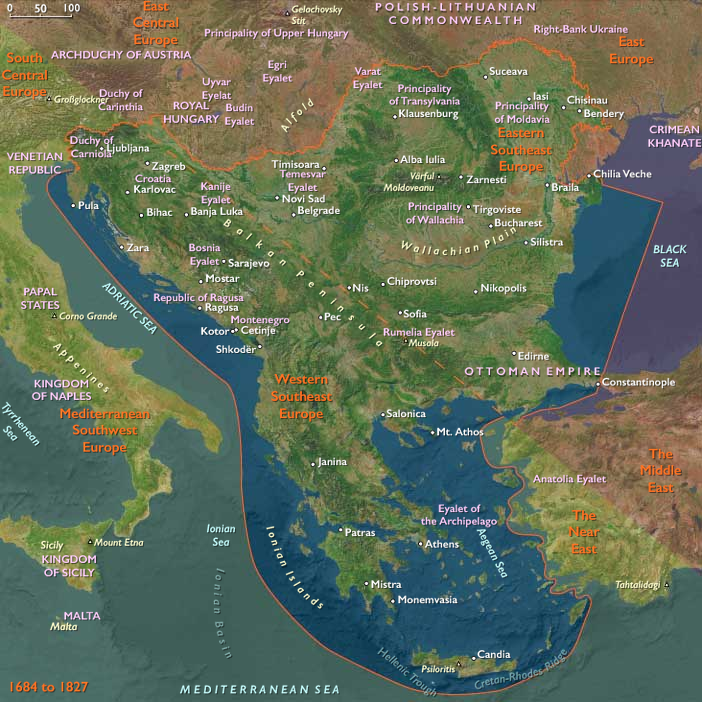
Subregions
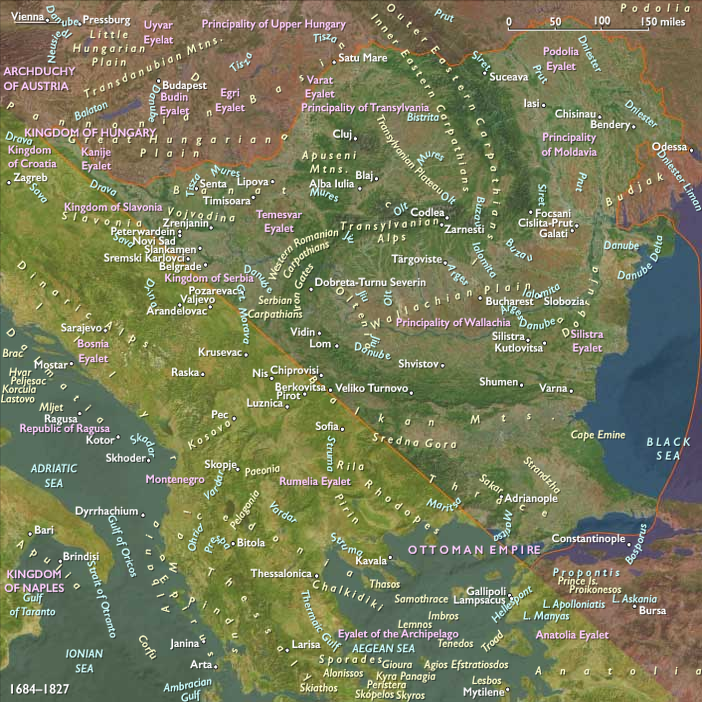
Years: 1769 - 1769
Locations
People
Groups
- Poles (West Slavs)
- Russians (East Slavs)
- Crimean Tatars
- Cossacks
- Crimean Khanate
- Turkish people
- Ottoman Empire
- Polish-Lithuanian Commonwealth (Commonwealth of the Two Nations)
- Britain, Kingdom of Great
- Russian Empire
- Persia, Afsharid Kingdom of
- Bar Confederation
Topics
Commodoties
Subjects
Regions
Subregions