
The 1163 Council of Tours and the …
Years: 1163 - 1163
The 1163 Council of Tours and the Beginnings of the Albigensian Crusade
In 1163, during the papacy of Alexander III, a Council of Tours was convened, marking an important step in the Catholic Church’s efforts to suppress the Cathar heresy in southern France. The council’s decrees increased persecution against Cathars, setting the stage for the Albigensian Crusade in the early 13th century.
Key Decisions of the Council of Tours (1163)
-
Cathars to Be Deprived of Their Goods
- The council ordered that Cathars (and other heretics) should be stripped of their property, making them more vulnerable to secular authorities.
- This policy financially incentivized northern French lords, many of whom would later join the Albigensian Crusade (1209–1229), which sought not only to suppress heresy but also to seize the lands of the Cathar-supporting nobility in Languedoc.
-
One of the First Recorded Uses of "Albigenses"
- The council is one of the earliest recorded instances where the term "Albigenses" (referring to the city of Albi in southern France) was used to describe Cathars and their supporters.
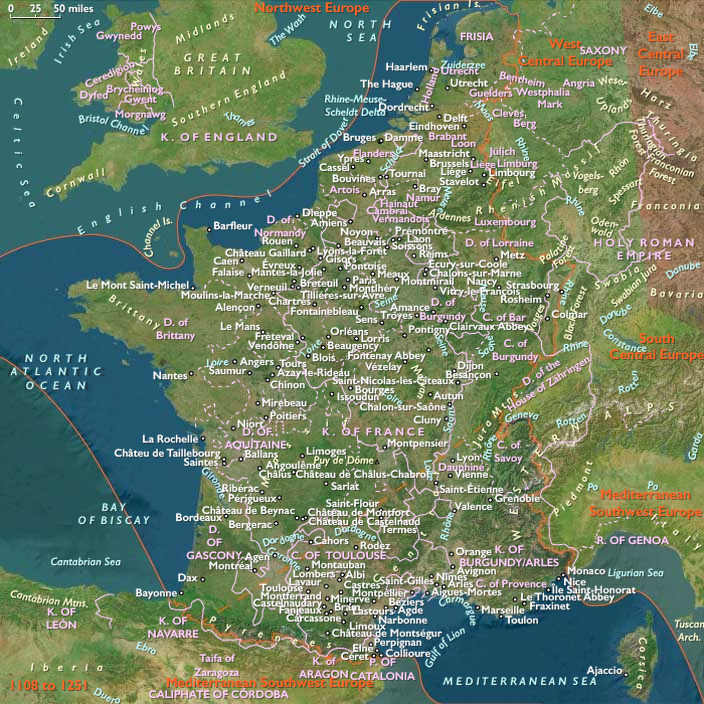
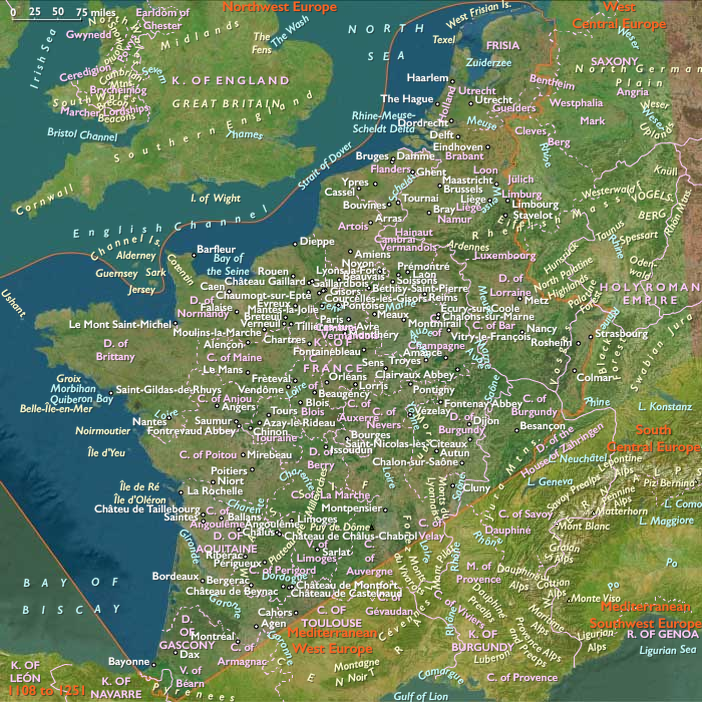
- The term later became widely used to designate Cathar communities across Languedoc, particularly in Toulouse, Carcassonne, and Montségur.
-
Strengthening the Church’s Response to Heresy
- The bishops and clergy were instructed to actively combat heresy in their dioceses.
- Local secular rulers were encouraged to enforce anti-heretical measures, deepening the alliance between the French crown and the papacy in efforts to eradicate Catharism.
Impact and Long-Term Consequences
- The 1163 Council of Tours laid the groundwork for intensified persecution of Cathars, leading to greater pressure from both Church and secular authorities.
- By ordering the confiscation of Cathar goods, the Church made heretic-hunting profitable, fueling northern French ambitions in the south.
- The council’s rulings foreshadowed later Inquisitorial actions and provided a blueprint for the eventual Albigensian Crusade (1209–1229), which would result in the destruction of Cathar strongholds and the political annexation of Languedoc by the French crown.
The Council of Tours (1163) thus marked a pivotal moment in the Church’s war against heresy, as it combined religious condemnation with material punishment, making the suppression of Catharism an increasingly violent and expansionist campaign.
Locations
People
Groups
- Papal States (Republic of St. Peter)
- Toulouse, County of
- Barcelona, County of
- France, (Capetian) Kingdom of
- Christians, Roman Catholic
- Catharism (Albigenses)
Topics
Commodoties
Subjects
Regions
Subregions
Related Events
Showing 10 events out of 48492 total
Years: 1163 - 1163
Locations
People
Groups
- Papal States (Republic of St. Peter)
- Toulouse, County of
- Barcelona, County of
- France, (Capetian) Kingdom of
- Christians, Roman Catholic
- Catharism (Albigenses)
Topics
Commodoties
Subjects
Regions
Subregions