
The sermons of Bernardino of Siena, a …
Years: 1427 - 1427
The sermons of Bernardino of Siena, a popular Franciscan who preaches against witchcraft, reveal both a phenomenon of superstitious practices and an overreaction against them by the common people.
However, it is clear that Bernardino had in mind not merely the use of spells and enchantments and such like fooleries but much more serious crimes, chiefly murder and infanticide.
This is clear from his much-quoted sermon of 1427, in which he says: "One of them told and confessed, without any pressure, that she had killed thirty children by bleeding them ... [and] she confessed more, saying she had killed her own son ... Answer me: does it really seem to you that someone who has killed twenty or thirty little children in such a way has done so well that when finally they are accused before the Signoria you should go to their aid and beg mercy for them?"
Bernardino’s legacy, both while he is alive and after his death (the first edition of his works, for the most part elaborate sermons, will be printed at Lyon in 1501), is far from benign: of fanatical moralizing temperament, he preaches fiery, intransigent sermons against many classes of people.
His sermons are riddled with ostensible anti-Semitism, misogyny, and homophobia.
He demonizes many women as "witches", and calls for homosexuals (or "sodomites" as he calls them) to be either completely isolated from society or eliminated from the human community.
He thus becomes a major exponent of what historian Robert Moore has called "the persecuting society" of late medieval Christian Europe.
Bernardino calls for Jews to be isolated from the wider communities in which they live; blaming the poverty of local Christians on Jewish usury.
His audiences often use his words to reinforce actions against Jews, and his preaching leaves a legacy of resentment on the part of Jews.
On sodomy (particularly homosexuality), he keenly points out the reputation of the Italians beyond their own borders.
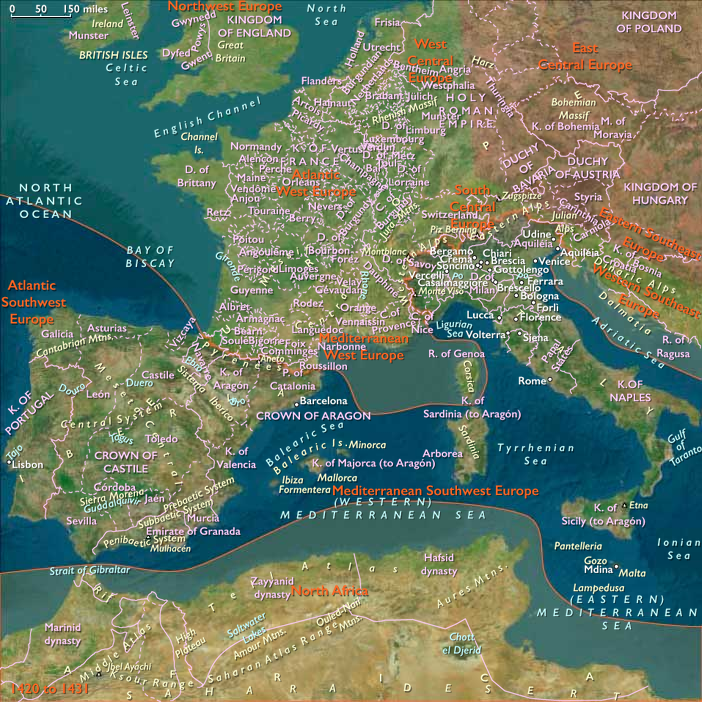
He particularly decries Florentine lenience; in Verona, he approvingly reminded listeners that a man was quartered and his limbs hung from the city gates; in Genoa, men were regularly burned; and in Venice a sodomite had been tied to a column along with a barrel of pitch and brushwood and set to fire.
He advised the people of Siena to do the same.
In 1424 he had dedicated three consecutive sermons in Florence to the subject, in the course of a Lenten sermon preached in Santa Croce, he admonished his hearers: Whenever you hear sodomy mentioned, each and every one of you spit on the ground and clean your mouth out as well.
If they don't want to change their ways by any other means, maybe they will change when they're made fools of.
Spit hard!
Maybe the water of your spit will extinguish their fire.
In Siena he had preached a full sermon against sodomy (including homosexuality) in 1425 and does so again in 1427.
Over time his teachings will help mold public sentiment and dispel indifference over controlling sodomy more vigorously.
Everything unpredictable or calamitous in human experience he attributes to sodomy, including floods and the plague, as well as linking sodomy to local population decline.
Locations
People
Groups
- Jews
- Genoa, (Most Serene) Republic of
- Christians, Roman Catholic
- Florence, Republic of
- Siena, Republic of
- Venice, (Most Serene) Republic of
- Franciscans, or Order of St. Francis
Subjects
Regions
Subregions
Years: 1427 - 1427
Locations
People
Groups
- Jews
- Genoa, (Most Serene) Republic of
- Christians, Roman Catholic
- Florence, Republic of
- Siena, Republic of
- Venice, (Most Serene) Republic of
- Franciscans, or Order of St. Francis
Subjects
Regions
Subregions