
…-28, however, the Ikhwan destroy an Iraqi …
Years: 1928 - 1928
…-28, however, the Ikhwan destroy an Iraqi force that had violated a neutral zone established by Great Britain and Ibn Sa'ud between Iraq and Arabia.
The British bomb Nejd in retaliation.
Ibn Sa'ud convenes a congress in October 1928 that deposes Ibn Humayd, Faysal ad-Dawish, and Ibn Hithlayn, the leaders of the Ikhwan revolt.
Before the year ends, ad-Dawish, Sultan ibn Bijad, and other leaders of the Ikhwan, accusing Ibn Sa'ud of betraying the cause for which they had fought and opposing the taxes levied upon their followers, resume their defiance of the king's authority.
The rebels seek to stop the centralization of power in the hands of the king and maintain the purity of Wahhabi practices against the innovations advocated by Ibn Sa'ud.
Locations
Groups
- Sa'udi State, Third
- Transjordan, Emirate of
- Iraq, Hashemite Kingdom of
- Hejaz and Nejd, Kingdom of
- Britain (United Kingdom of Great Britain and Northern Ireland)
Topics
Commodoties
Subjects
Regions
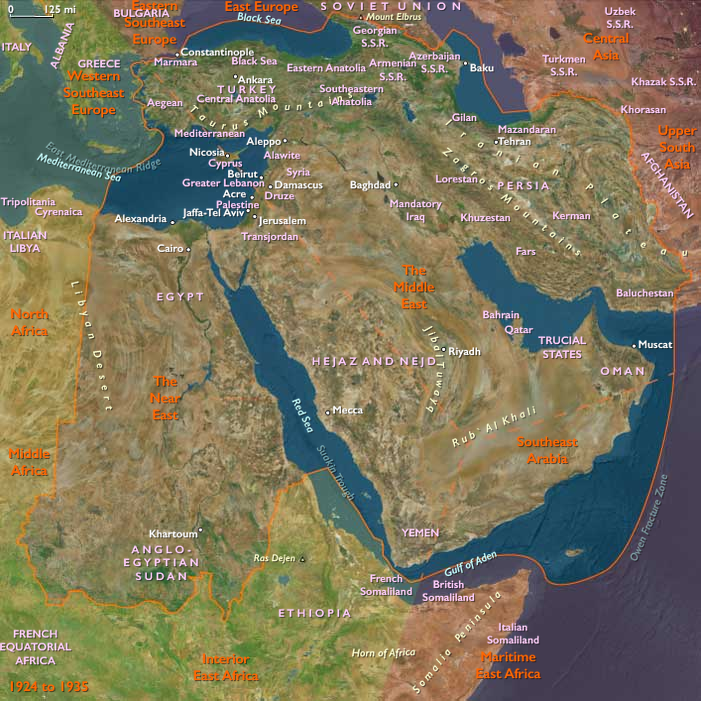
Subregions
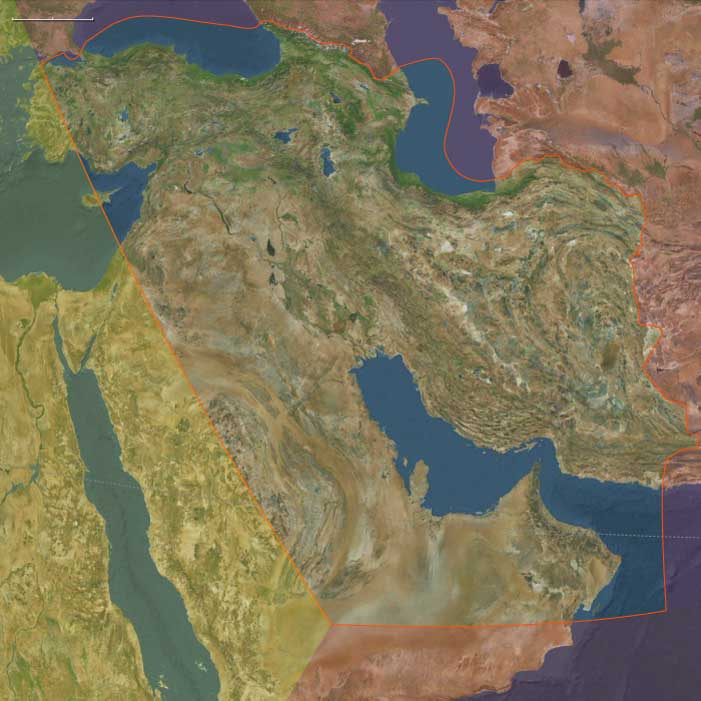
Related Events
Showing 10 events out of 6720 total
Years: 1928 - 1928
Locations
Groups
- Sa'udi State, Third
- Transjordan, Emirate of
- Iraq, Hashemite Kingdom of
- Hejaz and Nejd, Kingdom of
- Britain (United Kingdom of Great Britain and Northern Ireland)
Topics
Commodoties
Subjects
Regions
Subregions